


More news on this day
Cyclone Vaianu has swept across New Zealand’s North Island with destructive winds, torrential rain and dangerous seas, causing widespread transport disruption and throwing tourism and coastal travel plans into disarray at the peak of the autumn holiday period.
Get the latest news straight to your inbox!
Flights, Ferries and Roads Severely Disrupted
Publicly available information shows that Cyclone Vaianu crossed the North Island on Sunday, 12 April 2026, bringing gusts reported at more than 120 kilometers per hour in exposed coastal areas and triggering heavy rain bands that lingered over key population and tourism hubs. Airlines trimmed schedules in advance, but as conditions deteriorated many services were delayed, diverted or canceled entirely, leaving travelers stranded in airports from Auckland to Wellington.
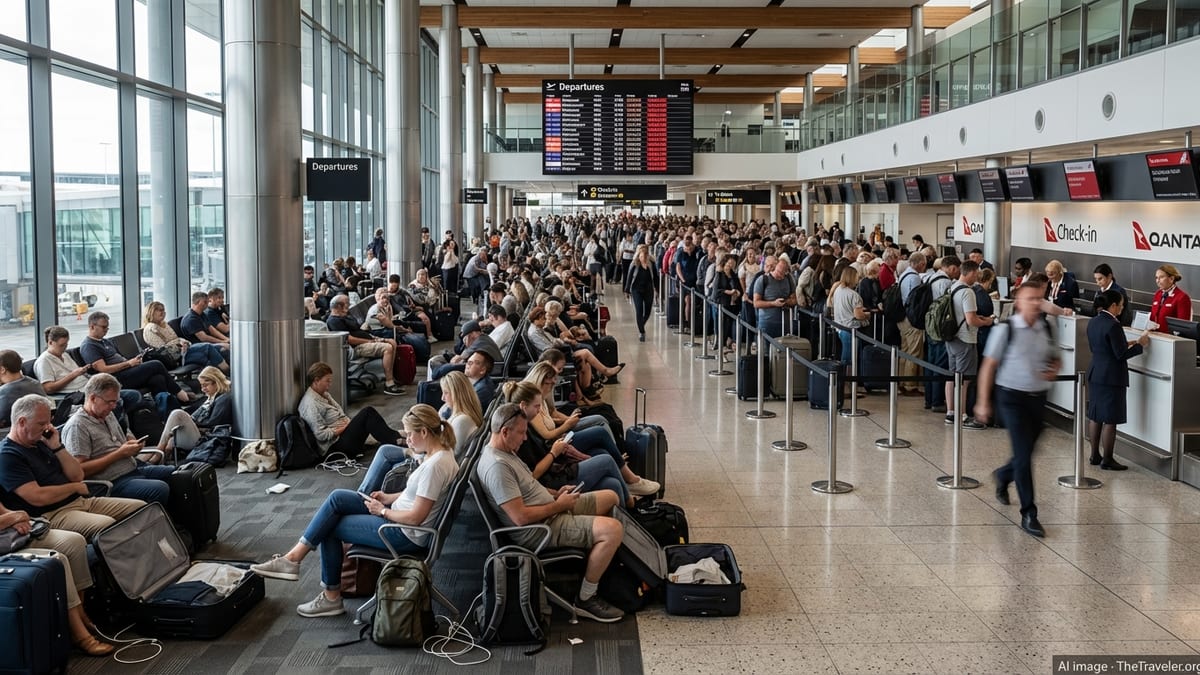
Domestic air links into smaller North Island destinations were particularly affected, with regional carriers suspending some routes as crosswinds exceeded safe operating thresholds. Passengers reported long queues at rebooking counters and crowded terminal areas as rolling disruptions extended into Monday, complicating onward connections to the South Island and international departures.
On the ground, the cyclone’s strong winds and saturated soils led to slips, fallen trees and localized flooding that forced highway authorities to close or restrict several key state highways. Updates from New Zealand’s transport agencies indicate that sections of the Coromandel loop, parts of the coastal highway network and access roads to popular beach settlements experienced full closures or convoys under traffic control while debris was cleared.
Inter-island and local ferry operations also faced significant disruption as large swells and storm surge hammered exposed harbors. Services on some North Island coastal routes were suspended during the height of the storm, affecting both residents and visitors relying on ferries for access to islands and remote peninsulas.
Tourism Hotspots Cut Off or Operating on Reduced Capacity
The combination of wind damage, heavy rain and marine hazards has created acute challenges for tourism operators across several regions of the North Island. Coastal destinations in the Bay of Plenty, Coromandel Peninsula and Northland experienced beach closures, access restrictions and, in some cases, power outages that forced accommodations and attractions to scale back or temporarily halt operations.
Local council updates for popular seaside areas such as Tauranga and Mount Maunganui describe hazardous surf conditions, coastal inundation and erosion along promenades and walking tracks. Access to offshore attractions, including small islands connected by causeways, has been restricted amid concerns about high seas and the risk of rogue waves sweeping over exposed paths.
In Hawke’s Bay and Gisborne, regions that have become highly sensitive to storm impacts after previous severe weather events, precautionary measures included closing some coastal reserves and low-lying campground areas. Although the cyclone’s center tracked slightly further offshore than initially feared for parts of the east coast, saturated ground and high rivers still prompted warnings against nonessential travel into hill country and along vulnerable river valleys.
Further inland, tourism towns that serve as gateways to hiking trails, geothermal attractions and adventure activities have largely escaped direct coastal flooding but still faced disruptions from power cuts, blocked back roads and the knock-on effect of canceled transport links. Many operators have turned to social media and booking platforms to advise clients of altered operating hours, postponed tours and flexible rebooking options.
Power Failures, Coastal Hazards and Safety Concerns for Travelers
Energy network data compiled over the weekend indicates that tens of thousands of properties across the North Island lost power at some point between 11 and 13 April as Vaianu ripped down lines and toppled poles. While crews worked through challenging conditions to restore supply, some rural and coastal communities remained without electricity into Monday, affecting everything from hotel heating and hot water to traffic signals and fuel pumps.
For travelers in campervans, holiday parks or remote rentals, the combination of outages, sodden campgrounds and blocked access roads created particular difficulties. Travel forums and local community channels carried reports of visitors seeking alternative accommodation inland or closer to main highways as forecasts warned of further bands of heavy rain and lingering strong winds in exposed areas.
Along the coast, Vaianu generated large swells, high sea levels and storm surge that pounded beaches and low-lying waterfronts. Coastal walking tracks, boat ramps and scenic lookouts were closed in several districts as authorities highlighted the risk of wave overtopping, rapidly eroding dunes and debris tossed onto roads and car parks. Public advisories have urged people to stay clear of sea walls and river mouths until swells subside.
While no large-scale evacuations of major tourist centres have been reported in the latest updates, short-notice evacuations and self-evacuations occurred in some flood-prone settlements and coastal communities. For visitors unfamiliar with local geography, changing warnings and shifting forecast tracks have underscored the importance of monitoring official channels and accommodation providers for real-time guidance.
Events Canceled and Visitor Itineraries Upended
The timing of Cyclone Vaianu has proved especially disruptive for the events calendar across the North Island. Weekend motorsport, outdoor concerts, community festivals and sports fixtures either proceeded under modified conditions, were played behind reduced crowds or were canceled outright as ground conditions deteriorated and safety risks mounted.
In Taupō, a major motorsport event that had drawn domestic and overseas spectators saw Sunday racing abandoned as the cyclone’s rain and wind intensified over the central North Island. Public statements from organizers and local stakeholders describe a steep drop in crowd numbers compared with expectations, with many visitors unable or unwilling to travel given the severe weather and road warnings.
Smaller regional events, including food and wine festivals, markets and coastal sports competitions, also faced last-minute cancellations. For local tourism businesses that rely on event-driven spikes in accommodation and hospitality spending, the lost weekend trade is likely to be significant, adding to the financial pressure already created by previous years of weather-related disruption.
Individual travelers have taken to online platforms to document abrupt changes of plan, from cut-short road trips and missed island excursions to extended, unplanned extra nights in inland cities while waiting for roads and flights to reopen. Travel advisors and booking services are reporting heightened interest in flexible tickets, comprehensive travel insurance and itineraries that build in extra buffer days for weather-related delays.
Recovery Efforts Underway as Travelers Weigh Next Steps
As Vaianu tracks away from the North Island, attention is shifting rapidly from immediate response to the clean-up and recovery phase. Road crews are working to clear slips, remove fallen trees and inspect bridges, while utility companies prioritize restoring power to remaining outage pockets. Tourism bodies are beginning to assess damage to coastal infrastructure, walking tracks and visitor facilities in order to plan repairs ahead of the winter season.
Transport agencies caution that even as main state highways reopen, travelers should expect residual delays from temporary speed restrictions, one-way traffic controls and detours around damaged sections. Some lesser-used scenic routes and coastal byways may remain closed for a longer period while engineers complete safety assessments.
Travel industry commentary suggests that most domestic and international visitors already in New Zealand are opting to adapt rather than abandon their trips, diverting to less-affected regions or swapping coastal excursions for urban and cultural experiences. However, there is an expectation that short-notice bookings into some North Island beach destinations will soften over the coming weeks as images of damaged shorelines and stormy seas circulate globally.
For future visitors, Vaianu is likely to reinforce an emerging pattern in New Zealand travel planning, with greater emphasis on flexible itineraries, season-aware scheduling and close attention to real-time weather information. As the clean-up continues, tourism operators across the North Island are working to reassure travelers that, despite the disruption and damage, the country remains open for business, even as it adapts to increasingly volatile storm seasons.