


More news on this day
Passengers traveling through Cleveland Hopkins International Airport on May 20 faced mounting disruption as publicly available tracking data showed 25 delayed flights and seven cancellations, affecting services operated by SkyWest, Envoy Air, American Airlines and several other carriers on key routes to Chicago, Nashville, Baltimore and New York.
Get the latest news straight to your inbox!
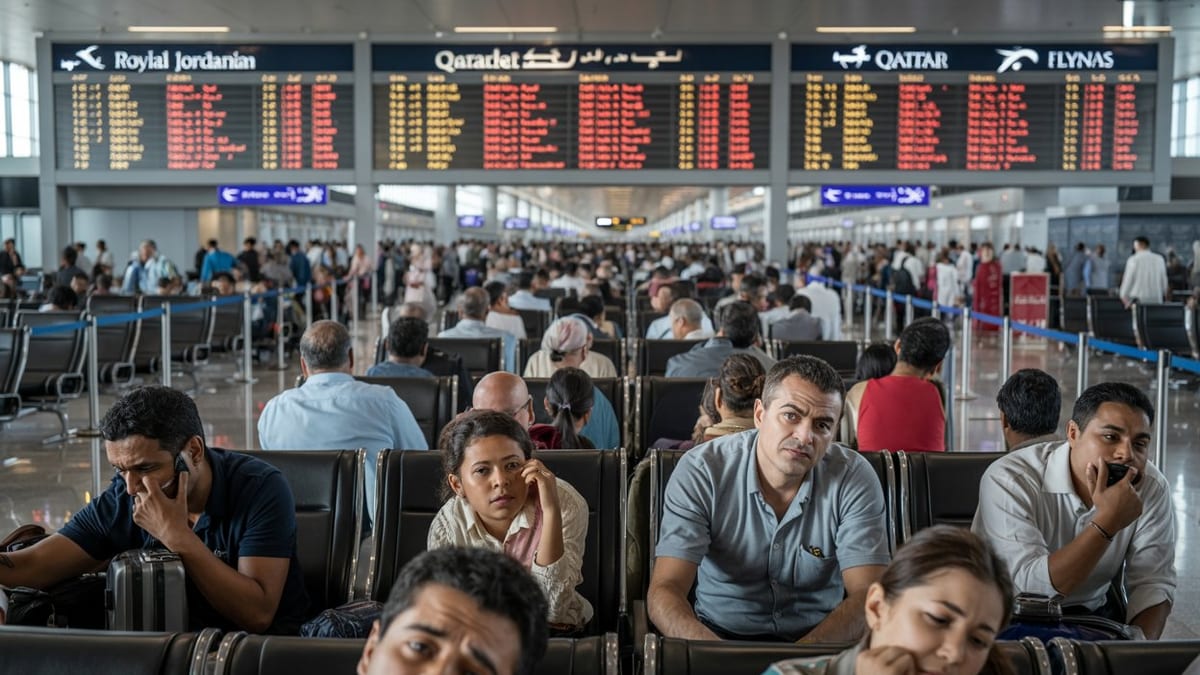
Regional Affiliates Hit Alongside Major Carriers
Data from real time flight tracking platforms on May 20 indicate that the bulk of the disruption at Cleveland Hopkins involved a mix of regional affiliates flying under major airline brands and mainline operations. SkyWest and Envoy Air, which operate many routes as American Eagle and on behalf of other large U.S. airlines, appeared among the carriers most exposed to schedule changes, alongside American Airlines services marketed directly under the American banner.
Publicly available schedules show that these regional operators handle a significant share of short haul links between Cleveland and hub cities such as Chicago and New York. When delays accumulate on earlier rotations, later departures can quickly be pushed back or cancelled, narrowing options for travelers trying to connect onward. On May 20, the 25 delays recorded at Cleveland Hopkins reflected this cascading effect across multiple brands and flight numbers.
Published operational statistics from the U.S. Department of Transportation describe SkyWest and Envoy as among the larger regional providers in the domestic market, supporting several major carriers on dense business and leisure corridors. Industry observers note that this structure can intensify the impact of even a modest number of disrupted flights, because aircraft and crews are shared across brands and networks that stretch well beyond a single airport.
American Airlines, which relies heavily on regional partners for shorter segments in the Midwest and along the East Coast, also appeared in Cleveland’s disruption tally for the day. The combination of mainline and regional issues meant that passengers were affected across a spectrum of ticket types and itineraries, from point to point journeys to complex multi leg connections.
Key Links to Chicago, Nashville, Baltimore and New York Disrupted
The 25 delays and seven cancellations at Cleveland Hopkins had an outsized impact because they were concentrated on routes that serve as vital links to other major hubs. Flight status feeds on May 20 showed service interruptions on connections from Cleveland to Chicago area airports, an increasingly busy corridor for both business travel and connections to the western United States.
Additional disruption was reported on flights to Nashville, Baltimore and New York area airports, cities that act as gateways to the Southeast, Mid Atlantic and Northeast. When departures to these markets are pushed back or cancelled, travelers often lose access to onward connections spanning domestic and international destinations, lengthening total journey times or forcing overnight stays.
For Chicago and New York bound passengers, the interference at Cleveland Hopkins came against a backdrop of broader strain in those regions. Separate tracking and consumer reports in recent weeks have highlighted recurring weather and air traffic constraints at Chicago and New York airports, which can narrow schedule flexibility and leave relatively little slack to absorb upstream delays from cities like Cleveland.
In practical terms, a missed evening departure from Cleveland to Chicago, Baltimore or New York can mean the last viable connection of the day for travelers heading onward to smaller markets. With several flights in these directions either delayed or cancelled on May 20, passengers faced a heightened risk of missed connections and extended time in terminals.
Weather, Airspace Constraints and Network Knock On Effects
While a detailed breakdown of causes for each affected flight at Cleveland Hopkins on May 20 was not immediately available, broader data sets from the Federal Aviation Administration and recent industry coverage point to a combination of weather related constraints and airspace management measures across the eastern United States. National Airspace System advisories in the same time frame referenced potential ground delay programs and flow restrictions at several major airports, particularly in New York and parts of the South.
These types of traffic management initiatives, which can include ground stops, reduced arrival rates or rerouting around storm cells, tend to ripple quickly through hub and spoke networks. Flights into congested or weather impacted hubs may be held at their origins or slowed en route, increasing the likelihood that aircraft and crews arrive late for subsequent segments. In a tightly scheduled regional operation, even modest delays can trigger missed crew duty windows or maintenance checks, prompting cancellations.
Analyses of past disruption events by consumer advocates and aviation data firms have also highlighted the role of staffing levels and aircraft availability. Regional operators such as SkyWest and Envoy typically work within narrow fleet margins, meaning that the temporary loss of a single aircraft due to a maintenance issue or weather diversion can prove difficult to absorb. On days when airspace constraints and storm systems overlap, that vulnerability becomes more apparent to travelers on the ground.
For Cleveland Hopkins specifically, its position as both an origin and a connecting point in several carrier networks means that disruptions can have effects in both directions. Aircraft arriving late from Chicago, Nashville, Baltimore or New York can force schedule adjustments on departures out of Cleveland, while delayed flights leaving Ohio may in turn contribute to evening congestion in already stressed airspace corridors.
Impact on Passengers at Cleveland Hopkins
For passengers, the numerical tally of 25 delays and seven cancellations translated into longer waits at gates, missed connections and in some cases the need to rebook for another day. Travel forums and social media posts in recent months have repeatedly described similar experiences across the U.S. network, as travelers navigate rolling delays tied to weather, congestion and airline scheduling choices.
Consumer resources stress the importance of monitoring flight status frequently on days when disruption is widespread. Because many of the services affected at Cleveland Hopkins are operated by regional affiliates on behalf of larger airlines, flight numbers and branding can vary between booking confirmations, airport displays and mobile applications. Travelers are often advised to track their flights using both the marketing carrier and the operating airline to catch early signs of schedule changes.
When cancellations occur, rebooking options can be limited, particularly on routes where only a few daily frequencies connect Cleveland to hub cities. Publicly available guidance from airlines and advocacy organizations emphasizes that passengers whose flights are significantly delayed or cancelled may be eligible for alternative transportation, refunds or other forms of support, depending on the cause of the disruption and the carrier’s policies.
At Cleveland Hopkins, where many affected routes on May 20 were short haul segments under two hours, travelers facing missed connections sometimes opted to explore ground transport or overnight stays to bridge the gap created by the disrupted schedule. For those with time sensitive commitments in Chicago, Nashville, Baltimore or New York, even relatively short flight delays could have substantial knock on effects.
What the Disruption Signals for the Summer Travel Season
The interference at Cleveland Hopkins on May 20 fits into a broader pattern of volatility that has characterized U.S. air travel in recent months. Industry reports tracking nationwide disruptions this spring describe repeated waves of delays linked to severe weather systems, coupled with structural pressures related to staffing, aircraft utilization and high demand for leisure travel.
Aviation analysts have noted that regional carriers such as SkyWest and Envoy are likely to remain central to domestic connectivity throughout the busy summer period, especially on routes linking mid sized cities to larger hubs. As a result, any operational strains affecting these airlines, or the major carriers that rely on them, may translate quickly into visible problems at airports like Cleveland Hopkins.
Travel planning guidance from consumer groups encourages passengers to build additional buffer time into itineraries, particularly when connecting through congestion prone hubs or relying on evening departures. Choosing earlier flights in the day, avoiding tight connections and keeping flexible backup options in mind are among the strategies frequently recommended to reduce the risk of being stranded by a late running regional segment.
For now, the episode at Cleveland Hopkins underscores how even a relatively modest number of delays and cancellations concentrated on key spokes of the network can disrupt travel for a wide range of passengers. With peak summer schedules approaching, travelers using the airport as a gateway to Chicago, Nashville, Baltimore and New York may face more days where close attention to flight status and contingency planning becomes essential.