


More news on this day
Malaysia’s aviation regulator is urging travellers to monitor their flight status closely and stay alert to schedule changes as airspace closures, system outages and airport disruptions continue to unsettle global travel during a busy holiday period.
Get the latest news straight to your inbox!
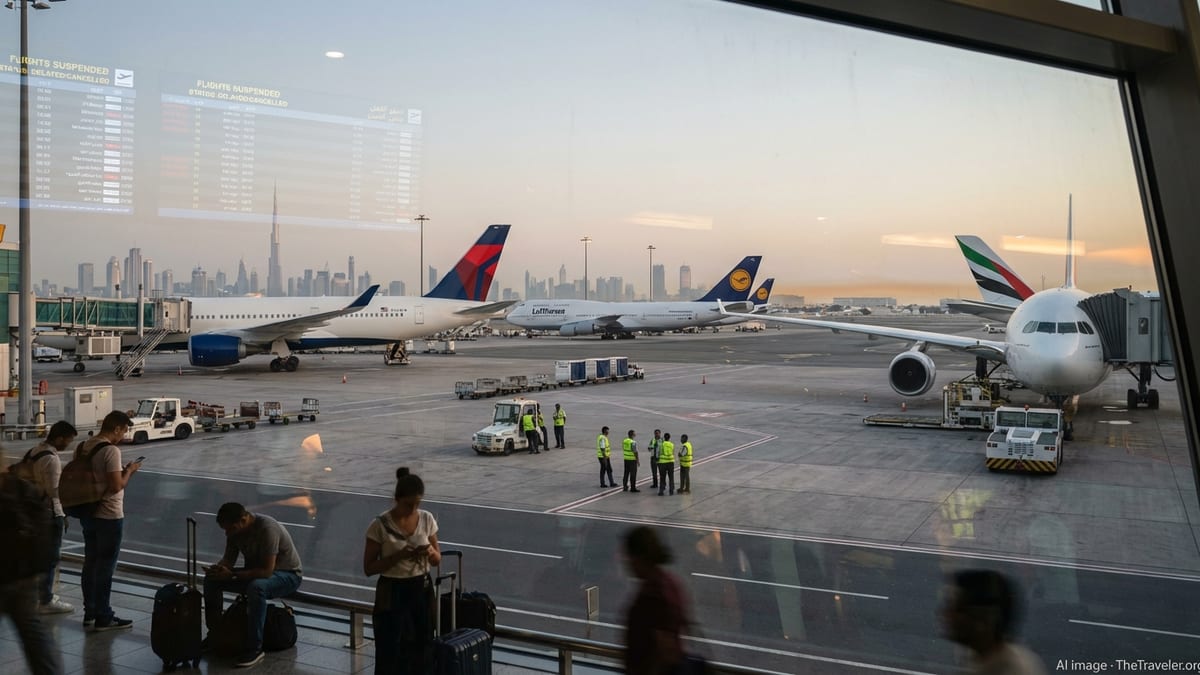
Middle East airspace closures ripple through Malaysian travel plans
Publicly available travel advisories from the Civil Aviation Authority of Malaysia highlight that recent airspace closures in parts of the Middle East have created operational challenges for airlines serving routes to and from the region. The restrictions have triggered delays, retimed services, rerouting and cancellations on some long haul connections that typically rely on Middle Eastern hubs.
In a travel advisory dated 1 March 2026, the regulator noted that evolving airspace conditions could continue to affect certain international services, particularly for passengers transiting through major hubs that sit along contested corridors. Airlines have been adjusting routings and flight times to comply with safety requirements, often at short notice.
Coverage from Malaysian outlets indicates that Malaysia Airports Holdings and individual carriers have issued parallel notices urging passengers heading to or through the Middle East to verify departure times before leaving for the airport. Travellers are being encouraged to use airline apps and official communication channels to keep track of any last minute changes that may not be immediately visible on older itineraries or third party booking sites.
The situation has added uncertainty for Malaysians travelling for work, education, religious pilgrimages and family visits, many of whom rely on Middle Eastern hubs for onward connections to Europe, Africa and North America. With school holidays and religious travel pushing up demand, even modest schedule shifts can cascade into missed connections and unplanned overnight stays.
Airport system glitches and baggage issues show broader vulnerability
Recent disruptions at Malaysian airports underline how global aviation pressures intersect with local operational risks. In April 2026, a temporary breakdown in the baggage handling system at Kuala Lumpur International Airport Terminal 1 led to significant luggage delays, prompting the aviation authority to enforce quality of service standards on the airport operator.
According to publicly released documents, operations at the terminal later stabilised, but regulators stressed the obligation of airport and airline operators to handle baggage in a timely and efficient manner and to keep passengers informed. The incident followed earlier international reports of global passenger processing system disruptions that affected check in and boarding at airports around the world, including in Malaysia, and resulted in temporary queues and schedule adjustments.
Industry reports suggest that interconnected IT systems, from check in platforms to baggage sorters, are under increasing strain as travel demand rebounds and airlines operate tight schedules. When any component fails, the knock on effects can quickly be felt across multiple flights and even across borders, leaving passengers facing delays without immediate clarity on revised departure times.
These episodes have strengthened the push from regulators for airlines and airport operators to adopt more resilient backup procedures and clearer communication practices. For travellers, they reinforce the message that monitoring flight status throughout the journey is now an essential part of planning, rather than a last minute check on the way to the airport.
Consumer rights and responsibilities in a period of disruption
Malaysia’s aviation framework gives passengers certain protections when flights are disrupted, but it also places responsibilities on travellers to stay contactable and informed. Publicly available guidance linked to the Malaysian Aviation Consumer Protection Code outlines how airlines are expected to notify passengers of delays, cancellations, rerouting or significant schedule changes.
Regulatory advisories emphasise that passengers should ensure their contact details in booking records are accurate and up to date, so they can receive emails, text messages or app notifications about any changes. This is particularly important for travellers who booked through third party agents or online platforms, where outdated contact information can lead to missed alerts and longer waits at the airport.
Guidance published in connection with the Middle East airspace disruptions specifically encourages passengers to check their flight status directly with airlines before departing for the airport and to review official travel advisories issued by Malaysian authorities and foreign ministries. Travellers are also reminded that different jurisdictions apply varying compensation and care rules, especially on international itineraries that cross multiple regulatory regimes.
Consumer reports released by the aviation authority indicate that common complaints relate to delayed or insufficient notification of schedule changes and confusion over hotel or meal eligibility during long disruptions. Observers note that a more proactive approach by passengers, combined with clearer communication by airlines and airports, can help reduce some of the stress associated with last minute disruption.
Holiday rush heightens pressure on airlines and airports
The latest advisories arrive as Malaysia’s aviation system prepares for heightened demand tied to school breaks, long weekends and religious holidays, which often see a surge in domestic and international travel. Transport policy updates in early May 2026 show that the government has introduced targeted support measures, including ticket rebate schemes on domestic routes, in an effort to keep air travel accessible during a period of geopolitical uncertainty and higher operating costs.
Analysts point out that while such measures help sustain capacity on crucial routes connecting Peninsular Malaysia with Sabah, Sarawak and Labuan, they also contribute to busier terminals and fuller flights. In this environment, even small schedule changes related to overseas airspace restrictions or technical issues can have an outsized impact on travellers’ plans.
Operational data highlighted by the aviation authority show that Kuala Lumpur International Airport remains among the busiest hubs in Southeast Asia, handling a growing number of regional and long haul services. This high utilisation reflects Malaysia’s role as a transit point but also means there is limited room to absorb cascading delays when upstream disruptions occur.
Travel specialists observing recent trends suggest that passengers build extra buffer time into connections, particularly where journeys rely on long haul flights that traverse politically sensitive regions. Booking earlier flights on the same day, or allowing longer transits through major hubs, can help limit the risk of misconnecting when schedules shift late in the travel window.
Practical steps for Malaysians planning upcoming trips
In light of the current environment, publicly available advisories converge on several practical steps for Malaysian travellers. Before departure, passengers are encouraged to reconfirm flight status on the airline’s official channels, verify terminal and gate information and download carrier apps or enable notifications where possible.
During the journey, keeping boarding passes, booking references and identification easily accessible can speed up rebooking processes if flights are retimed or cancelled. Travellers connecting through multiple airports are advised to monitor each leg separately, as a delay on one sector may not automatically trigger alerts for onward connections booked on separate tickets.
Observers also recommend that travellers familiarise themselves with the key elements of the Malaysian Aviation Consumer Protection Code and any additional policies applied by foreign carriers or overseas airports on their itinerary. Understanding entitlement to care, such as meals, accommodation or rebooking options, can help passengers make informed decisions when faced with long waits or unexpected overnights.
As global aviation continues to navigate airspace closures, fluctuating demand and technological vulnerabilities, Malaysian regulators, airlines and airport operators are seeking to balance safety, reliability and passenger convenience. For individual travellers, staying informed and responsive to changing flight information has become central to managing the risks of disruption during peak travel periods.