


More news on this day
Travelers at Madison’s Dane County Regional Airport faced a difficult day on June 12 as a cluster of delays and cancellations on United and its regional partners disrupted flights to major hubs including Chicago, Philadelphia, Newark and New York.
Get the latest news straight to your inbox!
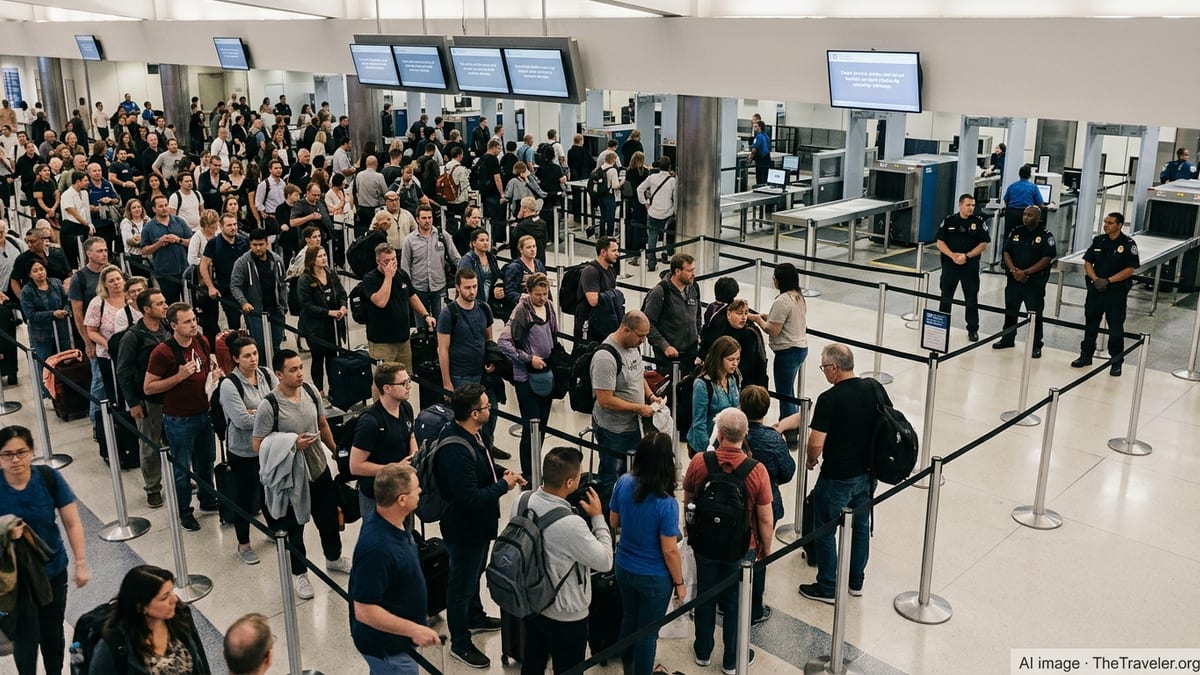
Operational Disruptions Hit Key Midwest and East Coast Links
Publicly available flight tracking and airport status boards on June 12 indicated that a total of 14 services were delayed and eight were cancelled at Dane County Regional Airport, affecting a mix of mainline United flights and regional operations flown by partners such as Republic Airways and PSA Airlines. The disruptions focused heavily on high‑demand routes linking Madison with Chicago O’Hare, Philadelphia, Newark and New York area airports, which serve as vital connection points for travelers across the United States and beyond.
The pattern of irregular operations showed several departures from Madison to Chicago and onward East Coast hubs posting rolling departure time changes, along with a handful of same‑day cancellations. Arrivals into Madison from those hubs were similarly affected, resulting in aircraft and crew being out of position for subsequent legs. For travelers flying from Madison to destinations that require connections through these larger hubs, even short delays quickly translated into missed onward flights and unplanned overnight stays.
Regional carriers such as Republic Airways and PSA Airlines operate many of the shorter routes from Madison under major airline brands, particularly as United Express and American Eagle. When schedules tighten or weather and air traffic constraints emerge at large hubs, industry data and prior operational patterns show that these regional segments are often among the first to be delayed or removed from the schedule, which magnifies the impact on smaller markets like Madison.
While the disruptions were concentrated in a single operational day, their effects rippled through evening and early‑morning schedules, as aircraft rotations and crew duty limits constrained how quickly normal operations could resume. Some services were able to depart after extended gate holds, but others ultimately shifted from delayed to cancelled as the operating window narrowed.
Weather, Airspace Constraints and Hub Congestion Combine
Flight information platforms and air traffic status pages for Chicago O’Hare, Newark and New York area airports on June 11 and June 12 showed elevated levels of delays, primarily attributed to thunderstorms, convective weather systems and resulting air traffic management initiatives. When departure and arrival rates are reduced at major hubs, airlines must rapidly rework schedules, often prioritizing longer‑haul and international routes and trimming shorter regional segments.
In this context, the Madison disruptions appear closely linked to congestion and weather‑related slowdowns at the larger hubs. Ground delay programs and flow restrictions at Newark and Chicago O’Hare, for example, can quickly cascade down to regional spokes when aircraft scheduled to operate a Madison roundtrip are held on the ground or diverted elsewhere. With limited spare capacity in regional fleets and tight turn times, a single prolonged delay can force the cancellation of subsequent flights.
Industry analysts frequently note that regional flights into constrained hubs are particularly vulnerable on days with storm activity, low ceilings or heavy traffic. When airlines and air traffic managers must decide which services to protect, shorter domestic legs to smaller markets often become candidates for early cancellation to make room for higher‑volume or long‑haul operations. The June 12 pattern at Dane County Regional Airport, with multiple regional operators affected, closely mirrors this broader trend.
Compounding factors may include ongoing air traffic staffing challenges and construction or maintenance work at some hub airports, which can limit usable runways or taxiways and further reduce capacity during peak periods. Even when conditions improve later in the day, the backlog of delayed departures and arrivals can keep operations out of sync well into the evening.
Impact on Madison Travelers and Regional Connectivity
For passengers departing Madison, the wave of delays and cancellations meant longer time in terminals, rebooking on later flights, and in some cases being rerouted through alternative hubs. Travelers aiming for business meetings, family events or connections to international flights in Chicago, Philadelphia, Newark or New York faced particular uncertainty as departure times shifted and seat availability tightened on remaining services.
Madison’s Dane County Regional Airport serves as a crucial access point for southern Wisconsin, with many itineraries relying on smooth connections through a small number of large hubs. When several of those hubs experience concurrent delays, options to reroute are limited. Seats on unaffected flights quickly sell out, and same‑day alternatives can require circuitous routings or overnight stays in hub cities.
The operational challenges also affect inbound connectivity to Madison. Cancellations of evening arrivals from hubs such as Chicago or Newark can leave travelers stranded mid‑journey or forced to complete the final leg by ground transport. For those returning home to Madison, the disruption may involve unexpected hotel stays near hub airports or lengthy waits in customer service queues to secure new itineraries.
Local tourism and business travel can feel the knock‑on effects when a single day’s disruption interrupts conferences, campus visits or regional events. While Dane County Regional Airport generally records strong on‑time performance compared with many larger facilities, clusters of delays such as those on June 12 underscore the airport’s dependence on the operational health of its primary connecting hubs.
Airlines and Passengers Adjust to a Volatile Summer Travel Pattern
The Madison disruptions come as U.S. airlines and airports prepare for another busy summer travel period with demand near or above pre‑pandemic levels. Industry reporting points to a mix of robust passenger volumes, evolving weather patterns and continuing air traffic control staffing constraints as factors that can intensify the impact of storms or other localized issues on network reliability.
Carriers including United and its regional partners have emphasized schedule adjustments, fleet optimization and additional staffing in recent seasons in an effort to reduce large‑scale meltdowns. However, even with these measures, clusters of delays and cancellations on days with significant weather or airspace programs remain a recurring feature of peak travel months, particularly at capacity‑constrained hubs.
For travelers using Madison as their departure point, publicly available guidance from airlines and travel organizations suggests several strategies to navigate this environment. These include booking earlier nonstop flights when possible, allowing longer connection times at busy hubs, monitoring flight status frequently on day of travel, and considering alternate routings that avoid airports with a history of chronic delays during stormy periods.
The events of June 12 at Dane County Regional Airport highlight the degree to which even a modest number of disrupted flights can significantly affect a regional market when they are concentrated on key hub routes. As summer progresses, passengers in Madison and across the Midwest are likely to continue weighing convenience against operational resilience when choosing flights through major East Coast and Midwest hubs.