


More news on this day
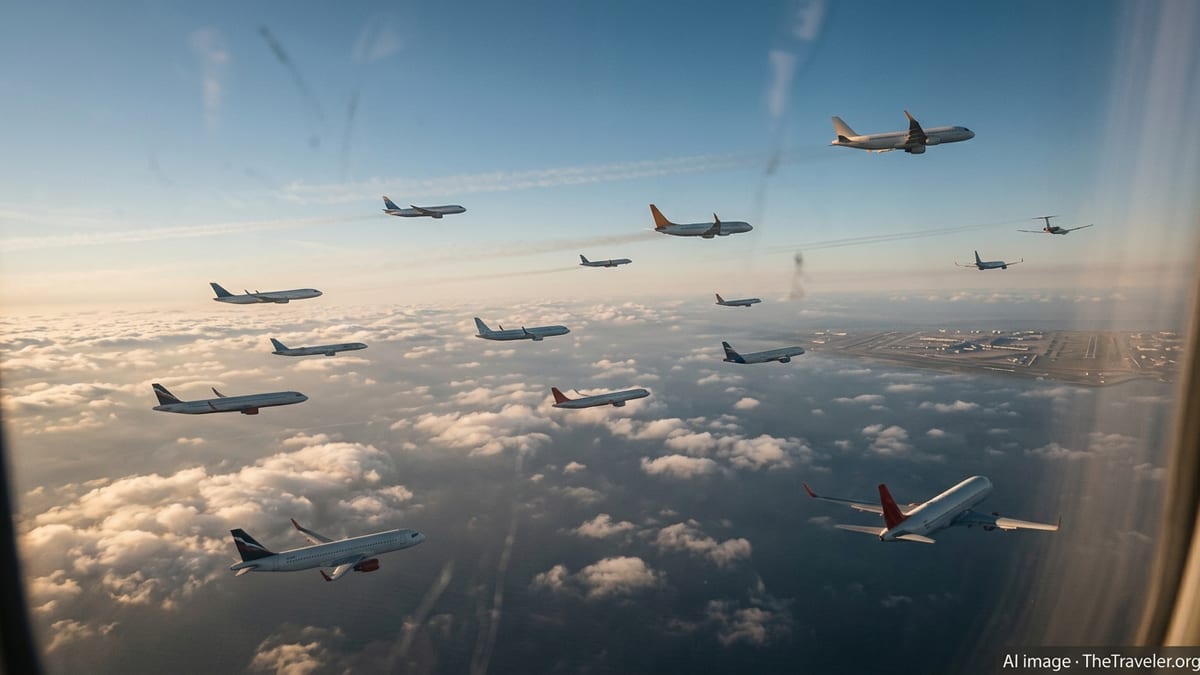
A powerful rebound in leisure travel is colliding with capacity constraints across key Mediterranean gateways and major United States hubs, as new booking and schedule data for summer 2026 point to a record surge in passengers and a growing risk of severe travel disruption at some of the world’s busiest airports.
Get the latest news straight to your inbox!
Mediterranean Hotspots Face Record Demand and Strain
Fresh figures from regional operators and tourism bodies indicate that Mediterranean airports are heading into one of their busiest peak seasons on record. In Greece, passenger traffic across a network of regional airports operated by a major concessionaire rose by around 6 percent in May 2026 compared with the same month a year earlier, continuing a trend of steady growth in international arrivals and underlining the region’s role as a magnet for European and long haul holidaymakers.
Low cost and leisure airlines are rapidly adding capacity into Southern Europe in response. Publicly available schedule information shows that leading budget carriers have collectively scheduled millions of additional seats to Spain, Italy, Greece and Portugal for the April to October period, concentrating new flights on island gateways and coastal cities that were already operating near their infrastructure limits in recent summers.
Industry updates from major European airline groups point to a similar pattern. One large network carrier in Central Europe has announced hundreds of extra flights from its main hub to Mediterranean destinations for the 2026 summer timetable, citing a sharp and short term spike in demand for leisure travel. That expansion is expected to funnel even more passengers through connecting hubs that have recently struggled with congestion, staffing gaps and air traffic control restrictions.
Analysts warn that while the additional capacity helps absorb some of the demand, it also amplifies the risk of knock on delays. Each extra rotation adds pressure to ground handling, security screening and baggage systems that have only partially recovered from earlier years of disruption, raising the prospect that relatively minor incidents could cascade into broader operational breakdowns during peak travel days.
US Mega Hubs Confront Traffic Surges and Fragile Operations
On the other side of the Atlantic, new booking trends and early season disruption underscore how vulnerable major US hubs remain as the summer rush begins. Recent coverage from travel outlets has highlighted clusters of delays and cancellations at top airports, with irregular operations linked to thunderstorms, air traffic management programs and ongoing staffing constraints in critical roles.
According to published booking insights from one leading online travel platform, domestic demand for city breaks and major events is surging across the United States for June through August 2026. Search and reservation data show strong interest in large urban centers rather than traditional beach or resort destinations, funnelling more passengers through already busy connecting hubs in cities such as Chicago, Atlanta, Dallas and Denver.
Airline schedule disclosures point to a significant ramp up in daily operations at these airports. One major US carrier has outlined plans for record summer activity at a core Midwestern hub, with hundreds of departures per day and an expanded long haul network. While such growth supports local economies and signals confidence in the travel rebound, it also leaves less margin in the system when storms, technical issues or airspace constraints arise.
Recent independent aviation commentary has drawn particular attention to pressure on the country’s air traffic control system. Discussions around staffing levels, training pipelines and sector complexity suggest that even modest increases in daily flight volumes can trigger bottlenecks at key choke points, with delays rippling through the wider network and stranding passengers far from their final destinations.
Global Data Show Strong Demand Despite Financial and Capacity Headwinds
At the global level, newly released economic and traffic assessments paint a picture of a passenger market that remains robust even as airlines grapple with higher costs and operational challenges. The International Air Transport Association’s early 2026 data show year on year growth in air passenger demand, supported by strong performance on several long haul corridors and continued appetite for international leisure travel, including routes linking Europe, North America and popular sun destinations.
However, the same analyses highlight that capacity growth and financial performance are under strain. Updated industry outlooks published in June 2026 describe how disruptions linked to geopolitical tensions and elevated fuel prices have squeezed margins and limited the ability of carriers to add aircraft or frequencies at the pace that pure demand indicators might justify. This imbalance between strong bookings and constrained supply is one factor underpinning higher average load factors and fuller flights across key markets.
Separate forecasts from international aviation bodies and traffic modeling tools reinforce the expectation that departures, available seats and passenger numbers will continue to rise through the summer, particularly across Southern Europe and North America. Yet these projections also emphasize that infrastructure and staffing have not expanded at the same rate, leaving airports and air navigation service providers with little slack when stress events occur.
Industry observers note that this environment increases the likelihood that localized incidents, such as temporary airspace closures or severe storms, can quickly escalate into multi day disruption. With aircraft and crews operating on tightly optimized schedules, recovery windows are narrow and spare capacity is limited, especially at mega hubs serving as primary gateways between continents.
Early Season Disruptions Offer a Warning for Peak Months
Recent weeks have already delivered a preview of how fragile the system can be. European aviation trackers and media outlets have reported waves of delays and cancellations affecting hundreds of flights at a time, snarling operations at major hubs serving Spain, Italy and the United Kingdom. Data from those events point to a combination of weather, air traffic restrictions and ground handling issues, with the knock on effects spilling into the wider network for days.
Specialist travel and aviation sites focused on the Mediterranean have similarly documented mounting congestion at several coastal and island airports as early season traffic ramps up. In some cases, turn times have lengthened and on time performance has deteriorated as airlines and service providers work through the practical implications of higher schedules, newer aircraft types and evolving labor arrangements.
In the United States, detailed coverage of recent operational snarls has described thousands of flights experiencing delays or cancellations during single multi day episodes. While many of these disruptions are rooted in seasonal thunderstorms or localized ground stops, they have exposed how little resilience remains when demand is near record highs and crew and aircraft rotations are finely balanced.
Travel experts point out that these early season incidents are occurring before the absolute peak of school holidays and transatlantic tourism. As more travelers head toward Mediterranean beaches, European capitals and US gateway cities in late June, July and early August, the cumulative impact of higher loads, stretched staffing and unpredictable weather could produce more frequent and widespread breakdowns.
What the Booking Surge Means for Summer Travelers
The convergence of booming bookings, tight capacity and existing operational vulnerabilities has direct implications for passengers planning trips through Mediterranean resorts and US mega hubs. Forward looking search and sales data suggest that many peak departures are already heavily sold, limiting rebooking options when flights are disrupted and increasing the risk of extended delays for those caught in irregular operations.
Consumer advocacy organizations and travel industry commentators are advising travelers to prepare for a more complex journey environment than in previous years. Public guidance commonly emphasizes the importance of allowing extra time for connections at major hubs, monitoring flight status closely via airline and airport channels, and being ready with contingency plans if schedules change at short notice.
Observers note that pressure is also building on ancillary services such as hotels near airports, car rental fleets and rail links that serve as alternatives when flights are cancelled. During recent disruption spikes, limited same day accommodation and onward transport options have compounded the stress for stranded travelers, particularly families and those on tightly timed itineraries for cruises, tours or events.
With summer 2026 still unfolding, analysts expect that operational data from June and July will be closely watched by regulators, industry groups and consumer bodies. For now, publicly available information suggests that the combination of a massive global booking surge and already stretched infrastructure is creating conditions in which even routine disruptions could tip major Mediterranean gateways and US mega hubs into episodes of severe travel chaos in the weeks ahead.