


More news on this day
Ottawa Macdonald-Cartier International Airport is facing significant disruption as a wave of delays and cancellations affects dozens of flights, upending travel plans across Canada’s busy summer season.
Get the latest news straight to your inbox!
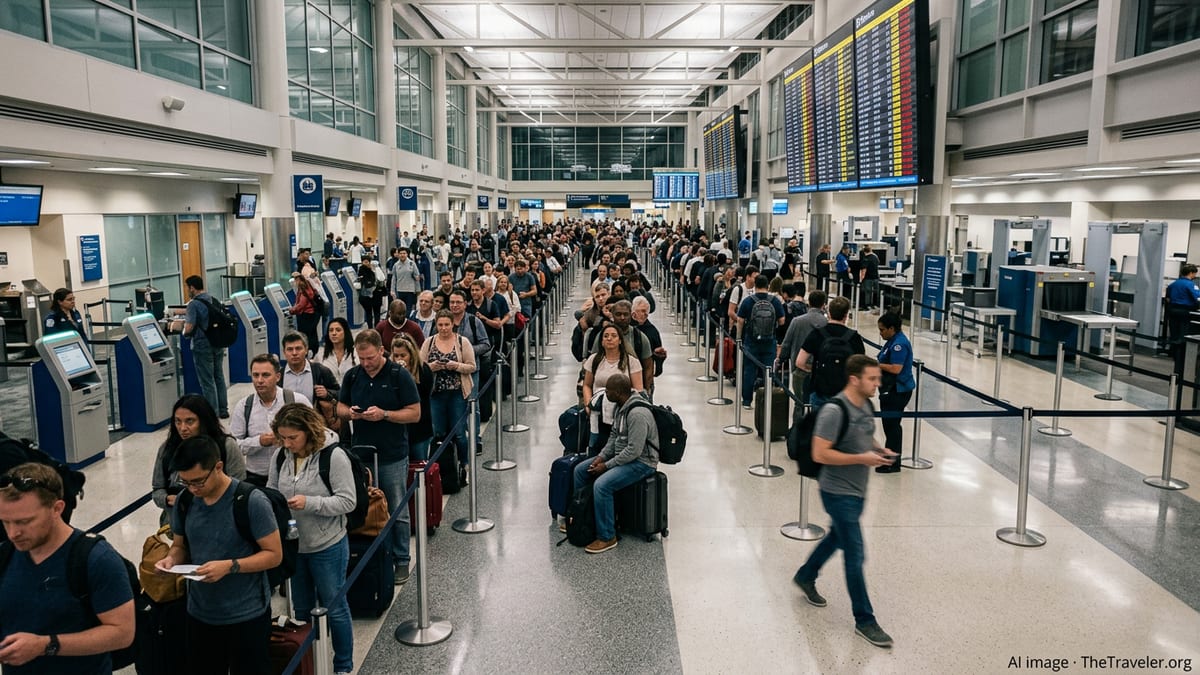
Dozens of Flights Disrupted Over Two Days
Operational data from multiple flight-tracking platforms for July 2 and July 3, 2026, indicates that Ottawa Macdonald-Cartier International Airport has experienced an unusually high volume of schedule disruptions. Reports compiling real-time information show more than forty flights delayed and close to twenty cancellations in a single day, with further knock-on delays continuing into the following morning.
Travel and aviation outlets describe the situation as a period of “travel chaos” for the National Capital Region, with the airport’s role as a key node in the Eastern Triangle between Toronto, Montreal and Ottawa magnifying the impact. When departures from Ottawa are cancelled or pushed back, connecting services through Toronto Pearson, Toronto Billy Bishop and Montreal-Trudeau are also affected, extending the disruption well beyond the city.
Flight-status portals for individual services show a pattern of cancellations and late operations on short-haul routes that typically form the backbone of domestic connectivity. Several Ottawa to Montreal and Ottawa to Toronto flights listed for July 2 were recorded as cancelled outright, while others operated with substantial delays, compressing already tight connection windows for onward journeys.
Key Routes to Toronto and Montreal Hit Hard
The heaviest disruption has been concentrated on high-frequency shuttle routes linking Ottawa to Toronto and Montreal. Publicly available arrival and departure boards show clusters of delayed flights on these corridors, along with multiple cancellations on services that normally run several times per day.
Aviation tracking services highlight specific examples where Ottawa to Montreal flights scheduled for July 2 were cancelled, while others on the same route operated late. Similar patterns are visible on Ottawa to Toronto services, including those serving both Toronto Pearson and Billy Bishop airports, where morning and evening departures play a central role in business and government travel.
This concentration of irregular operations on short-haul routes has an outsized effect, since many travelers rely on Ottawa as a starting point for longer domestic or international trips. Missed connections in Toronto or Montreal force rebookings, overnight stays or significant rerouting, which in turn increase pressure on already busy summer schedules across the network.
Multiple Carriers Affected Across the Network
The disruption at Ottawa Macdonald-Cartier is not confined to a single airline. Published coverage and live flight data show that Air Canada and its regional affiliates, including Jazz, have been among the most exposed, reflecting their dominant role on key domestic routes. Porter Airlines and WestJet are also listed among the carriers with delayed or cancelled services into and out of Ottawa during this period.
Independent news and travel outlets report instances where dozens of flights operated by a mix of airlines were cancelled in a short window, affecting routes to Toronto, Montreal, Halifax, Boston and other destinations. These cancellations have left passengers rebooking across different carriers and itineraries, underscoring the interconnected nature of Canadian regional air travel.
Real-time data from global flight-status platforms further illustrates the breadth of the disruption. On July 2, flights covering both business-heavy shuttle sectors and leisure-oriented routes registered significant delays, while several Ottawa-bound services from other Canadian cities were cancelled or rerouted, shifting congestion to alternative hubs.
Ripple Effects for Passengers and Tourism
The timing of the disruption is particularly sensitive, coinciding with the first peak of the summer holiday period in early July. Travel and tourism analysts note that irregular operations at a gateway like Ottawa can have a cascading effect on visitor itineraries, tour departures and regional events that depend on reliable air links.
Passenger experiences shared through travel forums and social media in recent months reflect growing concern about the risk of last-minute cancellations and long delays when connecting through Canadian hubs. Some travelers report choosing to drive several hours to reach Ottawa rather than rely on short-haul feeder flights, citing the possibility of missed connections and overnight airport stays.
Industry commentary suggests that sustained periods of disruption may influence traveler behavior, with passengers building in longer connection times, purchasing flexible fares or considering rail and road alternatives for shorter routes. For tourism operators, erratic flight schedules complicate planning and increase the likelihood of late arrivals or no-shows for time-sensitive activities.
Operational Performance Under Scrutiny
The latest wave of delays and cancellations at Ottawa Macdonald-Cartier comes against the backdrop of ongoing scrutiny of Canada’s air transport reliability. Government performance dashboards and historical statistics have previously highlighted variability in on-time performance and cancellation rates across major Canadian airports, including Ottawa, especially during peak seasons and adverse weather.
Recent on-time performance assessments for specific Ottawa routes show mixed results, with some Air Canada services between Ottawa and Montreal performing only around average compared with similar flights worldwide. While the current disruptions appear to be part of a broader pattern of strain affecting multiple carriers and hubs, they reinforce concerns about the resilience of short-haul networks and scheduling practices.
Aviation observers point to the importance of schedule buffers, crew and aircraft availability, and contingency planning to absorb operational shocks, particularly when demand is high. The concentration of delays and cancellations at Ottawa over the first days of July is likely to prompt fresh discussion about how Canada’s carriers and airports can better protect core routes and maintain confidence among passengers during the busiest travel weeks of the year.