


More news on this day
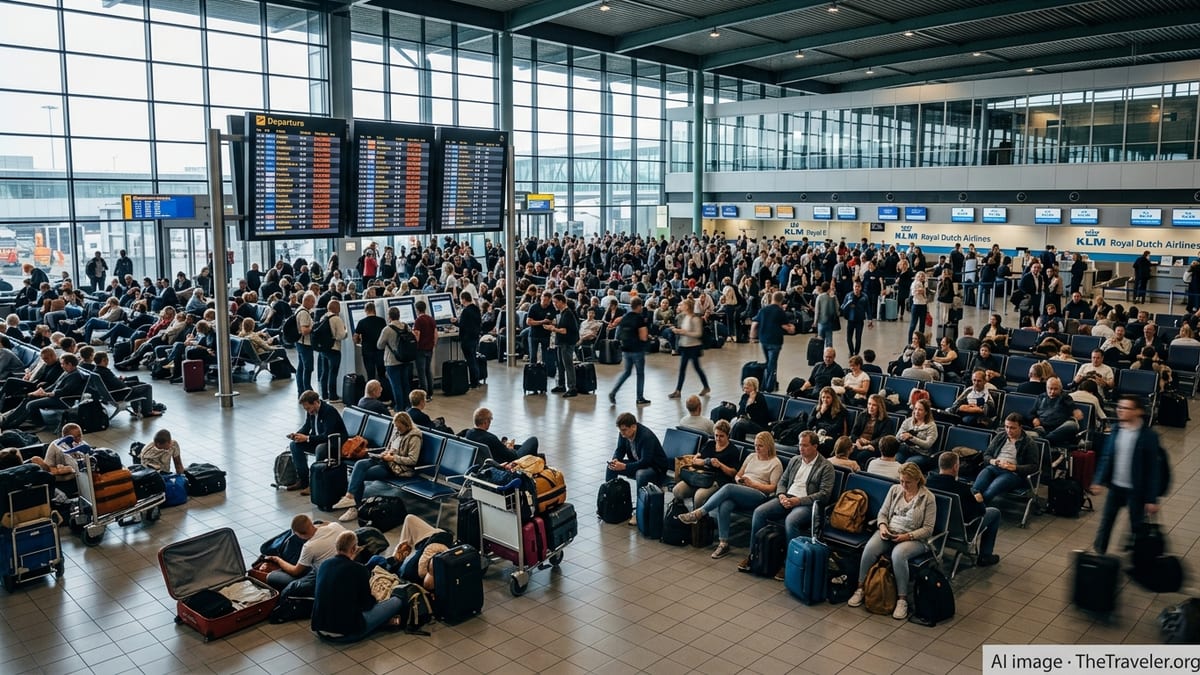
Passengers traveling through Copenhagen Airport on June 9 faced lengthy delays and occasional cancellations as more than 130 flights operated by SAS, Cityjet, Norwegian Air Sweden, Ryanair and several other carriers ran behind schedule, with disruption spreading across routes to cities including Mumbai, Berlin, Manchester and Barcelona.
Get the latest news straight to your inbox!
Significant Disruption Across Key European and Long Haul Routes
Operational data and passenger reports indicate that around 135 departures and arrivals at Copenhagen Airport were affected by delays on June 9, alongside at least two outright cancellations. The impact was felt across both short haul European services and selected long haul flights, creating bottlenecks at one of Scandinavia’s busiest hubs.
Among the most closely watched services were flights on the new Copenhagen to Mumbai route, where several recent rotations have faced schedule changes and interruptions. Publicly available tracking information and traveler accounts describe a pattern of late adjustments, diversions and cancellations affecting SAS services on this corridor, leading some passengers to be rebooked via other European hubs.
Short haul routes also experienced knock-on effects. Flights linking Copenhagen with major European cities such as Berlin, Manchester and Barcelona were among those reporting delays, according to live airport and third party tracking boards. Some of these services operated with revised departure times, while others arrived significantly behind schedule, extending travel days for passengers attempting onward connections.
The disruption coincided with an already busy early summer travel period, amplifying the pressure on airport operations. Copenhagen Airport handles a dense schedule of departures in the morning and late afternoon peaks, and even modest delays can quickly cascade across the network when aircraft and crews rotate through multiple destinations in a single day.
Multiple Airlines Affected, With SAS and Low Cost Carriers Prominent
The delays were spread across a broad mix of airlines using Copenhagen as a base or focus city. Scandinavian Airlines (SAS), which operates the largest share of movements at the airport, featured prominently in the disruption, reflecting its dense regional network and long haul operations. Reports show that both intra Nordic sectors and international services were touched by schedule changes, with some passengers facing missed connections and rebookings.
Regional operator Cityjet, which flies on behalf of SAS on certain routes, also appeared in passenger accounts relating to altered or cancelled departures. When a franchise or wet lease operator is involved, even minor changes to aircraft rotation can produce wider impacts for the mainline carrier’s timetable, particularly on thinner routes that have limited daily frequency.
Norwegian Air Sweden and Ryanair, both key players in Copenhagen’s short haul leisure and city break market, were among the low cost carriers experiencing delays. Historical punctuality statistics for the airport show that these airlines typically operate with relatively tight turnarounds, meaning ramp congestion, crew availability issues or air traffic control restrictions can quickly translate into late departures and arrivals.
Other European and leisure airlines serving the Danish capital also encountered schedule pressure during the day. While most flights ultimately operated, the cumulative effect of repeated 30 to 90 minute delays left many travelers arriving later than planned at their final destinations, particularly on itineraries involving connections beyond Copenhagen.
Pressure on Airport Operations and Passenger Experience
Recent traveler accounts from Copenhagen have highlighted longer queues at check in, security and baggage drop during peak hours, an issue that resurfaced as the latest wave of delays unfolded. Several passengers reported arriving early in anticipation of congestion, only to find that downstream flight disruptions still extended their total journey times.
The combination of high passenger volumes and delayed departures can create additional strain on airport facilities. Gate areas become crowded when multiple flights board later than scheduled, while ground handling teams must shift staff and equipment to accommodate aircraft arriving in compressed time windows. Publicly available punctuality reports for the airport show that even in normal months a portion of flights operate late, and on busy travel days the margin for recovery is limited.
Copenhagen Airport has previously emphasized investment in capacity and process improvements to handle growing traffic, but the latest disruption underlines the sensitivity of hub operations to external factors. These can include air traffic control restrictions in other European airspace, weather related constraints along flight paths and aircraft availability issues at individual airlines.
For passengers, the experience often depends on the robustness of rebooking and information systems. Travelers connecting onward from Copenhagen to long haul destinations such as Mumbai or to secondary European cities reported relying on airline apps, online tools and airport departure boards to monitor shifting departure times and gate changes throughout the day.
Impact on Mumbai, Berlin, Manchester and Barcelona Links
One of the highest profile impacts was on travel between Copenhagen and Mumbai, a route that has attracted attention since its launch due to intermittent operational issues. Public discussion among travelers indicates that several rotations in early June were disrupted, with some services cancelled and others operating with significant delays, forcing rerouting via partner hubs in cities such as Amsterdam or London.
Berlin and Manchester, both key business and leisure destinations from Copenhagen, also saw disrupted schedules. Data from independent flight tracking platforms showed late departures and arrivals on certain SAS and low cost services, affecting passengers planning same day meetings or onward rail and air connections. With limited spare capacity in the timetable, even a single delayed aircraft can affect several subsequent sectors.
Barcelona, a major Mediterranean leisure destination from Copenhagen, featured among the routes where delays were recorded, according to live airport boards and traveler reports. Many of these flights cater to holidaymakers and weekend travelers, making punctuality especially important for short breaks and package itineraries. Late departures can compress already brief stays or cause missed hotel check in windows at the destination.
The pattern of disruption across these routes illustrates the interconnected nature of modern airline scheduling. Aircraft serving a long haul sector to Mumbai may have arrived from a European feeder city earlier in the day, while a delayed Nordic regional service can ripple forward to an evening departure to Southern Europe. When the schedule is tight, relatively small problems can quickly become network wide.
What Passengers Can Do During Ongoing Disruptions
With delays and occasional cancellations affecting a wide range of airlines at Copenhagen, passenger advocates often recommend building additional buffer time into itineraries involving connections at the airport, particularly during peak summer travel weeks. Cutting minimum connection times too close can increase the risk of misconnecting when outgoing flights depart later than planned.
Travel industry guidance typically suggests that passengers monitor their flights through airline apps and airport information screens, as these tend to reflect schedule changes and gate reallocations more quickly than printed itineraries or third party confirmations. For those flying long haul via Copenhagen, checking the status of both the feeder and onward sectors can provide an early signal of potential disruption.
When cancellations occur, publicly available consumer rights information for European air travel notes that passengers on eligible flights may have options such as rebooking on the next available service or requesting a refund, depending on the circumstances and applicable regulations. Travelers are often advised to keep records of boarding passes, delay notifications and any additional expenses incurred while waiting for alternatives.
As airlines and Copenhagen Airport work through the latest wave of schedule challenges, the experience of June 9 serves as a reminder of how quickly disruptions at a major hub can ripple outward to destinations across Europe and beyond, affecting journeys to cities from Berlin and Manchester to Barcelona and Mumbai.