


More news on this day
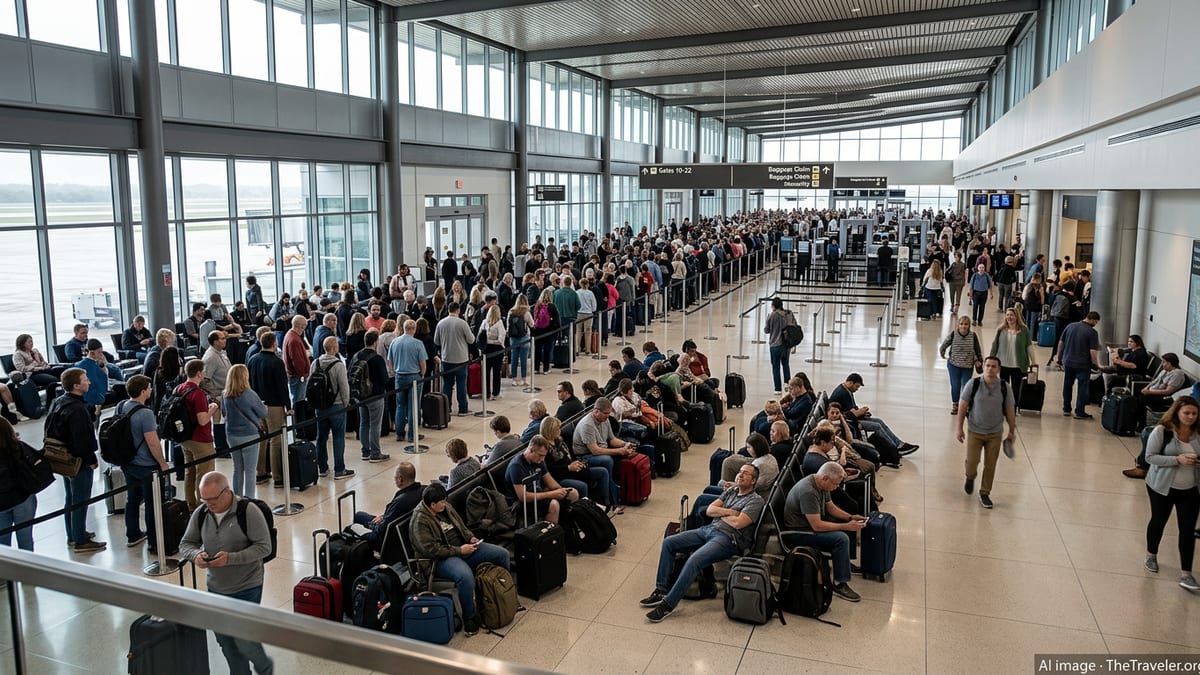
Flight operations at Austin–Bergstrom International Airport faced significant disruption on Sunday, with publicly available tracking data showing 162 delays and six cancellations as knock-on problems at major hubs in Dallas, Atlanta, New York and Denver rippled through domestic and international routes.
Get the latest news straight to your inbox!
Delays Mount in Austin as Weather and Congestion Collide
Tracking platforms on June 14 indicated that Austin–Bergstrom’s schedule was heavily constrained, with more than one hundred departures and arrivals pushed back from their planned times. The disruptions appeared to concentrate around morning and late afternoon banks of flights, when the airport typically handles dense clusters of departures to connecting hubs and popular leisure destinations.
Regional and mainline flights from carriers including American Airlines, United Airlines, Southwest Airlines and Alaska Airlines showed a mix of modest and extended delays. Some services departed on time, but others posted schedule slips of an hour or more, especially on routes feeding into overburdened hubs such as Dallas Fort Worth, Denver and New York area airports.
Operational data for individual flights suggested that thunderstorms across parts of the central and eastern United States contributed to flow-control programs and spacing requirements in busy airspace. Combined with high weekend demand, that weather created bottlenecks that quickly reverberated through Austin’s tightly banked schedule.
While the majority of services ultimately operated, six cancellations at Austin–Bergstrom added to the strain for travelers attempting to make tight connections or reach time-sensitive events. Those cancellations, concentrated on hub-and-spoke routes, removed important recovery options for passengers already facing delays.
Knock-On Effects From Dallas, Atlanta, New York and Denver
The pressure at Austin–Bergstrom did not occur in isolation. Major US hubs including Dallas Fort Worth, Atlanta, New York’s John F. Kennedy and Denver International saw their own elevated levels of delays and cancellations as storm systems and heavy traffic reduced available capacity.
Dallas Fort Worth, a key connecting point for American Airlines, experienced rolling departure and arrival slowdowns that constrained the availability of inbound aircraft and crews for Austin flights. When aircraft arriving from Dallas ran late or were diverted, their subsequent rotations in and out of Austin were pushed back, amplifying local delays.
In Atlanta, one of the world’s busiest hubs, congestion tied to convective weather and airspace restrictions limited the ability of carriers to absorb schedule changes. New York’s JFK faced its usual combination of crowded airspace and weather-related spacing, affecting long-haul transatlantic services as well as domestic connections. Denver, exposed to rapidly changing mountain weather, reported its own pattern of holdups that affected flights linking back to Texas.
Because Austin relies heavily on these hubs to provide onward connections to the rest of the United States and international destinations, even modest slowdowns at multiple nodes can trigger an outsized impact on the Central Texas gateway. Sunday’s pattern fit that familiar dynamic, with delays radiating through the network rather than stemming from a single local incident.
Domestic and International Travelers Face Missed Connections
The combination of local and network-wide disruption left many passengers facing uncertain itineraries. Travelers bound for domestic destinations via Dallas, Atlanta, New York and Denver encountered missed or narrowly made connections as inbound flights arrived late and gates changed with little notice.
For international passengers, the stakes were higher. Long-haul services from hubs such as JFK and Atlanta typically operate only once daily to many overseas destinations, leaving limited alternatives when a feeder flight from Austin arrives behind schedule. A delayed departure from Austin that causes a missed evening transatlantic connection can translate into a full-day or longer wait for the next available seat.
Reports from publicly accessible social media posts and aviation message boards on Sunday described crowded gate areas and rebooking lines at several hubs, with travelers attempting to secure new routings or overnight accommodations. While some airlines offered same-day alternatives via different connecting cities, limited spare capacity during the busy summer travel period made comprehensive recovery challenging.
The cascading effects also extended to baggage handling. When passengers were rebooked onto new itineraries at short notice, luggage often remained tied to original routings, increasing the risk of delayed bags even when travelers themselves were able to depart.
Why Austin Is Particularly Vulnerable to Systemwide Disruptions
Austin–Bergstrom has experienced rapid growth in recent years, with city and airport planning documents highlighting strong increases in passenger volumes, new domestic routes and an expanding slate of international services. That growth has outpaced some elements of the airport’s infrastructure, leading to regular reports of long security lines and crowded concourses during peak periods.
Unlike larger coastal hubs that host extensive long-haul fleets and multiple parallel runways, Austin remains primarily a connecting spoke dependent on aircraft and crew flows from other major airports. When those hubs encounter weather, staffing shortages or air traffic control initiatives, the effects are often felt quickly in Central Texas, with fewer backup aircraft available to plug gaps in the schedule.
Travel demand tied to Austin’s robust events calendar also compresses traffic into narrow windows. Conferences, festivals and major sporting events tend to cluster departures early in the morning and late in the afternoon, leaving little slack to recover when inbound operations run late. Sunday’s disruption showed how a combination of high load factors and constrained schedules can magnify even moderate upstream issues.
Airport planning documents and local coverage over the past year have noted ongoing terminal expansion and airfield improvement projects intended to ease congestion and support continued growth. However, those upgrades will take time to complete, and the current configuration leaves limited margin when national airspace conditions deteriorate.
What Travelers Can Expect in the Coming Days
With summer travel volumes climbing and convective storm activity increasing across much of the country, operational observers expect periodic episodes of disruption to continue at Austin and its primary connecting hubs. Airlines have indicated through public scheduling data that they are running near pre-pandemic capacity, which reduces their flexibility to absorb irregular operations.
Passengers with upcoming itineraries through Austin–Bergstrom are likely to see more schedule adjustments, particularly on afternoon and evening departures vulnerable to upstream delays. Same-day changes and rolling departure-time revisions are probable when storms develop along key corridors connecting Texas with the Southeast, Northeast and Mountain West.
Travel industry guidance generally recommends building longer connection times during the summer, especially when itineraries route through delay-prone hubs or rely on the final flight of the day. Purchasing tickets on a single itinerary, rather than separate bookings, can also improve rebooking options when disruptions occur.
For now, Sunday’s tally of 162 delays and six cancellations at Austin–Bergstrom underscores the fragility of a national air system operating close to its limits. As airlines, airports and air traffic managers navigate another busy travel season, passengers connecting through Austin and the country’s largest hubs are likely to continue feeling the effects whenever weather or congestion intrudes.