


More news on this day
Delhi’s Indira Gandhi International Airport moved to support stranded travelers this week after prolonged delays on SpiceJet services, with the airport operator indicating that on-ground teams coordinated with the airline to reduce passenger hardship inside Terminal 3.
Get the latest news straight to your inbox!
What happened at Delhi Airport
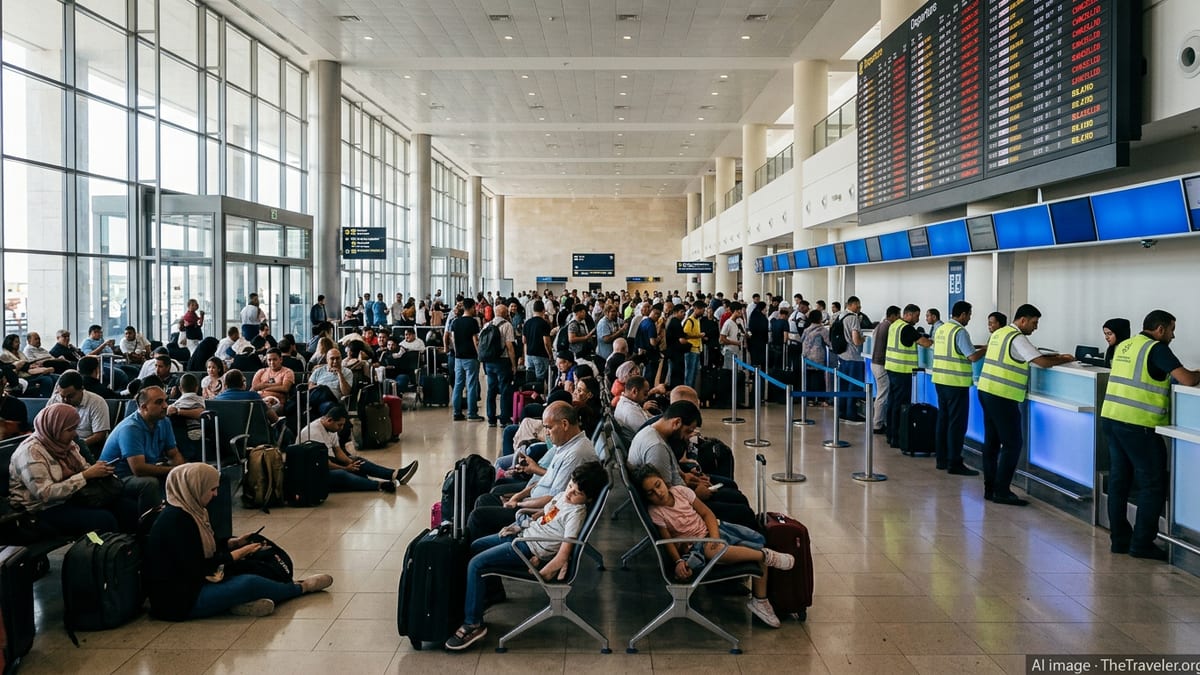
Published coverage indicates two SpiceJet flights from Delhi to Dubai, SG 5111 and SG 5105, faced repeated rescheduling and delays that stretched beyond 24 hours, triggering crowding and passenger protests inside the international terminal. Reports described travelers waiting for updates in public areas, with some sitting on the floor as departure times shifted.
Delhi International Airport Limited (DIAL), which operates IGI Airport, posted that airport teams were coordinating with SpiceJet and other stakeholders to support affected passengers. The airport operator’s public messaging emphasized passenger comfort and described arrangements for food and other necessary assistance during the disruption.
SpiceJet attributed the Delhi Dubai delays to operational reasons linked to an aircraft being grounded, according to published coverage. Reports also indicated the affected flights subsequently arrived in Dubai after the disruption period.
How the airport says it supported stranded passengers
DIAL’s public updates framed the response as a joint effort between the airport’s on-ground teams and the airline, focused on immediate, practical support while passengers waited. Published coverage described food and beverage support being arranged in Terminal 3, along with steps intended to reduce discomfort for travelers facing an extended terminal stay.
Delhi Airport maintains multiple channels for passenger support beyond airline counters, including a 24x7 helpline and flight information line listed on its official contact pages. For passengers trying to sort out changing departure times, the airport’s general guidance is to monitor live flight status and remain in touch with the concerned airline or reach out to on-ground teams at the terminal.
For travelers who need additional help while navigating the terminal during irregular operations, Delhi Airport also highlights its “DEL Cares” passenger-services initiative, which includes information desks and support for smoother movement within the terminal. While these services are not substitutes for airline obligations during disruptions, they can be useful when crowds build around check-in and gate areas.
What disrupted travelers may be entitled to under India’s passenger rules
When delays and cancellations occur, India’s passenger-protection framework is anchored in the Directorate General of Civil Aviation’s Civil Aviation Requirement (CAR) covering denied boarding, cancellations, and delays. A Ministry of Civil Aviation explainer has previously summarized that airlines are expected to provide care such as meals and refreshments once passengers have reported for travel, and may also have to provide hotel accommodation with transfers depending on the length and timing of the delay.
Airline-specific passenger-rights pages often restate these requirements in operational terms. SpiceJet’s published passenger-rights information, for example, outlines a care ladder for checked-in passengers, including drinking water, refreshments, and meals depending on the delay duration, and notes circumstances in which hotel accommodation may be provided for very long delays or overnight situations.
For travelers seeking redress, the government-backed AirSewa platform is commonly referenced in airline and ministry guidance as an escalation channel if a complaint remains unresolved through the airline’s own customer-care and grievance process. Passengers dealing with refunds or compensation claims are typically advised to keep booking details and records of disruption notifications, and to use official grievance pathways rather than relying on informal assurances in the terminal.
Practical guidance for passengers traveling through IGI during disruptions
For passengers flying SpiceJet through Delhi, the most immediate step is to verify the flight status before heading to the airport and again upon arrival, since departure times can change multiple times during irregular operations. Delhi Airport’s advisories and published coverage of this week’s incident pointed travelers back to the airline and to on-ground teams for the latest updates.
Inside the terminal, travelers who are already checked in and facing long waits generally benefit from staying within the airline’s service area for rebooking and care arrangements, while also using airport information counters for navigation help, gate updates, and locating passenger facilities. Delhi Airport’s official contact resources also list a 24x7 helpline for general queries and a dedicated flight-information number, which can be useful when queues make in-person support slow.
Passengers with tight onward connections or time-sensitive travel plans may want to proactively ask about re-accommodation options as soon as a long delay becomes clear, including whether an alternate flight is being arranged and what documentation will be provided for insurance or employer purposes. Under India’s framework, the exact remedies can depend on delay length, timing, and the nature of the disruption, so travelers often need both the updated flight plan and a written record of the disruption to pursue claims afterward.