


More news on this day
Des Moines International Airport is renumbering every gate in its aging terminal as it prepares for a new multi‑hundred‑million‑dollar facility, and major U.S. carriers are urging passengers to double‑check their boarding passes before flying through the rapidly growing Midwest hub.
Get the latest news straight to your inbox!
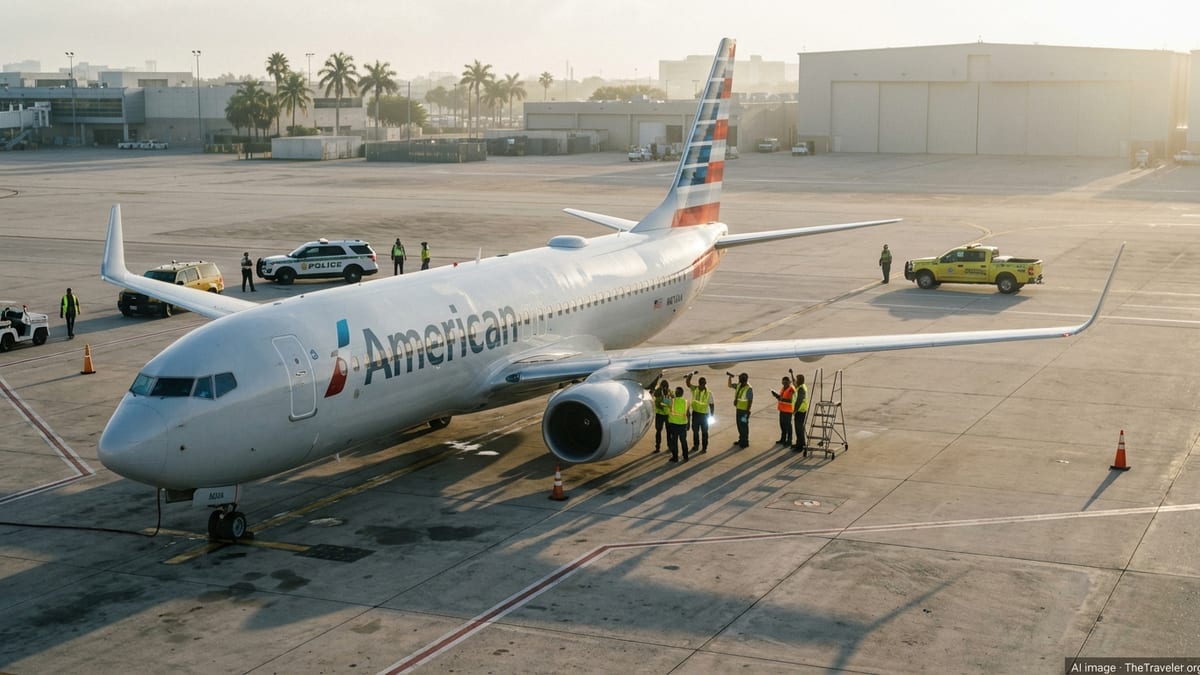
All Gates Get New Numbers As Terminal Project Advances
Des Moines International Airport has removed letters from its gate designations and shifted to a single, straight numerical sequence across the concourse. Reports indicate that the overnight change means long‑familiar labels such as C1 and C2 have disappeared, replaced by higher two‑digit numbers that will eventually align with a new terminal now under construction.
Airport planning documents and local coverage show that the renumbering is part of a broader terminal replacement project scheduled to bring a larger, more efficient facility online in January 2027. The multiyear program keeps the current concourses operating while crews build the new structure, connect it to existing gates and gradually expand capacity to more than 20 contact points for aircraft.
Publicly available information notes that the current thirteen gates will continue to be used through the transition, even as new terminal phases extend toward Fleur Drive and add extra positions. The updated numbering scheme is designed so that passengers will one day move from low gate numbers at one end of the complex to higher numbers at the other without the split A and C concourse lettering that has characterized Des Moines for decades.
Wayfinding and concourse signage have been replaced to match the new system, and local broadcast reports describe fresh paint on the ramp and revised digital displays inside the building. The visual refresh is one of the first changes many travelers will notice as the terminal project shifts from abstract renderings to on‑the‑ground impacts.
Major U.S. Airlines Push Gate‑Check Messages
The gate renumbering is prompting a coordinated message from the nation’s biggest carriers that serve Des Moines. Public advisories, schedule updates and app notifications from airlines such as American, Delta, United, Southwest, Alaska and JetBlue emphasize that boarding passes will now display unfamiliar gate numbers and that passengers should verify the latest details before heading to the concourse.
Industry coverage of the change notes that airlines and the airport coordinated timing so updated gate data would flow through reservation and departure control systems at the same moment physical signs changed. Even with that coordination, carriers are highlighting the potential for confusion among infrequent fliers, families and connecting passengers who may still think in terms of A and C concourses.
Travel analysts point out that gate renumbering exercises are becoming more common at U.S. airports as facilities are reconfigured for long‑term growth. For Des Moines, the stakes are higher than usual because every mainline carrier at the field is part of the shift, increasing the number of people who could show up at the wrong door if they rely on memory instead of their latest boarding pass or mobile notification.
Airline communications channels are encouraging travelers to arrive early, pay close attention to gate announcements in the terminal and monitor smartphone apps for last‑minute tweaks. The emphasis on self‑service tools reflects a broader post‑pandemic trend in which carriers lean on digital platforms to smooth operational changes without adding staff at ticket counters or podiums.
New Terminal Positions DSM As A Global‑Ready Gateway
The renumbering is only the most visible early sign of a transformation that airport planners describe as a generational shift for Iowa’s primary air gateway. Construction and engineering firms involved in the project outline a phased program that replaces the roughly 70‑year‑old terminal with a glass‑fronted structure featuring expanded ticketing halls, security screening areas and a longer concourse capable of handling larger aircraft.
Design materials show that the future terminal will connect to the existing concourse, add new bridges to an expanded parking garage and include a modern energy plant and administrative offices. The phased approach allows air service to continue uninterrupted while crews bring gates online in stages, a strategy that mirrors terminal replacement projects at larger hubs across the United States.
Airport fact sheets highlight that Des Moines already handles the majority of Iowa’s commercial air traffic, with more than half of the state’s flyers beginning or ending their trips at DSM. By reconfiguring gates and circulation space, the new facility is intended to handle millions more passengers annually and offer the infrastructure necessary for additional long‑haul and cross‑border routes.
Project timelines and cost estimates reported in regional business outlets frame the new terminal as a multi‑hundred‑million‑dollar bet that air travel demand in central Iowa will continue to rise. The renumbering of gates ahead of the opening serves as both a practical step for operations and a public signal that the airport is entering the final stretch of its biggest expansion in decades.
Rising Overseas Demand From UK, India, Japan, Germany, Canada And Mexico
While Des Moines remains primarily a domestic market, travel industry data sets and tourism forecasts point to growing interest from international visitors, particularly from the United Kingdom, India, Japan, Germany, Canada and Mexico. Much of that demand currently reaches Iowa through connections at major hubs such as Chicago, Dallas, Denver and Minneapolis, but the airport’s expansion is widely interpreted as preparation for a more global role.
Tourism offices and airline network planners have noted increasing ties between Iowa’s agriculture and insurance sectors and overseas partners, along with a gradual rise in inbound leisure travel driven by events, university connections and outdoor tourism. As these links deepen, Des Moines is expected to see more passengers using the airport as a gateway into the central United States and as a convenient departure point back to long‑haul hubs abroad.
For travelers from countries like Canada and Mexico, nonstop and one‑stop options via U.S. partner hubs are already common, and analysts say enhanced facilities at DSM could support additional frequencies and new code‑share combinations. For longer‑haul markets such as the UK, India, Japan and Germany, the benefit of a larger, more efficient terminal would be the ability to handle higher passenger volumes on banks of connecting flights timed to transatlantic and transpacific departures elsewhere.
Industry observers suggest that as airlines evaluate future schedules, the presence of a modern terminal with additional gates, larger hold rooms and upgraded federal inspection capacity would strengthen Des Moines’ case for new or expanded services aimed at international visitors. In that context, the seemingly simple act of changing gate numbers is part of a broader repositioning of DSM from a regional facility into a more prominent node on global travel maps.
What Travelers Should Expect In The Months Ahead
For now, the most immediate impact for passengers is at the gate. Travelers will arrive at an airport that looks familiar from the curb but functions differently once they pass security, with new numbering on jet bridges, altered wayfinding signs and revised digital displays across the concourse.
Public messaging from the airport and its tenant airlines stresses that boarding passes, mobile apps and flight information screens are the definitive sources for gate assignments as the renumbering settles in. Staff and temporary signs are being used to steer travelers who may still be searching for old concourse labels that no longer exist.
Over the coming months, the visible construction work around the airfield and along Fleur Drive is expected to intensify as additional phases of the terminal project move forward. Travelers may encounter occasional detours, temporary interior walls and shifting retail and concession layouts as different portions of the existing building are prepared for their eventual connection to the new structure.
For Des Moines and the wider Midwest, the short‑term inconvenience of learning new gate numbers is being framed as the prelude to a step‑change in connectivity. As American, Delta, United, Southwest, Alaska and JetBlue adjust their operations to the updated concourse and prepare for a next‑generation terminal, DSM is positioning itself to welcome a rising wave of international visitors and to reshape how the region connects with the rest of the world.