


More news on this day
Germany’s state-owned rail operator Deutsche Bahn is introducing a sweeping ban on alcohol consumption across all 5,400 of its stations, marking one of the most comprehensive alcohol restrictions yet seen on a major European transport network.
Get the latest news straight to your inbox!
Phased rollout across Germany’s rail network
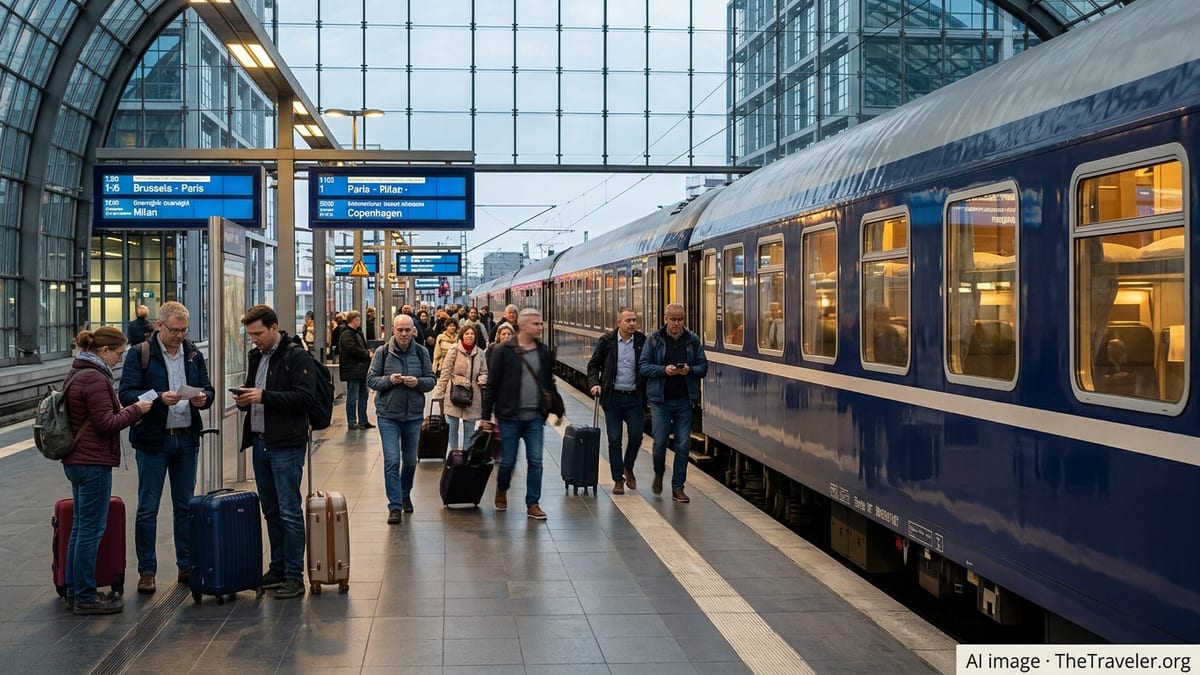
According to publicly available information from Deutsche Bahn and recent media coverage, the new alcohol ban will be introduced step by step and is scheduled to apply at every station in Germany by mid-October 2026. The policy covers the entire station area, including platforms, concourses and underpasses, and will apply around the clock.
Reports indicate that the rollout builds on existing local bans already in force at several major stations, including Cologne, Hamburg and Munich. These earlier measures have served as test beds, with the nationwide prohibition now extending the approach to thousands of smaller stations in cities, suburbs and rural areas.
The regulation concerns consumption rather than possession, targeting open containers and visible drinking of beer, wine, spirits and mixed alcoholic beverages. Signs and passenger information systems are expected to play a central role in communicating the new rules as they are introduced at each location.
Published coverage notes that the ban is limited to station premises and does not automatically extend to trains, where separate rules and carrier policies apply. Regional transport operators will continue to set their own standards unless they choose to align with the new station-wide approach.
Security, cleanliness and staff safety at the center
In its public statements, Deutsche Bahn links the alcohol ban to broader efforts to improve safety, cleanliness and working conditions for both passengers and staff. Company materials and news reports highlight concerns about aggressive behavior, vandalism and disturbances associated with heavy drinking in and around busy station areas.
The move reflects a wider trend in public transport management in Germany, where several urban transit agencies have introduced alcohol restrictions on trams, buses and underground networks in recent years. Observers note that large stations often function as semi-public urban spaces that attract a mix of commuters, tourists and vulnerable groups, making security a persistent challenge.
Publicly available information suggests that Deutsche Bahn sees the ban as part of a package of measures that also includes a stronger security presence, additional surveillance and closer cooperation with municipal services. The company has framed the step as a preventive tool intended to reduce conflict and create a more predictable environment for everyday travel.
Service unions and passenger groups are following the development closely, arguing that the success of the ban will depend on practical enforcement and the availability of social support services for people with addiction issues who currently spend time in station areas.
Key exemptions and what travelers can still expect
Despite the broad scope of the prohibition, the measure is not an absolute alcohol blackout across the rail estate. According to media reports, station restaurants, bars, licensed kiosks and long-distance lounges will be allowed to continue selling and serving alcoholic drinks within their premises, subject to existing licensing laws.
Travelers will therefore still encounter alcohol in commercial areas such as seated restaurants, hotel bars integrated into station buildings and some licensed food outlets. The distinction lies in where the drink is consumed: the new rules focus on open consumption in public circulation areas, particularly on platforms and in halls used for boarding and alighting.
News coverage also indicates that special events, such as New Year’s celebrations, concerts or fan travel for major sporting fixtures, may involve additional local restrictions or targeted enforcement, depending on the security situation. Authorities responsible for public order in surrounding city districts may coordinate temporary measures with the railway operator on peak travel days.
Passengers who are used to bringing takeaway beer or wine onto platforms before boarding trains are likely to feel the impact most directly. However, for many regular commuters, the most visible change may be an increase in station signage and the presence of staff tasked with reminding people of the new rules.
Enforcement and penalties for non-compliance
Deutsche Bahn plans to rely primarily on its station staff and contracted security teams to oversee compliance with the alcohol ban. Publicly available information shows that the company intends to focus initially on information and de-escalation, encouraging passengers to dispose of drinks or leave the station if they wish to continue consuming alcohol.
Where passengers refuse to comply, reports indicate that they may be asked to leave station premises. In more serious cases, such as repeated violations or associated aggressive behavior, individuals can face formal bans from entering specific stations or sections of the rail network for a set period.
The alcohol rules will complement existing bans on weapons and other dangerous items, which are already signposted at many major hubs. In practice, enforcement will be selective, with security patrols concentrating on hotspots and busy times of day, particularly evenings and weekends.
Observers note that the policy’s impact will depend heavily on staffing levels and cooperation with local public services. Some critics argue that without substantial investment in on-the-ground personnel, the ban risks becoming symbolic, while supporters believe that clear rules provide a stronger foundation for targeted enforcement.
How the ban could reshape travel culture
The decision to prohibit alcohol consumption at all 5,400 stations is expected to influence travel culture across Germany, a country where drinking beer or wine on platforms or before boarding trains has long been part of everyday routines for some passengers. Analysts point out that the policy brings Germany closer to alcohol rules in several neighboring countries, where public drinking in transport hubs is already restricted.
For international travelers, especially those connecting through busy hubs such as Berlin, Frankfurt or Munich, the change may make station environments feel more orderly and predictable, with fewer open drinking areas. Tourism bodies are already updating travel guidance to reflect the upcoming restrictions and to clarify that alcohol will remain available in many on-site hospitality venues.
From a broader policy perspective, the nationwide ban aligns with debates about how European cities manage public space, nightlife and social behavior in high-traffic areas. The move may encourage other operators, including private bus and coach companies, to review their own rules on alcohol in waiting areas and terminals.
As the phased introduction continues through 2026, passenger reactions are likely to be mixed. While some travelers welcome quieter, cleaner stations, others see the step as a limitation on personal freedom. For now, the measure represents a significant shift in how Germany’s rail network balances openness as a public space with a growing emphasis on security and controlled environments.