


More news on this day
Severe congestion on busy Diwali and Chhath routes has led to major disruptions across India’s railway network, with several festival special and long-distance trains reported as running extremely late and leaving homebound passengers stranded on crowded platforms for hours.
Get the latest news straight to your inbox!
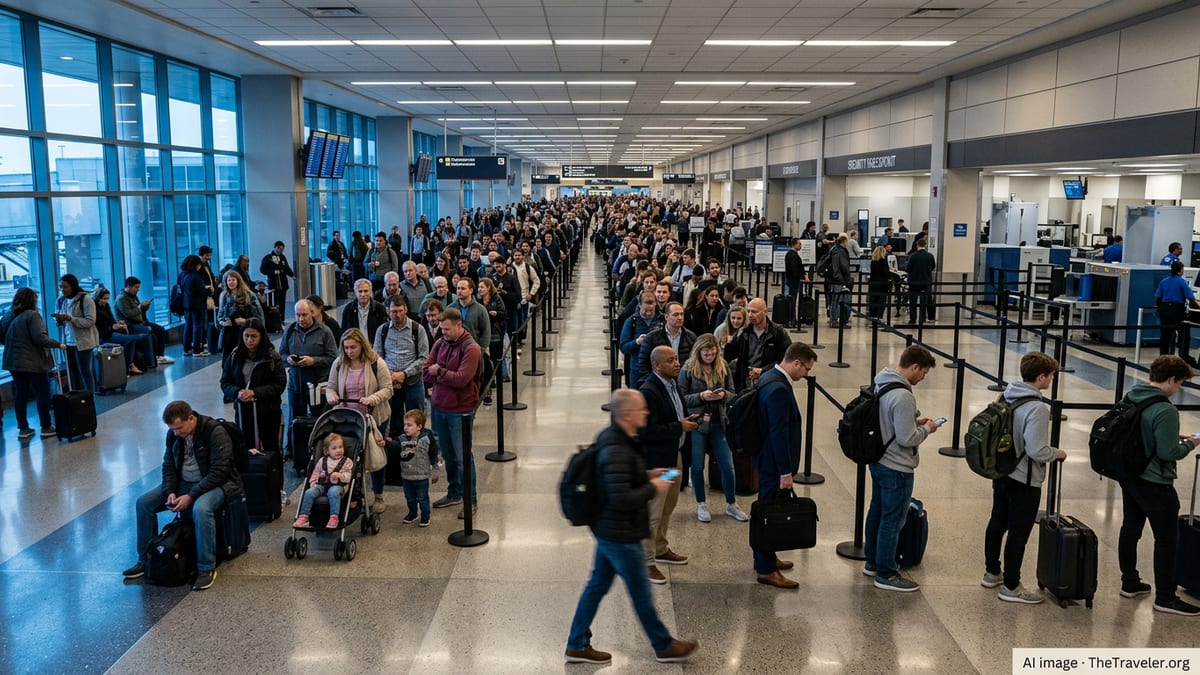
Heavy Festive Traffic Overwhelms Key Rail Corridors
Publicly available train-running data and regional media coverage indicate that punctuality on several festival special and Bihar-bound services has deteriorated sharply in the days leading up to Diwali and Chhath in early November 2026. On routes into Patna, Danapur and other East Central Railway hubs, reports describe express and festival special trains reaching their destinations many hours behind schedule, in some instances spilling over well into the next day.
Coverage focused on Patna notes multiple trains from metropolitan centres such as Delhi, Mumbai and Ahmedabad arriving between five and eleven hours late on November 6, with passengers waiting through the night in crowded station areas as announcements repeatedly revised expected arrival times. While the headline figure of delays “up to 35 hours” has circulated on social media, recent verified schedules largely document disruptions in the single-digit hour range, underscoring the difficulty of independently confirming the most extreme delay claims in real time.
The pressure comes on top of an already expanded timetable. Indian Railways and various zonal administrations have announced thousands of additional festival season trips between October and November 2026 to handle Diwali and Chhath demand. North Central Railway, for example, has publicised more than 1,000 “Trains on Demand” trips for the wider Durga Puja, Diwali and Chhath period, while national-level planning documents refer to over 8,000 special trips layered on top of around 3.4 lakh regular services through the season.
Despite this added capacity, the intensity of passenger flows out of big cities toward Uttar Pradesh, Bihar and eastern India in the days immediately before Diwali has strained infrastructure. Single-line stretches on certain connecting routes and scheduled engineering blocks can further compress available capacity, making it harder to recover from even minor operational disruptions once the peak rush begins.
Bihar- and UP-bound Specials Bear the Brunt
Travel disruptions have been particularly acute on high-demand festival specials and regular trains linking the Delhi region with destinations in Bihar and eastern Uttar Pradesh. According to publicly available running-status updates monitored in early November, several trains on the New Delhi–Patna, Anand Vihar–Jogbani, New Delhi–Supaul and similar corridors showed delays of multiple hours, with knock-on effects on connecting services.
Regional outlets covering Patna and Danapur have highlighted late arrivals of long-distance trains from Mumbai, Surat, Ahmedabad, Bengaluru and other employment hubs, where migrant workers and students typically travel home for the holidays. The combination of packed coaches, limited pantry facilities on some specials and extended waits at intermediate stations has heightened discomfort for travellers attempting to complete journeys ahead of Diwali and Chhath.
On other high-traffic routes, such as festival specials between Kolkata and northern or western destinations and services from southern metros toward the north and east, railway press releases show an extensive menu of extra trains operating in October and November 2026. These include temporary services from Northern, Western, Central, Eastern, East Central and South Central Railway zones, among others. However, a surge of last-minute ticket seekers and general-compartment travellers has kept load factors extremely high, leaving little buffer in case of cascading delays.
Where festival specials operate over congested single-line sections or through junctions handling a mix of long-distance, suburban and freight traffic, even modest operational issues can magnify quickly. Once a late-running train misses its pathway, it may be required to wait at intermediate stations to allow other scheduled movements, prolonging delays and increasing the risk of missed onward connections for passengers.
Thousands of Extra Services Still Struggle to Absorb Demand
Railway planning for the 2026 festive season has been expansive. National reporting based on official notifications points to more than 8,000 notified special trips for Durga Puja, Diwali and Chhath across the network, supplementing the regular timetable over roughly two months. Western Railway, for instance, has in previous seasons scheduled more than 2,500 special-train trips around Dussehra, Diwali and Chhath, and similar patterns are visible for 2026 in the latest zonal press releases.
North Central Railway has detailed over 1,000 Trains on Demand trips announced by late September to cater to seasonal flows, with additional services added by other zones through October. Northern Railway and East Central Railway have separately publicised extensive lists of festival specials and temporary extensions, including trains from New Delhi and Anand Vihar to Danapur, Patna, Darbhanga, Supaul and other centres in Bihar.
Nonetheless, the sheer volume of travellers in the immediate pre-Diwali window, particularly those heading from Delhi, Mumbai and other metros toward Bihar and eastern Uttar Pradesh, has once again pushed the system close to its limits. Social media posts and traveller forums are filled with anecdotal reports of crowded general compartments, long ticketing queues and difficulty boarding some festival special trains despite confirmed reservations, reflecting how demand can outstrip even significant planned additions to capacity.
Where delays have reached into double digits, passengers have reported on public platforms that coaches became increasingly uncomfortable as food and water stocks ran low and on-board cleaning struggled to keep up. While these accounts cannot always be independently verified in detail, they align with the broad picture presented in regional reporting of stressed services and overburdened facilities during the peak rush days.
Impact on Travellers and Station Operations
Extended delays on festival specials have complicated travel plans for passengers with tight holiday schedules, including those connecting from trains to onward buses, flights or local transport to smaller towns and villages. In cities such as Patna, late-night or early-morning arrivals have placed additional strain on local transport and accommodation options, as passengers arriving many hours late search for taxis, auto-rickshaws or short-stay lodging at unconventional hours.
Large junction stations along routes from Delhi and Mumbai into Bihar and eastern Uttar Pradesh have also seen knock-on effects. According to coverage from regional outlets, platforms and circulating areas at some stations remained crowded deep into the night as delayed trains accumulated and passengers waited for updated information. Staff and security arrangements put in place for the festival rush have had to stretch across longer shifts as operations spill beyond planned windows.
On-board conditions have varied widely between services. Premium festival specials and higher-class accommodations with reserved seating have typically offered more predictable travel experiences, while general compartments and unreserved coaches on popular routes have faced intense crowding. Where pantry cars are not attached and station dwell times are shortened to claw back punctuality, access to hot meals can become limited, requiring passengers to rely on snacks and bottled water purchased on the platform.
For many travellers, however, rail remains the only economically viable way to reach home for Diwali and Chhath. Airfares on comparable routes often spike sharply in the days before the festivals, and long-distance intercity bus services can also become heavily booked. Even with the risk of delays, a confirmed train berth on a festival special or regular service continues to be the preferred option for millions of passengers.
Options for Passengers Amid Ongoing Disruptions
With the peak festival window still unfolding, publicly accessible advisories and travel platforms recommend that passengers pay close attention to live train-running updates before leaving for stations, particularly on heavily affected Bihar- and UP-bound routes. Official rail enquiry portals and widely used third-party tracking apps provide real-time arrival and departure estimates that can help reduce time spent waiting on crowded platforms.
For travellers yet to start their journeys, route flexibility can sometimes offer relief. Some rail information services and travel forums highlight alternative connections via less congested junctions or indirect routings that still reach the same region, though these options may lengthen total travel time. In the busiest Diwali days, however, seat availability data show limited slack across most popular corridors, meaning that changing plans at short notice is not always feasible.
Passengers already en route on significantly delayed trains are generally advised, through publicly available guidelines, to remain in close contact with family or accommodation providers at their destination to update arrival times and, where possible, to stagger pickups from stations. In cities with late-running arrivals, pre-booking trusted local transport services can help reduce uncertainty after disembarkation.
As the Diwali and Chhath travel season continues, observers will be watching whether additional operational adjustments, such as temporary timetable changes or extra rakes on the most-affected corridors, succeed in easing the worst of the congestion. For now, travellers heading home on festival special trains face a heightened risk of long waits and disrupted schedules, and are planning accordingly.