


More news on this day
Dozens of flights across Canada were cancelled or delayed today, with publicly available tracking data indicating 69 cancellations and 142 delays affecting services operated by Air Canada, Jazz, Inuit, WestJet Encore and other carriers at major hubs including Toronto, Montreal, Ottawa, Halifax and regional centers such as Barrie.
Get the latest news straight to your inbox!
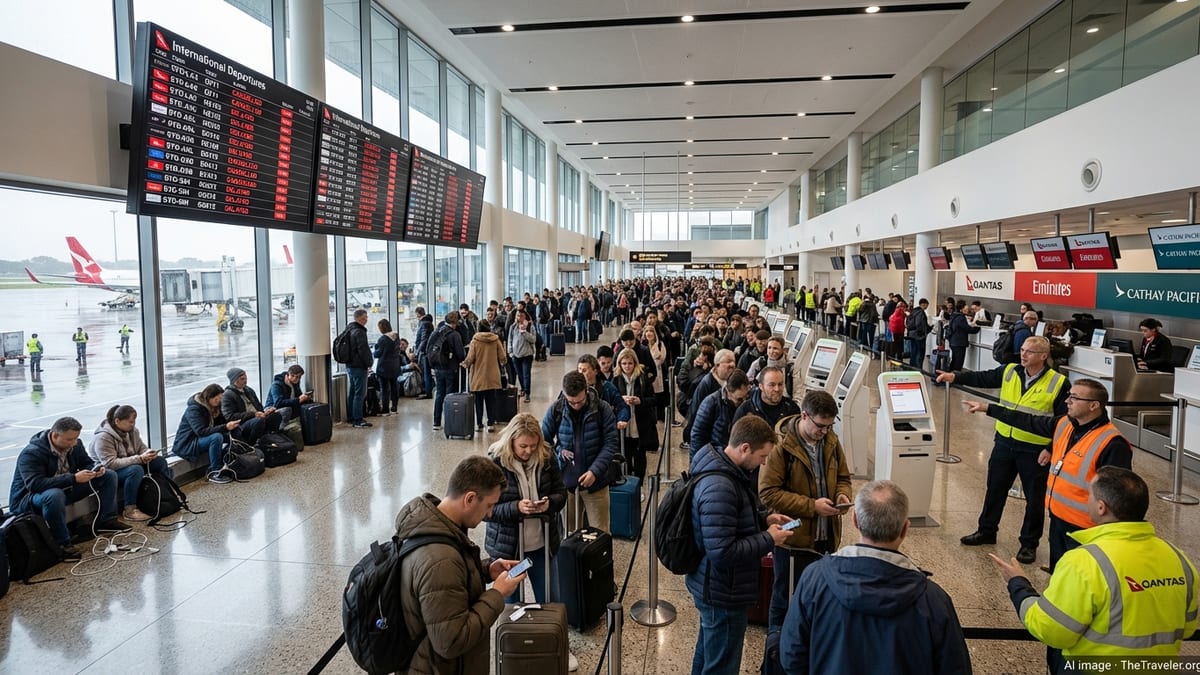
Major Hubs From Toronto to Halifax Feel the Impact
Flight status boards at Toronto Pearson, Montreal Trudeau and Halifax Stanfield showed a growing number of cancelled and late departures through the morning and early afternoon, reflecting ripple effects across domestic and regional networks. The latest tallies from live tracking services point to 69 cancelled flights and 142 delayed services involving multiple airlines, from large national carriers to northern and regional operators.
Toronto and Montreal appeared to bear the brunt of the disruption, with busy shuttle corridors between the two cities among the affected routes. Ottawa reported a series of schedule changes as well, while Halifax and secondary Ontario airports serving communities around Barrie experienced knock-on effects as aircraft and crew were repositioned.
Publicly available airport and tracking data suggest that the majority of affected flights were short-haul domestic services, where airlines have some flexibility to consolidate passengers on later departures or reroute them via alternative hubs. Even so, the volume of changes left many travelers facing extended waits, missed connections and last-minute rebooking.
At Toronto Pearson, some airlines responded by substituting larger aircraft on high-demand routes in an effort to absorb passengers from multiple cancelled frequencies. Similar patterns were visible in Montreal and Ottawa, as carriers sought to stabilize schedules while operating with tighter capacity.
Multiple Airlines Grapple With Operational and Cost Pressures
The disruption comes as Canadian airlines continue to navigate a challenging operating environment marked by elevated jet fuel prices, evolving route networks and growing scrutiny of service reliability. Recent publicly reported developments show both Air Canada and WestJet trimming or suspending certain routes, while regional partners such as Jazz and WestJet Encore adjust capacity and schedules to match demand.
Regional and northern provider Inuit, along with other specialty carriers, has also highlighted weather sensitivity and infrastructure constraints in remote communities, which can quickly cascade into broader schedule disruptions when conditions deteriorate. Published advisories from some northern airlines in recent months have underscored how even localized storms can force multiple cancellations in a single day.
Industry analysts note that smaller regional fleets have less slack to recover when aircraft or crews are out of position. When operations are tightly scheduled, a line of thunderstorms over southern Ontario or low visibility in Atlantic Canada can translate into rolling delays that affect not only major hubs such as Toronto, Montreal, Ottawa and Halifax, but also smaller cities like Barrie that depend on feeder traffic.
The pattern of 69 cancellations and 142 delays recorded today fits into a broader trend of periodic disruption spikes that have characterized recent seasons, as airlines balance high demand with constrained resources and ongoing cost pressures.
Weather, Congestion and Tight Turnarounds Combine
While no single nationwide disruption trigger was immediately evident, operational data and recent advisories point to a familiar set of factors driving the latest wave of cancellations and delays. Weather systems moving across central and eastern Canada can disrupt takeoff and landing windows, especially during peak morning and evening banks when airspace and runways are already congested.
Short-haul routes linking Toronto, Montreal, Ottawa and Halifax are particularly vulnerable to compounding delays. A departure that pushes back late from one airport often arrives behind schedule at the next, compressing turnaround times and leaving crews with little margin for recovery. When this pattern repeats across several flights, carriers may elect to cancel individual sectors, consolidate passengers and reset the operation later in the day.
Regional airports that serve as feeders, including those near Barrie and other smaller centers, typically rely on a limited number of daily flights. When a single rotation is cancelled, travelers can face long waits for the next available seat, especially if aircraft on subsequent departures are already heavily booked. This dynamic can make even a modest number of cancellations feel acute for affected communities.
Air traffic control initiatives designed to manage congestion, such as flow restrictions and ground holds during periods of low visibility or strong winds, can further slow operations. These measures help maintain safety margins but often contribute to the accumulation of delays that travelers see on departure boards.
Knock-On Effects for Passengers Across the Country
For passengers, the immediate consequences of today’s disruptions included missed business meetings, interrupted vacation plans and unexpected overnight stays. Travelers connecting through Toronto, Montreal, Ottawa or Halifax faced particular challenges if their onward flights operated from different terminals or involved separate tickets, which can complicate rebooking.
Public resources from airlines and airports advise affected passengers to monitor flight status frequently, use mobile apps for same-day rebooking where available and arrive at airports earlier than usual during periods of widespread disruption. Some carriers have also outlined “rescue” or recovery flights in previous disruption events, adding extra sections or upgauging aircraft on busy routes once weather and operational conditions improve.
Canada’s air passenger protection framework sets out specific obligations for carriers in cases of delay and cancellation, including assistance such as food vouchers and accommodation in some circumstances. However, eligibility can vary depending on the cause of disruption, whether it is deemed within the airline’s control or related to weather and air traffic constraints, and whether passengers accept alternative travel arrangements.
Consumer advocates often recommend that travelers keep documentation of delays, cancellations and out-of-pocket expenses, as well as any written communication from airlines, to support later claims. In large multi-airline disruption events like today’s, processing times for refunds and compensation can be extended as carriers work through a higher-than-normal volume of requests.
What Travelers Should Watch in the Coming Days
Although many of today’s cancellations and delays are expected to be resolved within the current operating cycle, publicly available information suggests that some knock-on effects may linger into subsequent days. Aircraft and crews displaced by earlier disruption can remain out of position, leading to schedule adjustments as airlines seek to rebuild normal rotations.
Travelers with upcoming flights through Toronto, Montreal, Ottawa, Halifax or regional points such as Barrie are being urged through airline advisories and airport communications to check their flight status repeatedly in the 24 hours before departure, and again on the day of travel. Same-day schedule changes remain possible if weather systems intensify or if operational recovery takes longer than expected.
Analysts indicate that continued volatility in jet fuel prices and tight capacity planning across Canadian carriers may keep pressure on on-time performance through the busy summer travel period. Airlines including Air Canada, Jazz, Inuit, WestJet Encore and other regional partners are expected to continue fine-tuning schedules, retire underperforming routes and add capacity on core corridors in an attempt to improve reliability.
For now, the 69 cancellations and 142 delays recorded today highlight how interconnected Canada’s air network has become, and how challenges at major hubs quickly translate into tangible disruption for travelers from large cities to smaller communities.