


More news on this day
British holidaymakers are being urged to rethink trips to Iraq and Pakistan after updated UK guidance highlighted a heightened risk of terrorist attacks and wider insecurity affecting visitors.
Get the latest news straight to your inbox!
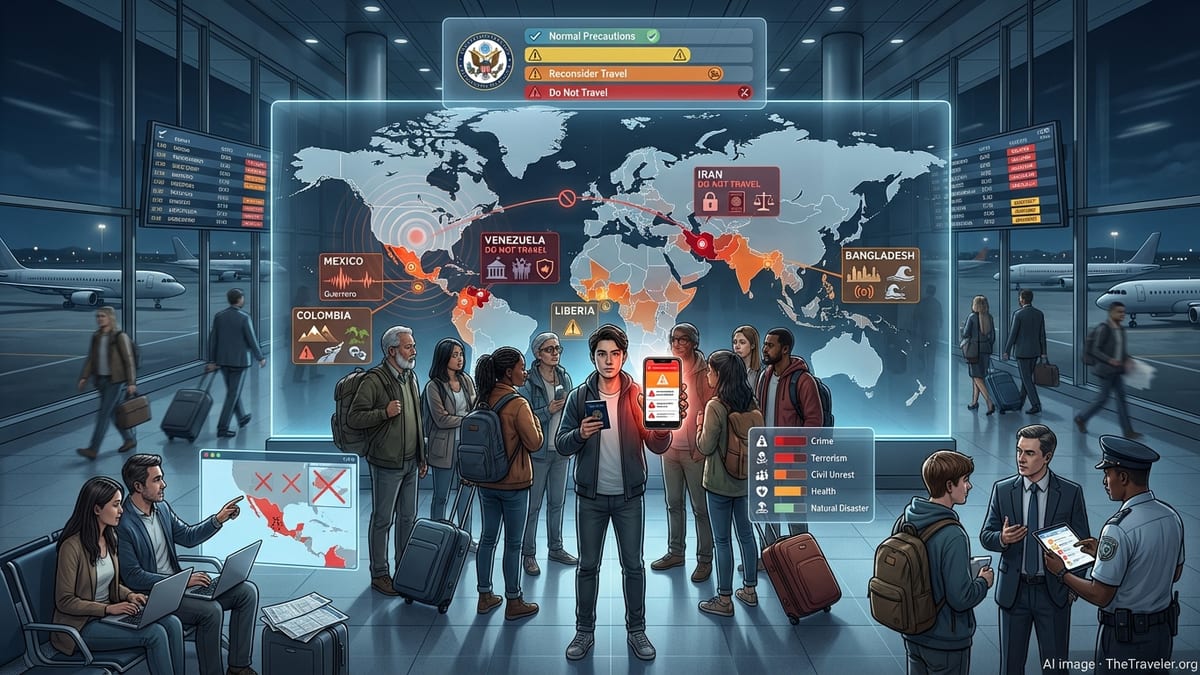
Heightened alerts single out Iraq and Pakistan
Recent updates to the United Kingdom’s official foreign travel advice have drawn renewed attention to security risks in Iraq and Pakistan, with both countries flagged for the potential of terrorist attacks affecting British nationals. Publicly available information on the UK government’s travel advice pages indicates that Iraq is subject to some of the strictest warnings, while multiple regions of Pakistan are also classed as high risk for visitors.
The Foreign, Commonwealth and Development Office (FCDO) advises against all travel to many parts of Iraq, and against all but essential travel to others, due to what it describes as a very volatile security situation and the ongoing risk of attacks. In Pakistan, the FCDO outlines a patchwork of restrictions, advising against all travel to certain border areas and against all but essential travel to other regions where militants and criminal groups are active.
While the guidance is not a blanket ban on travel for UK citizens, it acts as a strong signal that standard holiday trips to affected areas are considered unsafe. The warnings also have practical consequences, as many travel insurers will not provide cover for journeys that go against official advice.
Both Iraq and Pakistan have long featured on government advisory lists, but the latest updates emphasise the continued concern that British nationals could be caught up in attacks aimed at security forces, local populations or foreign interests.
What the UK travel advice says about Iraq
According to the Iraq section of the UK’s foreign travel advice, the overall security environment remains fragile, with a high threat of terrorism and frequent incidents targeting both government and civilian locations. The guidance notes that attacks can occur across the country, including in areas that may previously have been seen as relatively stable.
British travellers are warned that routes between major cities, oil infrastructure, and other strategic sites have all been affected by past incidents. The advisory material indicates that militant groups retain the capability to launch bombings, rocket or drone strikes, and complex assaults that can impact bystanders and disrupt essential services such as transport and aviation.
The FCDO’s published information also underlines that foreign nationals, including Western visitors, have previously been targeted for kidnap or opportunistic crime in Iraq. It stresses that the UK government’s capacity to provide consular support is limited in parts of the country where officials cannot operate safely.
Travel specialists note that, even in the northern Kurdistan region, which has at times been marketed as more accessible, the official UK position remains cautious. Tour operators that do arrange trips to Iraq typically require clients to accept stringent security protocols and to understand that itineraries may change at short notice in response to emerging threats.
Why parts of Pakistan are under increased scrutiny
Pakistan’s travel advisory paints a more varied picture, but again highlights the risk of terrorist attacks in specific provinces and districts. Publicly available FCDO guidance points to the long-running presence of extremist and separatist groups in areas such as Balochistan and parts of Khyber Pakhtunkhwa, where incidents have included bombings, shootings and attacks on critical infrastructure.
In recent years, international media have reported on high-profile attacks that prompted renewed security operations and curfews in some Pakistani cities. Analysts cited in open-source coverage note that while many visits to major urban centres pass without issue, there remains a concern that crowded places frequented by foreigners, including hotels, transport hubs and religious or cultural sites, could be selected as targets.
The UK advice also encourages travellers to consider the wider impact of unrest or political tension, which can lead to road closures, sudden demonstrations and restrictions on movement. Night-time travel by road in higher-risk areas is discouraged, with the guidance highlighting previous ambushes and roadside attacks on both civilian and security convoys.
For British nationals with family links to Pakistan, the warnings can pose particular dilemmas, as routine visits to home towns or rural districts may fall within zones where all but essential travel is discouraged. Travel planners generally recommend checking not just the national rating, but also the district-by-district breakdown before finalising any itinerary.
Implications for British tourists and travel insurance
The UK’s foreign travel advice is not legally binding on individual travellers, but it heavily influences how airlines, tour operators and insurers view particular destinations. Industry guidance indicates that most mainstream package holiday providers do not offer leisure trips to areas that are subject to “do not travel” style warnings because of the potential liability if customers are harmed.
Travel insurance policies commonly exclude cover for any part of a journey that goes against official FCDO advice. This can leave British visitors personally exposed to the cost of medical treatment, evacuation or cancellations if they decide to travel regardless of the warnings. Specialist high-risk travel policies do exist, but providers typically require detailed risk assessments and charge substantially higher premiums.
Consumer organisations advise that UK residents planning complex itineraries through the Middle East or South Asia should read the small print of their insurance policies to verify how regional exclusions and terrorism clauses are applied. Travellers are also encouraged to monitor advisory changes in the weeks leading up to departure, as ratings can shift rapidly following major incidents.
For many would-be tourists, these practical constraints mean that visiting countries with a clear risk of attacks becomes less a matter of personal choice and more a question of what is logistically and financially feasible once insurance and transport options are taken into account.
Balancing security risks with demand for travel
Despite the warnings, there remains a niche but persistent demand for travel to Iraq and to parts of Pakistan, driven by business, humanitarian work, religious tourism and diaspora connections. Travel industry observers say that some British visitors continue to make trips for family reasons or to access holy sites, often relying on local contacts and bespoke security arrangements.
Security analysts point out that the perceived risk for individual travellers can vary significantly depending on the purpose of the visit, routes taken and time spent in higher-risk areas. However, they also note that the nature of terrorist attacks means they can be difficult to predict and may be designed to generate maximum publicity by targeting foreigners and symbolic locations.
Within the UK, the government’s travel advisories form part of a broader effort to manage the risk to British nationals overseas without completely halting international mobility. Public messaging generally encourages people to stay informed, maintain a low profile in sensitive locations and be prepared to change plans quickly if the local situation deteriorates.
For now, the advice regarding Iraq and Pakistan serves as a reminder that, even as many destinations welcome rising numbers of British visitors, some countries still present security challenges that require more cautious planning and a clear understanding of the potential consequences of travel.