


More news on this day
Carnival Cruise Line is quietly retiring a now-infamous buffet fork from service after viral videos showed a passenger using the utensil to scrape dead skin from the bottom of her bare foot, prompting widespread disgust and renewed debate over hygiene on mass-market cruise ships.
Get the latest news straight to your inbox!
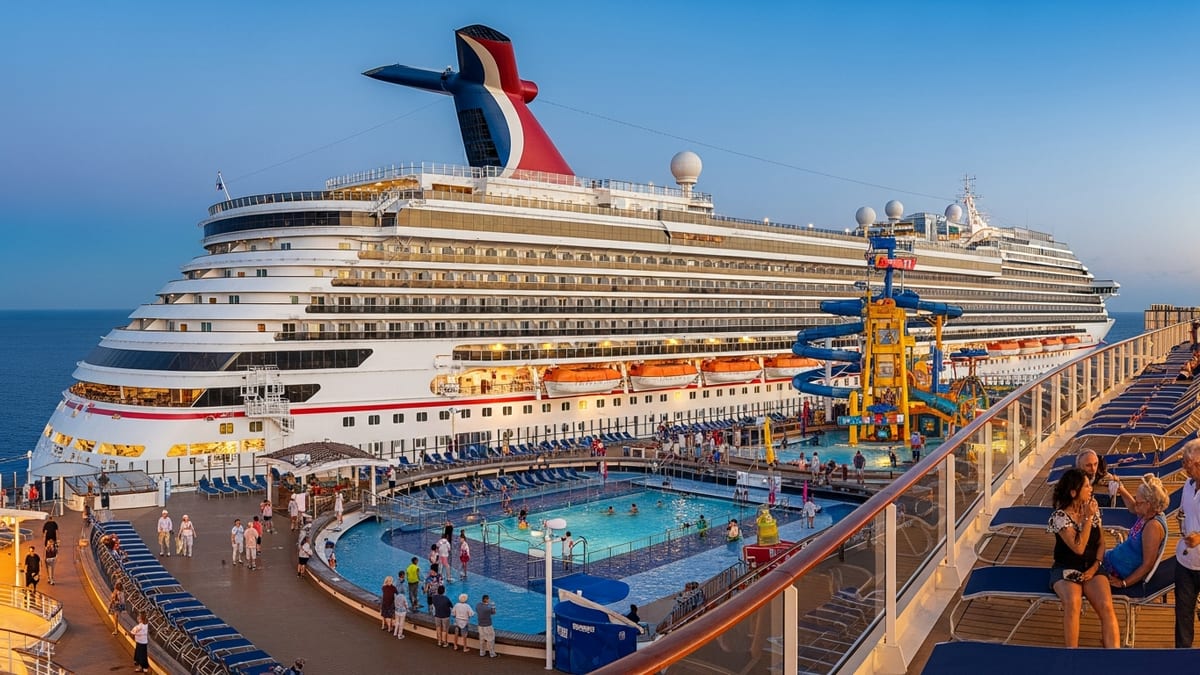
Viral “Foot-Fork” Video Sparks Global Backlash
The footage, filmed aboard the Carnival Sunrise and widely reshared on TikTok, Instagram and X, shows a woman seated in a public dining area using a standard metal buffet fork to aggressively scratch the sole of her foot while continuing to eat. Viewers quickly zeroed in on flakes of skin visible in the clip, with many social media users describing the scene as one of the most stomach-turning cruise images they had ever seen.
Within days, the clip amassed tens of millions of views across platforms and ignited a flurry of commentary about cruise ship etiquette. Online discussions ranged from disgust at the individual passenger’s behavior to broader questions about how communal utensils are cleaned and monitored on high-capacity ships.
Publicly available coverage indicates that, once the incident was reported on board, crew members removed the fork involved from circulation. The move did little to slow the story’s momentum, as the utensil quickly became a symbol for what many travelers see as the worst side of budget cruising.
As the video spread, memes and parody posts began circulating, cementing the “foot-fork” as a piece of cruise internet lore. For Carnival, the challenge shifted from managing a single guest’s behavior to steering a brand conversation increasingly fixated on one contaminated piece of cutlery.
Carnival Moves To Retire the Notorious Utensil
In the wake of the uproar, travel industry reports indicate that Carnival opted to permanently retire the specific fork involved in the incident, rather than risk returning it to service even after commercial sanitization. While a single fork represents an insignificant asset on a ship built to serve thousands of meals a day, its symbolic value had grown outsized almost overnight.
The retirement decision reflects how small onboard objects can take on disproportionate meaning in the age of viral video. A standard buffet fork, indistinguishable from thousands of others just days earlier, was suddenly recognized and reviled by online audiences around the world. Removing it from circulation served more as a gesture to public sentiment than a practical health measure.
Carnival’s handling of the utensil also illustrates how cruise lines increasingly treat physical items implicated in headline-grabbing incidents. Travel and cruise media have documented similar retirements of cabin furnishings, signage and even decorative artwork when those items became associated with high-profile episodes at sea.
In this case, the fork’s exit from service allows the company to frame the episode as closed, even as the video continues to circulate. The retired utensil joins a growing catalog of seemingly mundane cruise artifacts that have been quietly taken out of use after gaining unwanted notoriety.
Hygiene Protocols Under the Microscope
Beyond the social media spectacle, the “foot-fork” incident revived scrutiny of how cruise operators handle shared utensils and buffet service. Publicly available information on mainstream cruise sanitation practices describes industrial dishwashing systems that operate at high temperatures, along with strict procedures for cycling cutlery and serving ware through cleaning between uses.
Health experts cited in broader cruise coverage generally emphasize that such systems are designed to remove both food residue and potential pathogens. From that standpoint, a single fork used improperly by one passenger would not normally represent a systemic threat once it has passed through proper sanitization.
However, perception often carries as much weight as technical reality in travel. For many would-be guests, the idea of eating from a fork that had previously been used for foot care felt viscerally unacceptable, regardless of how thoroughly it might be washed afterward. The intensity of public reaction suggests that travelers increasingly scrutinize visible hygiene behaviors from fellow guests as much as they do official protocols.
In response to similar concerns on past voyages, cruise brands have already moved to adjust buffet formats, add more staff-attended serving stations and install additional handwashing and sanitizer points at dining entrances. The latest uproar is likely to add momentum to those efforts, particularly on ships that carry thousands of passengers in shared venues.
Reputation Management in the Age of Cruise Virality
The retired fork episode comes as Carnival continues to navigate an era in which minor onboard moments can swiftly escalate into global talking points. In recent years, social media users have amplified everything from dining-room disputes to poolside brawls, often framing these scenes as shorthand for the overall cruise experience.
Travel analysts note that Carnival remains one of the world’s largest cruise operators, carrying millions of guests annually. In that context, isolated incidents are statistically inevitable. Yet the combination of camera phones and always-on connectivity means those incidents now unfold in public view, shaping perceptions well beyond the passengers who witness them firsthand.
Industry observers point out that Carnival and its competitors increasingly lean on humor and self-awareness when responding to viral moments, positioning themselves as in on the joke while still stressing that certain behaviors are unacceptable. The careful retirement of the infamous fork fits that pattern, balancing lighthearted brand messaging with a tangible, if symbolic, corrective action.
While the utensil itself will never serve another buffet line, the images it generated are likely to linger in the collective imagination of cruise fans and skeptics alike. For travelers weighing a future booking, the story underscores an enduring truth of mass-market cruising: the onboard experience is shaped as much by fellow passengers as by the ship and its crew.