


More news on this day
A bicyclist struck and killed by a southbound Tri-Rail train in Lake Worth Beach has been publicly identified, as new details emerge about the circumstances of the deadly morning collision and the broader safety challenges along Florida’s busy rail corridor.
Get the latest news straight to your inbox!
Collision Near Downtown Lake Worth Beach
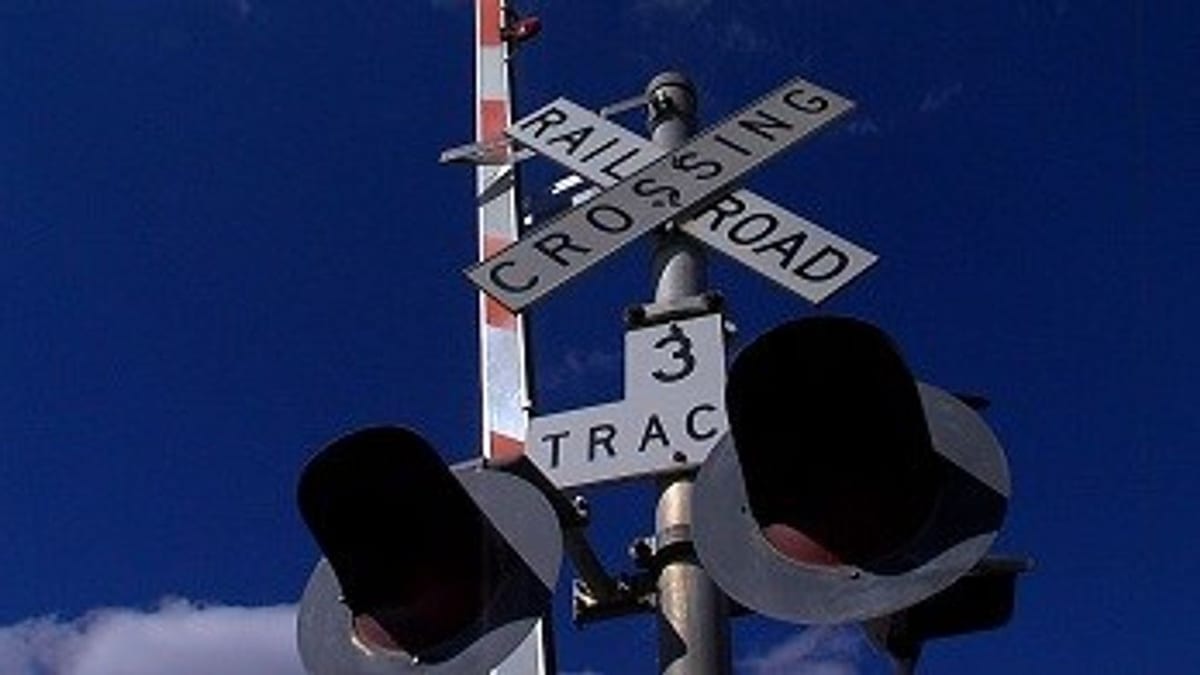
Recent reports indicate that the fatal crash occurred Friday morning along the Tri-Rail corridor in Lake Worth Beach, a coastal city in central Palm Beach County. The collision took place near a street-level rail crossing, a familiar sight in the compact downtown area where tracks run close to homes, small businesses, and neighborhood streets.
Publicly available information shows that the southbound commuter train was traveling through the city during the morning commute period when it struck the bicyclist on or near the crossing. Initial summaries describe a chaotic scene, with rail traffic brought to a standstill while investigators documented the crash and nearby roads were temporarily closed.
According to published coverage, emergency responders pronounced the cyclist dead at the scene. The incident adds to a series of recent train-related fatalities across South Florida, underscoring the risks faced by people walking or cycling near active tracks in densely populated areas.
For Lake Worth Beach, which markets itself as a walkable and bike-friendly community, the collision highlights the tension between everyday mobility and the presence of a high-frequency rail line that cuts directly through residential and commercial districts.
Victim Identified as Local Man
Newly released information from public records and local news coverage identifies the victim as an adult male bicyclist who lived in Palm Beach County. His name and age have been made public in regional reporting, following the notification of family members.
Reports indicate that the cyclist was riding a standard bicycle rather than an electric bike at the time of the collision. He was traveling in the vicinity of the crossing when the train approached, although investigators are still piecing together his exact movements in the moments before impact.
Preliminary reconstruction efforts described in published accounts suggest that the cyclist and train entered the crossing area nearly simultaneously, leaving little time or space to avoid a collision. Rail safety protocols require trains to sound their horns and maintain a clear right of way, and early descriptions of the crash indicate those procedures were in place.
As is typical in fatal traffic cases, a more detailed report is expected once investigators review any available camera footage, witness statements, and data from the train. At this stage, there has been no public indication of criminal charges, and the focus appears to remain on determining the sequence of events and any contributing factors.
Rail Safety Concerns Along the South Florida Corridor
The Lake Worth Beach collision comes amid ongoing concern about train-related deaths across the South Florida rail network, including both Tri-Rail and Brightline services. Publicly available crash summaries and media coverage from recent years point to a pattern of fatalities involving pedestrians and cyclists at or near street-level crossings in coastal cities from Miami to the Treasure Coast.
Transportation studies prepared for the region highlight several recurring risk factors: frequent trains, densely developed neighborhoods built close to the tracks, and a mix of road users that includes drivers, cyclists, and people on foot. In areas such as Lake Worth Beach, where the rail line runs within walking distance of downtown and the oceanfront, crossings are heavily used by residents, workers, and visitors heading to the beach or local businesses.
Past planning documents for Lake Worth Beach and Palm Beach County have called for additional safety measures at high-risk crossings, such as improved signage, upgraded warning lights, better pavement markings, and physical barriers designed to discourage people from entering the tracks when gates are down. Some crossings along the corridor have already received enhancements, while others are still under review.
Advocates for safer streets argue that cities with strong walking and biking cultures need infrastructure that anticipates human error, particularly near fast-moving trains. They note that even a brief lapse in judgment or a moment of distraction at a rail crossing can have catastrophic consequences, especially where trains approach at higher speeds.
Impact on Local Mobility and Visitor Experience
Lake Worth Beach depends heavily on visitors who arrive by car, bus, or train to reach the city’s oceanfront park, municipal pier, and historic downtown. The Tri-Rail line is an important part of that mix, providing regional access from Miami, Fort Lauderdale, and other South Florida cities. A deadly collision on the tracks not only represents a profound human loss but also disrupts travel for commuters and leisure travelers alike.
Published accounts of the incident describe extended delays to rail service following the crash, with trains held in place while investigators documented the scene. Road closures around the crossing added to congestion on nearby streets, affecting people driving to the beach, local hotels, and restaurants.
For visitors unfamiliar with the area, the incident is a stark reminder that the rail line is an active transportation corridor intersecting everyday travel routes. Travel advisories for the region frequently emphasize the importance of obeying crossing signals, avoiding attempts to beat trains through the gates, and never entering the tracks when warning bells and lights are active.
Local tourism and hospitality businesses often promote Lake Worth Beach’s walkability and cycling routes as an asset. Incidents of this kind may prompt renewed attention to how visitors navigate between downtown, lodging, and the waterfront, particularly at locations where foot and bike traffic converge at rail crossings.
Ongoing Investigation and Safety Messaging
According to publicly available information, the collision remains under active investigation, with a final report expected to clarify factors such as train speed, signal operation, cyclist position, and visibility conditions at the time of the crash. Toxicology testing and a review of any on-board cameras or nearby surveillance footage are standard elements of this process.
In the meantime, rail and transportation agencies in South Florida continue to promote safety campaigns that target both drivers and people on bikes or on foot. Common messages urge travelers to treat all tracks as active at all times, heed lowered gates and flashing lights, and avoid distractions such as headphones or mobile phones when approaching crossings.
Lake Worth Beach’s experience is part of a broader conversation about how coastal cities can support car-free and low-impact travel while managing the risks associated with high-speed rail lines. Planners and advocates often point to engineering upgrades, public education, and consistent enforcement of crossing rules as complementary tools for reducing future collisions.
As the community absorbs the loss of the cyclist killed in the Lake Worth Beach crash, attention is likely to focus on whether additional safeguards or design changes could better protect people who choose to walk or ride a bicycle in one of South Florida’s most transit-accessible beach towns.