


More news on this day
Travelers at Indianapolis International Airport faced mounting disruption on Monday as 33 departures and arrivals were delayed and 7 were canceled, snarling domestic routes and stranding passengers on one of the summer travel season’s busiest weeks.
Get the latest news straight to your inbox!
Operational Snarl Hits Major U.S. Carriers
Publicly available flight-tracking data on Monday showed a broad cross section of airlines affected at Indianapolis International Airport, with disruptions cutting across large network carriers and low-cost operators. The impact was felt on services operated under the brands of Southwest, American Airlines, Delta, United and Allegiant, among others, as regional affiliates feeding these networks struggled to keep schedules intact.
Reports from aviation tracking platforms indicate that many of the delayed and canceled flights were operated by regional partners that fly smaller jets on behalf of the major airlines. Earlier in the day, data tied to Indianapolis highlighted elevated disruption levels for carriers such as Republic Airways, PSA Airlines and Endeavor Air, which connect Indianapolis to major hubs. Those knock-on effects filtered directly into the mainline schedules that many travelers see on departure boards under the large carrier names.
The 33 delays and 7 cancellations recorded through the day represent a relatively small fraction of Indianapolis’ overall schedule, but they were concentrated in peak travel windows when aircraft and crews are heavily utilized. That timing amplified the impact, as even short delays triggered missed connections, misaligned aircraft rotations and extended waits for passengers already in transit.
Indianapolis International, generally regarded as a mid-sized airport with solid on-time performance, has nonetheless been exposed to the broader fragility of the U.S. air travel system during periods of heavy summer demand. With airlines operating close to capacity, small operational shocks can quickly cascade into wider disruption, particularly when several carriers are simultaneously affected.
Key Domestic Routes to Major Hubs Affected
The wave of delays and cancellations was felt most sharply on Indianapolis links to some of the country’s busiest hubs. Monitoring of departure boards and flight-status tools showed disruptions on routes to Atlanta, Chicago, Dallas, Denver, Orlando and New York, cities that serve as primary connecting points for travelers heading to destinations across the United States.
Flights between Indianapolis and Atlanta and Chicago were among those flagged with longer-than-normal delays, with some services repeatedly pushed back as aircraft and crew availability shifted through the day. These routes feed into two of the nation’s most heavily trafficked hubs, where separate weather and volume challenges were already stretching available capacity and contributing to rolling congestion.
Routes to Dallas and Denver also saw scattered cancellations and schedule changes, reflecting how pressure at large connecting hubs quickly radiates outward across airline networks. Delays on earlier inbound legs created tight crew duty windows and aircraft positioning issues, which in some cases resulted in last-minute cancellations from Indianapolis when operational limits could not be extended further.
Leisure-heavy services to Orlando and New York bore part of the brunt as well, especially when aircraft earmarked for those markets arrived late from other parts of the country. The mix of business, connecting and holiday travelers on these flights meant that disruption at Indianapolis had a disproportionate impact on families and groups traveling on fixed itineraries for vacations and events.
Weather, Network Strain and Regional Feed Under Scrutiny
The Indianapolis disruption unfolded against a backdrop of broader national challenges. Separate coverage of U.S. aviation on Monday pointed to storms and unsettled weather impacting major hubs, including in the Southeast and Texas, where ground-delay programs and reduced arrival rates prompted airlines to slow their operations. Those constraints at large hubs tend to ripple through the system, especially on days with already high volumes.
When hub airports reduce the number of flights allowed to land or depart each hour, airlines often respond by trimming or delaying shorter regional legs first. Industry analysis frequently notes that regional operators, which link mid-sized cities such as Indianapolis to large hubs, are especially vulnerable to sudden schedule adjustments because they operate tight rotations with limited spare aircraft.
In addition to weather, the intricate web of crew scheduling and maintenance requirements continues to pose challenges. Publicly available policy information from major carriers shows that they must balance legal crew duty limits, aircraft inspections and gate availability when deciding whether to hold a flight for incoming connections or cancel it outright. On busy summer days, a late-arriving aircraft or crew can be enough to unravel multiple subsequent departures.
Recent federal data on U.S. airline performance also underline how delays and cancellations tend to spike in the summer months as traffic peaks. Even in years with relatively stable operations, June and July typically record a higher percentage of late or canceled flights compared with shoulder seasons, reflecting the thinner margins for error built into airline schedules during these periods.
Passenger Experience at Indianapolis: Long Queues and Limited Options
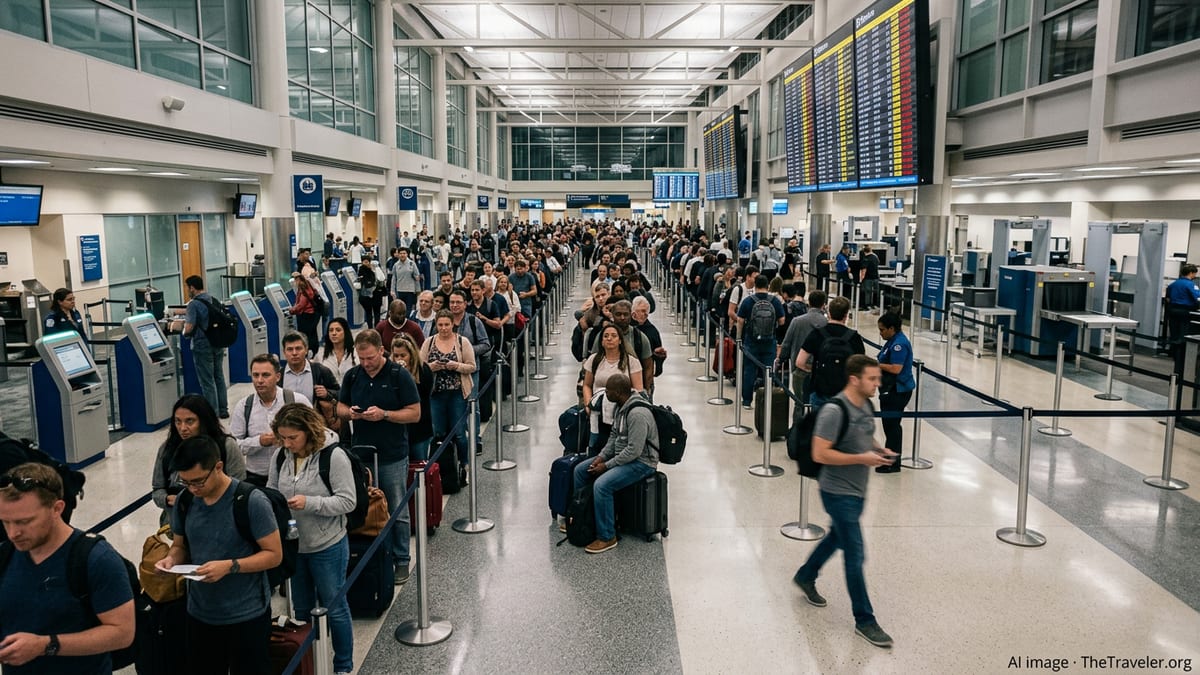
By midday, the disruption at Indianapolis translated into longer check-in lines, crowded gate areas and busy customer service counters, as travelers sought rebooking options and information on their journeys. With popular routes to major hubs affected, many passengers reported extended connection times or complete itinerary overhauls as they were shifted onto later flights or alternative routings.
Published consumer guidance for flight disruptions suggests that options for affected travelers vary significantly depending on the cause of the delay or cancellation and the policies of each airline. In general, when flights are canceled or significantly changed for operational reasons within a carrier’s control, passengers are typically entitled to rebooking at no additional cost or a refund of the unused portion of their ticket.
When weather is a contributing factor, airlines often retain more discretion in the assistance they provide. While many carriers may offer meal vouchers, hotel discounts or travel credits in certain circumstances, those measures are not uniform and are usually evaluated on a case-by-case basis. Some travelers at Indianapolis faced the prospect of overnight stays or long layovers with limited guaranteed support beyond rebooking.
The timing of the disruptions posed additional challenges for those traveling with children or on tight schedules for work, medical appointments or events. With seats scarce on later services to key hubs, particularly to morning bank flights the following day, some travelers found that the most practical alternatives involved routing through secondary airports or accepting lengthy connections that stretched total travel time well beyond original plans.
Broader Implications for Summer Travel Through Indianapolis
The day’s disruptions at Indianapolis International highlight the vulnerabilities in the U.S. domestic air network as the peak summer season intensifies. Even a relatively modest number of delays and cancellations at a single mid-sized airport can have outsized effects on travelers when they intersect with strained operations at larger hubs and tight national capacity.
Indianapolis plays an important role as a connecting point in the Midwest and as a spoke feeding into major airline networks. The issues seen on Monday suggest that travelers using the airport in the coming weeks may benefit from additional planning, including leaving wider buffers for connections, traveling earlier in the day when possible and monitoring flight status closely in the 24 hours before departure.
Nationally, transportation statistics and recent travel coverage show that irregular operations have become a recurring feature of the post-pandemic travel landscape, particularly during peak periods. Airlines have added capacity to meet strong demand, but infrastructure, staffing and weather resilience have not always kept pace, leaving less slack in the system when complications arise.
As carriers and regulators continue to refine schedules, staffing levels and operating procedures, days like Monday at Indianapolis serve as a reminder of how quickly localized disruptions can spread across airline networks. For travelers, the experience underscores the value of flexible bookings, travel insurance tailored to delays and cancellations, and contingency plans for key trips during the busiest weeks of the year.