


More news on this day
Dozens of airline passengers across Europe have reported being left stranded at airports in recent weeks, claiming their flights departed without them after lengthy delays at security and passport control made it impossible to reach the gate in time.
Get the latest news straight to your inbox!
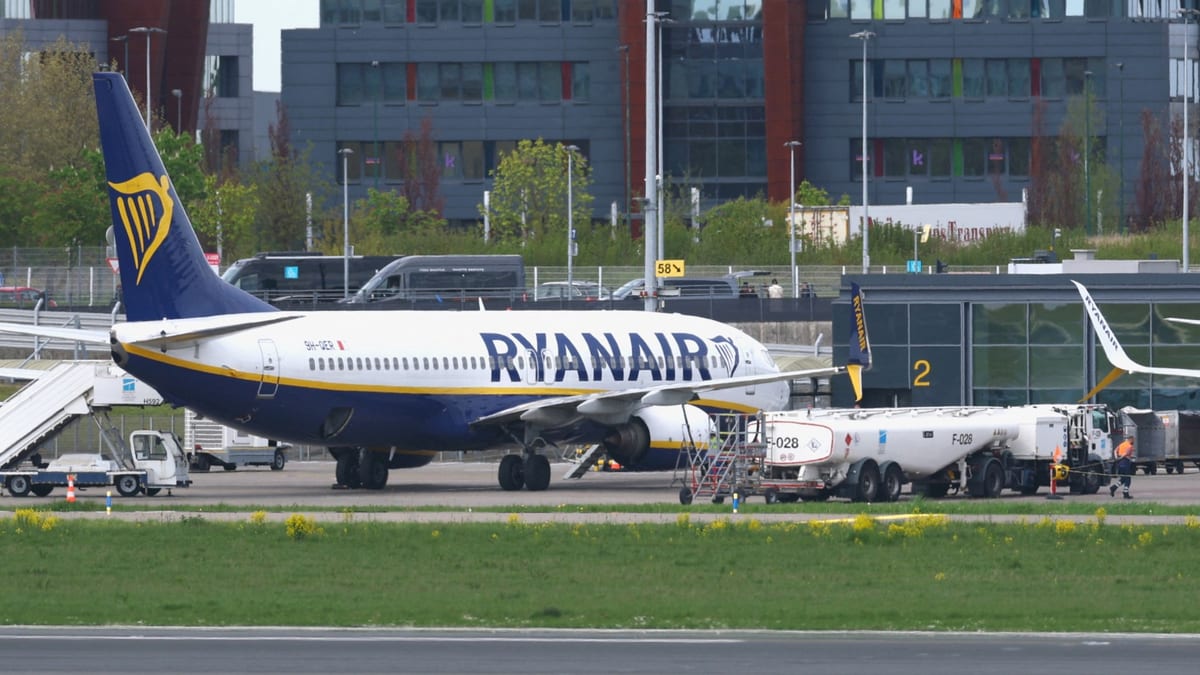
Latest Incident Sees Dozens Left Behind as Aircraft Departs
Recent coverage highlights a series of incidents in which groups of passengers, in some cases numbering in the dozens, have watched their aircraft depart while they were still trapped in airport bottlenecks. Reports from Manchester and French regional airports in April 2026 describe passengers who had checked in and, in some cases, cleared initial security screening, only to be delayed further in tightly controlled areas such as stairwells or additional screening points.
In one widely discussed case involving a flight from Manchester to Alicante, travel-law observers report that around 35 passengers were unable to board after being held in a stairwell near the departure gate during a security-related holdup. By the time they were released back into the terminal, the aircraft had already taken off, with their checked luggage still on board, leaving families and holidaymakers scrambling for rebooking options.
A separate report from France describes a Ryanair service at Vatry Airport where operations staff chose to dispatch the aircraft without most of its passengers after an acute shortage of security personnel made it impossible to process the full load before the scheduled departure time. Publicly available information indicates that some 190 passengers were left behind, underscoring how fragile the balance has become between tight timetables and ground operations that depend on fully staffed security checkpoints.
While each incident has its own local context, the common thread for affected travelers is a sense of shock at seeing an on-time aircraft leave the stand while large groups of ticketed passengers remain stuck behind security barriers they are not allowed to bypass.
Security and Border Control Bottlenecks Under Scrutiny
These confrontations between operational punctuality and passenger access are unfolding against a wider backdrop of strain on airport security and border control systems. In parts of Spain, Ireland and other popular leisure markets, local press coverage has pointed to chronic staffing gaps and surges in passenger numbers that quickly overwhelm passport control, particularly at peak holiday times.
A previous incident at Lanzarote Airport, in which more than 60 Ryanair passengers heading to Ireland were left behind after passport control delays, is seen by aviation commentators as an early warning. In that case, reports indicate that long queues at border control meant scores of passengers did not reach the gate before boarding closed, even though they had arrived at the airport in what they considered to be good time. The carrier later characterized the disruption as a consequence of border processes beyond its control.
More recently, the roll-out of the European Union’s new biometric Entry/Exit System has intensified scrutiny. At Milan Linate, travel industry coverage describes more than 100 UK travelers missing an easyJet flight to Manchester earlier in April after biometric registration and passport checks produced multi-hour queues. Passengers who had already checked in and passed standard security screening reported being effectively trapped in border-control lines as their flight boarded and departed without them.
Experts following the implementation of new border technology note that combining biometric capture with traditional document checks can dramatically slow processing unless staffing and infrastructure are expanded in parallel. When that does not happen, travelers can find that the most unpredictable part of their journey is no longer the flight itself but the time required to clear security and border checks.
Airlines Cite Operational Pressures as Passengers Demand Accountability
As these stories gain traction, the question of responsibility remains hotly debated. Airlines operate under tight departure slots, turnaround windows and crew duty limits, making prolonged delays costly and, at times, unviable without significant knock-on disruption. Public statements and past case histories suggest carriers frequently argue that security and passport control delays are the responsibility of airport operators or government agencies, and therefore fall under the category of extraordinary circumstances.
Passenger advocates counter that travelers buy tickets from airlines, not from security contractors or border agencies, and therefore expect the airline to coordinate with airport partners so that ticketed customers can reasonably reach the gate. When entire groups are left behind despite having arrived hours before departure, campaigners argue that something in the planning and communication chain has failed.
In several of the latest incidents, travelers have reported confusion and a lack of clear updates while waiting in controlled areas. Some accounts describe minimal or no public announcements about impending boarding deadlines, and little visible effort to identify passengers stuck at security who were booked on imminent departures. When they eventually emerged to find the gate closed and their flight already in the air, many said they were told to seek rebooking or compensation through standard customer service channels, often at additional cost.
Legal specialists note that European air passenger rights rules treat security and border control as external factors in many scenarios, limiting compensation in cases where airlines can demonstrate that such bottlenecks were outside their direct control. Nevertheless, consumer advisers emphasize that travelers may still be entitled to care, re-routing or refunds depending on the specific circumstances and the policies of the operating carrier.
Growing Frustration Fuels Calls for Better Coordination
The cumulative effect of these episodes is a noticeable rise in traveler frustration, particularly among families and leisure passengers who may have saved for months for a short holiday only to see it evaporate at the final checkpoint. Social media posts and interviews with local outlets frequently describe scenes of anger and disbelief as groups left in the terminal watch their aircraft taxi and depart without them.
Observers say such flashpoints are likely when communication is poor. Passengers delayed at security often have little visibility into whether their flight is being held, whether boarding time has been adjusted, or whether staff are attempting to retrieve them from the queue. In the absence of clear information, some assume that because they are already airside and their bags are checked, the departure will be delayed to accommodate them.
Airport planners and aviation analysts are increasingly calling attention to the need for real-time coordination between security checkpoints, border control, and airline operations. Proposals discussed in industry forums include dynamic priority lanes for passengers on imminently departing flights, automated alerts linking boarding systems with security queues, and clearer cut-off rules that are communicated to travelers at check-in as well as within queueing areas.
Without such measures, experts warn that pressure to maintain on-time performance will continue to collide with the physical limits of security infrastructure, creating more flashpoints where aircraft depart on schedule while frustrated passengers remain trapped behind barriers they cannot legally cross.
What Travelers Can Do as Summer Peak Approaches
With European summer travel approaching, consumer organizations are urging passengers to factor growing security and border pressures into their plans. Advice circulating in travel media includes arriving earlier than usual for flights that involve non-EU passport checks, avoiding tight connections through busy hubs where biometric systems are being introduced, and monitoring airport-specific reports about recent delays at security.
Some commentators recommend allowing additional buffer time after security purely for unexpected bottlenecks at secondary screening or passport control, particularly at leisure destinations that have seen a surge in visitor numbers. They also suggest that travelers document long delays, including photographs of queueing areas and timestamps, in case they later seek refunds or reimbursement for missed flights.
Despite the understandable anger of those left watching their planes depart without them, aviation specialists note that the broader picture is one of complex, interlocking systems struggling to keep pace with resurgent demand. Airlines, airports, security contractors and border agencies each control a piece of the journey, yet from the traveler’s point of view, all of these elements merge into a single experience.
Unless those stakeholders can improve coordination and transparency, however, scenes of furious passengers stranded in departure halls while their aircraft lift off overhead may continue to surface, becoming an unwelcome symbol of post-pandemic air travel’s growing pains.