


More news on this day
Hundreds of travelers across Türkiye are facing long waits, missed connections, and overnight airport stays after widespread disruption at Antalya, Istanbul, and Ankara resulted in 362 delayed flights and 15 cancellations affecting several major airlines.
Get the latest news straight to your inbox!
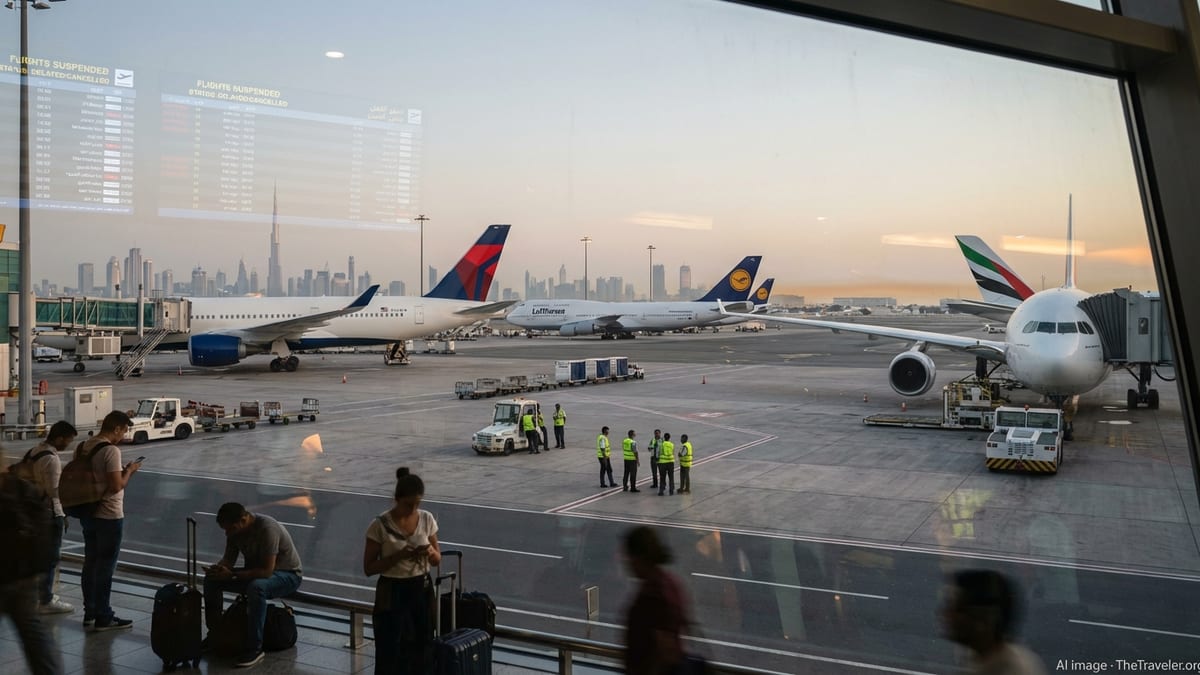
Major Hubs See Operations Severely Disrupted
The disruption has hit Türkiye’s three busiest airports, with Antalya, Istanbul, and Ankara all reporting significant schedule irregularities. Aggregated tracking data and local media reports indicate that a total of 362 flights have been delayed, with an additional 15 cancelled, as airlines struggle to keep operations on track at the start of the busy summer travel period.
Antalya, one of the country’s key holiday gateways, has been particularly affected, with delays rippling across inbound and outbound services linking the Mediterranean resort city to European and Middle Eastern markets. Istanbul’s two major gateways, Istanbul Airport and Sabiha Gökçen, are seeing departures held on the ground and arrivals pushed back, contributing to growing congestion within terminals.
In Ankara, Esenboğa Airport is also experiencing knock-on effects as late-arriving aircraft disrupt tightly timed domestic rotations. This has left passengers on internal routes facing extended waits for flights connecting the capital with coastal destinations and other regional centers.
While precise causes vary by flight, operational challenges, aircraft rotation issues, and tight scheduling across multiple hubs appear to be compounding, creating a cascading effect that has been difficult for carriers to absorb quickly.
Pegasus, Turkish, SunExpress, AJet, Air Algerie Among Hard-Hit Carriers
The disruptions are impacting a broad mix of full-service and low-cost airlines, including Pegasus Airlines, Turkish Airlines, SunExpress, AJet, and Air Algerie, along with several smaller operators. Publicly available tracking information shows delays stacking up on high-density domestic routes, such as Antalya to Istanbul and Antalya to Ankara, where Pegasus and AJet operate frequent services.
Turkish Airlines, the country’s flag carrier, is also contending with schedule pressure on both domestic and international routes that rely on tight connections through Istanbul. Even a relatively small number of cancellations can create significant knock-on impacts for passengers with onward long-haul travel, particularly during peak travel hours.
SunExpress, which operates a large leisure network linking Antalya and other Turkish resorts with European cities, appears exposed as late arrivals from Europe disrupt afternoon and evening departures back to Türkiye’s coastal hubs. For many travelers, this has meant hours spent waiting at foreign airports before even reaching Turkish territory, where further delays are being reported.
Regional connectivity is also under strain. Flights operated or marketed by Air Algerie and other North African and Middle Eastern carriers have seen timetable disruptions at both ends of the route, complicating travel plans for passengers using Türkiye as a transit point between Europe, North Africa, and the Gulf.
Hundreds of Travelers Stranded in Terminals Across the Country
The operational turbulence is translating into a difficult experience on the ground. Social media posts and passenger reports describe crowded departure halls, long queues at service desks, and overnight stays on terminal benches as travelers wait for rebooked flights or delayed departures.
At Antalya, some holidaymakers arriving from Europe reportedly faced missed onward connections to domestic destinations and had to be rebooked onto later services or provided with hotel accommodation. Families traveling with children and older passengers appear especially affected, given the combination of heat, crowds, and uncertainty about new departure times.
In Istanbul, where many travelers rely on carefully timed domestic–international connections, delays have left some passengers stranded in transit areas when onward flights departed late, were rescheduled, or in a smaller number of cases cancelled entirely. The impact is particularly acute for those on separate tickets, who may have limited recourse to automatic rebooking.
At Ankara Esenboğa, domestic travelers attempting to reach coastal destinations for the weekend have shared accounts of three to six hour delays, with some reporting repeated gate changes and rolling departure estimates on information screens.
Knock-On Effects for Summer Travel and Regional Connectivity
The latest wave of delays and cancellations comes as Türkiye’s aviation sector prepares for one of its busiest summer seasons, with strong demand from both domestic travelers and inbound tourists. Industry observers note that high aircraft utilization, tight turnaround times, and dense schedules at key hubs leave limited room to absorb disruptions once they begin to cascade.
Frequent short-haul rotations between Antalya, Istanbul, and Ankara mean that a delay early in the day can quickly echo through multiple subsequent flights. When this pattern is repeated across several airlines sharing the same airports, congestion can escalate rapidly, particularly during morning and evening peaks.
Regional connectivity is also feeling the strain. Routes linking Türkiye with North Africa, the Balkans, and the Eastern Mediterranean often rely on narrow scheduling windows that allow same-day connections. When flights are held on the ground or rescheduled at short notice, these carefully planned itineraries can break down, leaving passengers stranded mid-journey or forced to purchase new tickets.
Travel analysts suggest that, while individual airlines can improve resilience through additional spare aircraft and crew reserves, broader solutions may require better coordination across carriers and airports, as well as more flexible slot management during periods of exceptional disruption.
What Travelers Can Do If Their Flight Is Affected
Passengers caught up in the disruption are being advised, through publicly available guidance and consumer advocacy resources, to monitor their flight status frequently, rely on official airline apps when possible, and document delays and expenses in case they are eligible for reimbursement or compensation under applicable regulations.
Travel-rights organizations highlight that rules and entitlements can vary depending on the route, ticket type, and airline, particularly when journeys involve both European Union and non-EU airports. Travelers are encouraged to keep boarding passes, booking confirmations, and receipts for meals, transport, and accommodation obtained during long delays.
For future trips, experts in consumer travel guidance recommend building longer connection windows through Türkiye’s major hubs, especially during peak summer months, and considering travel insurance policies that explicitly cover significant delays and missed connections. Booking through a single carrier or codeshare on one ticket, rather than separate point-to-point segments, may also improve rebooking options if flights are heavily disrupted.
With demand for flights to and within Türkiye expected to remain high in the coming weeks, travelers planning journeys through Antalya, Istanbul, or Ankara are being urged by publicly accessible advisories to prepare for potential schedule changes, stay flexible where possible, and allow extra time at the airport while airlines work to restore normal operations.