


More news on this day
In Dresden, the silhouettes of Baroque domes and palaces now frame light-filled galleries, repurposed power stations and experimental art festivals, creating a destination where Germany’s past and present meet in striking ways.
Get the latest news straight to your inbox!
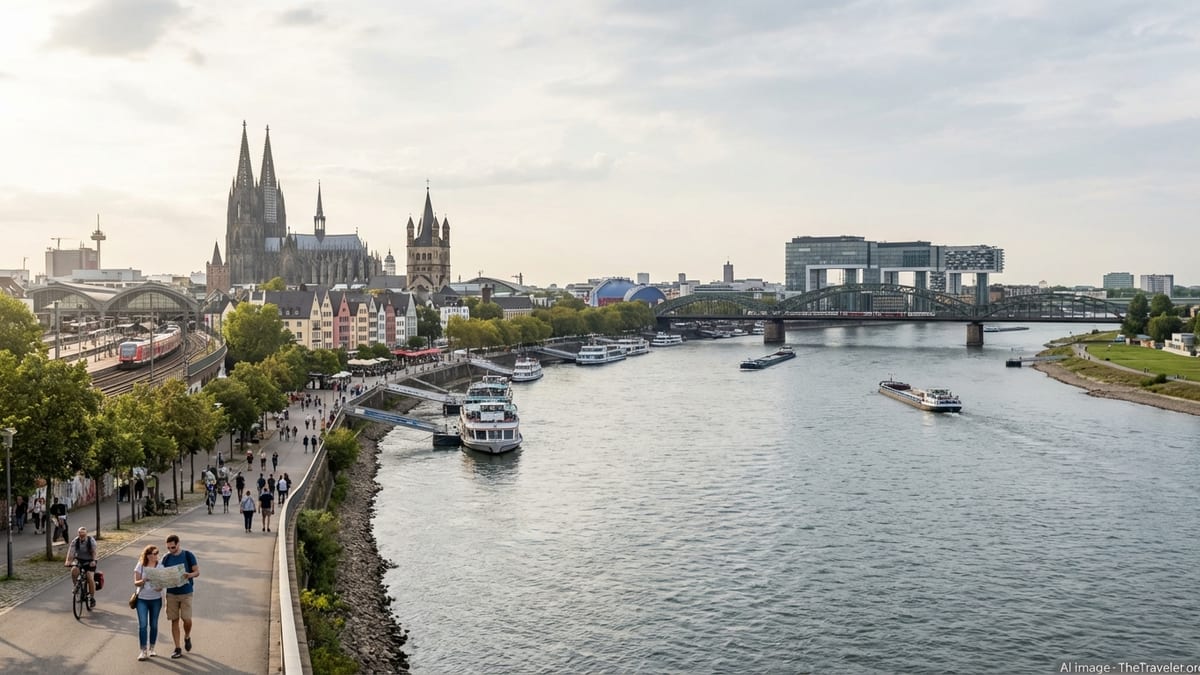
Rebuilt Landmarks Anchor a Renewed Cultural Identity
Dresden’s historic skyline, once devastated during the Second World War, has been carefully reconstructed to restore its role as a major European cultural center. Public information from the city’s tourism and economic development agencies highlights how the restored Old Town, or Altstadt, combines Renaissance, Baroque and 19th century architecture along the River Elbe, with the Frauenkirche church emerging as a powerful symbol of post-reunification renewal.
The Zwinger Palace, often cited in travel coverage as one of Germany’s most significant late Baroque ensembles, draws visitors with its colonnaded courtyards, fountains and formal gardens. Reports on recent visitor trends indicate that the complex, which hosts Old Masters, porcelain collections and sculpture, remains one of the most photographed sites in the country’s eastern states. Together with the Semperoper opera house and Dresden Castle, it forms a compact cultural quarter that is easy to explore on foot.
City promotional material released over the past year notes that Dresden continues to rank among Germany’s leading city-break destinations by overnight stays, with cultural tourism a key driver. The combination of rebuilt monuments and a walkable riverfront makes it a natural starting point for travelers interested in German history, architecture and the evolving story of how cities reconcile destruction with regeneration.
For visitors, this rebuilt core offers an immediate visual contrast: streets that until a few decades ago were dominated by gaps and modernist blocks now reveal meticulously recreated facades, courtyards and church towers. It sets the stage for a deeper exploration of how Dresden is using its past as a platform for a distinctly contemporary cultural scene.
From Old Masters to New Voices in the Museums Quarter
Dresden’s long-established collections are undergoing a quiet transformation as they broaden their focus from courtly treasures to contemporary perspectives. The Staatliche Kunstsammlungen Dresden, one of the largest museum groups in Europe, continues to expand its programming of modern and contemporary art alongside its renowned Old Masters and decorative arts. Published exhibition schedules show a growing emphasis on cross-disciplinary shows that link historic works with current social themes.
The Albertinum, a key part of this network, has earned attention in international travel articles for pairing paintings and sculptures by Romantic and modern artists with works by living practitioners. Visitors see pieces by German figures such as Gerhard Richter alongside changing temporary exhibitions that reflect debates about memory, landscape and identity. This approach reinforces Dresden’s role as a city that does not only preserve art history but actively questions and reframes it.
Beyond the marquee collections, smaller institutions are carving out distinctive niches. The Museum für Sächsische Volkskunst, presented as Germany’s only dedicated folk-art museum, underscores regional craftsmanship and everyday creativity, while its associated puppet-theatre collection at Kraftwerk Mitte spans traditional marionettes to contemporary performance figures. These venues invite travelers to move beyond postcard views and engage with the cultural life of Saxony at street level.
Together, these museums form a dense circuit where visitors can move between gilded state rooms, experimental installations and interactive displays within a few city blocks. The result is a museum landscape that reflects both the grandeur of court culture and the more modest, hands-on traditions that continue to shape local identity.
Industrial Powerhouse Turned Creative Engine at Kraftwerk Mitte
One of Dresden’s most striking examples of old meeting new emerges a short tram ride from the Old Town at Kraftwerk Mitte. Once a municipal power station, the complex has been converted into a major cultural hub that houses the Staatsoperette Dresden, theater spaces, studios and event venues. City brochures and festival programs describe it as a flagship project for adaptive reuse, preserving brick industrial architecture while inserting glass, steel and contemporary public spaces.
Recent cultural guides highlight Kraftwerk Mitte as a focal point for evening performances, experimental theater and cross-genre collaborations. The site hosts everything from opera and musical theater to multimedia installations, drawing both local residents and visitors seeking experiences beyond traditional sightseeing. Publicly available information indicates that its central location makes it a key anchor in Dresden’s efforts to extend cultural life beyond the historic core.
The presence of the puppet-theatre collection in the same complex underscores how the city is layering different strands of cultural heritage in one place. Historic figures from centuries-old puppet stages sit only a short walk from cutting-edge lighting rigs and digital backdrops used in contemporary productions. For travelers, this juxtaposition offers a tangible way to see how Dresden’s creative sector has moved from heavy industry to cultural production.
As more European cities reimagine former industrial sites, Kraftwerk Mitte positions Dresden within a broader conversation about sustainable urban development. The complex not only preserves an impressive example of early 20th century power architecture, it also demonstrates how cultural investment can give new life to once-derelict infrastructure.
Ostrale Biennial and Festival Culture Showcase New Art
Dresden’s contemporary credentials are reinforced by a growing roster of festivals and biennials that attract artists and audiences from across Europe. Among the most prominent is the OSTRALE Biennale for contemporary art, which city and regional tourism sources describe as one of eastern Germany’s largest international exhibitions of experimental work. Recent announcements for the 2025 edition outline a curatorial focus on color and movement, with installations planned across multiple venues linked to the Elbe and former industrial areas.
Travel and events platforms present the OSTRALE as a must-see for visitors interested in large-scale installations, socially engaged projects and site-specific works that respond to Dresden’s layered history. The Biennale’s evolution into a year-round center for contemporary art, including studios and an artist-in-residence program along the river, underscores how the city is investing in long-term support for creative practice rather than relying solely on temporary showcases.
Seasonal festivals further extend this atmosphere of experimentation. The Palais Sommer open-air festival on the lawns of the Japanisches Palais, highlighted in recent cultural calendars, brings together art, classical and contemporary music, and talks in a relaxed riverside setting. Meanwhile, the Dresden Music Festival and winter programs around the Striezelmarkt Christmas market integrate performance, installation art and digital projections into historic spaces, adding modern layers to centuries-old traditions.
This network of events means that on almost any visit, travelers are likely to encounter pop-up exhibitions, outdoor performances or temporary artworks that reshape familiar viewpoints. The festivals turn bridges, riverbanks and palace gardens into stages, reinforcing the sense that the entire city is an evolving cultural canvas.
A Walkable City Where Everyday Life Meets Contemporary Art
What sets Dresden apart for many visitors is how quickly grand cultural statements give way to lived-in neighborhoods where art is part of daily routine. Commentators and local observers often note that within minutes of leaving the reconstructed Baroque quarter, travelers enter districts where 19th century townhouses, postwar blocks and new infill developments coexist. This urban mix provides fertile ground for project spaces, independent galleries and street-level initiatives.
Areas across the river in the Neustadt, in particular, have attracted a younger creative community, with studios, design shops and murals lining side streets. While the city’s flagship institutions receive the most international attention, these smaller venues offer a glimpse into how Dresden’s next generation of artists and designers are working, often addressing themes of environmental change, migration and digital culture.
Publicly available visitor guides emphasize that the city’s compact scale encourages exploration on foot or by tram, making it easy to move from Old Town plazas to riverside parks and neighborhood courtyards in a single afternoon. Along the way, travelers encounter everything from contemporary sculpture near the Elbe to light installations in former backyards, illustrating that art is not confined to museum walls.
For travelers considering a cultural trip to Germany in the coming seasons, Dresden’s combination of carefully reconstructed heritage, ambitious contemporary programming and accessible urban layout offers a compelling alternative to larger hubs. It is a place where the echoes of history are never far away, yet the visual language of the city is being constantly rewritten by artists, curators and residents.