


More news on this day
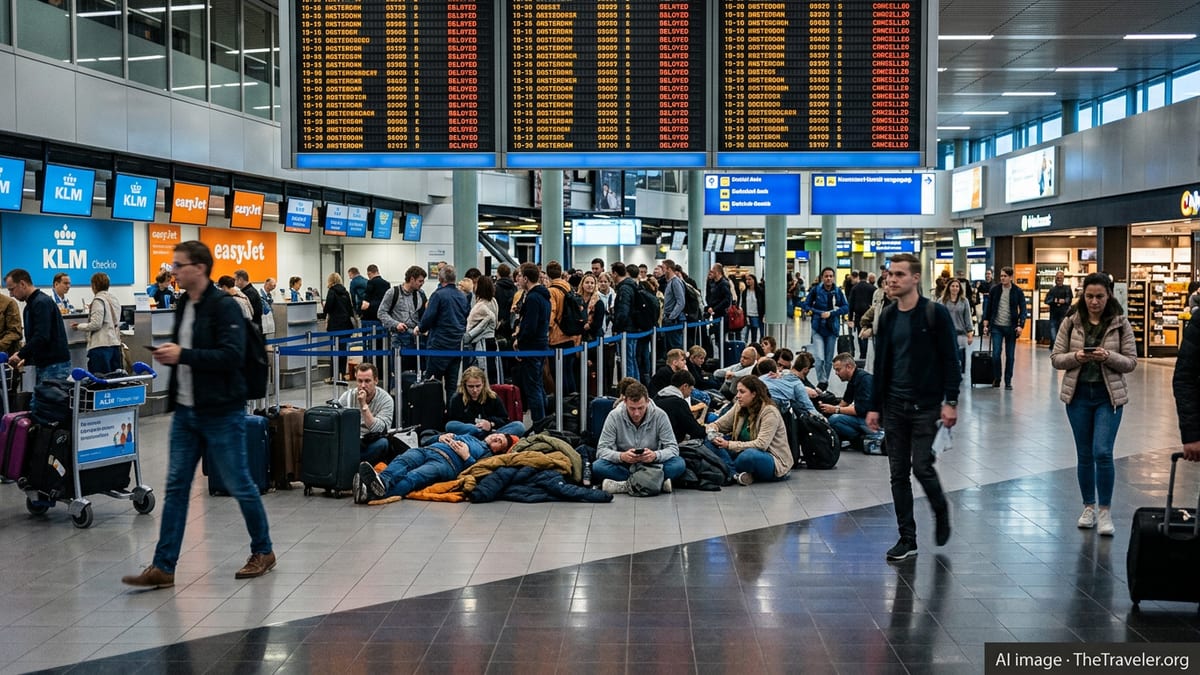
Travelers passing through Stockholm Arlanda Airport on May 30 are facing significant disruption, with airport information boards and flight-tracking data indicating around 103 delayed flights and 12 cancellations affecting a mix of Scandinavian and European routes.
Get the latest news straight to your inbox!
Wide Impact Across Major Nordic and European Carriers
The disruption at Stockholm Arlanda is affecting a broad range of airlines that link the Swedish capital to key hubs across Scandinavia and the rest of Europe. Publicly available departure and arrival boards, together with independent tracking platforms, show delays and cancellations touching services operated by SAS, Norwegian, Lufthansa, Ryanair, Finnair and several other carriers serving the airport.
Routes connecting Stockholm with nearby capitals such as Copenhagen, Oslo and Helsinki appear particularly exposed, with knock-on effects for passengers relying on onward connections. Services to major European gateways including London and Frankfurt are also experiencing schedule changes, adding further pressure to already busy transfer banks at partner hubs.
The delays reported at Arlanda range from modest schedule slips of 30 to 60 minutes to significantly longer holds, in some cases pushing departures into later time bands and forcing rebookings. While the number of outright cancellations remains limited compared with overall daily traffic, the concentration of irregular operations within a single day is generating crowding at gates, customer service desks and security checkpoints.
Data-focused aviation and travel platforms that monitor operational performance at European airports indicate that Arlanda has seen elevated disruption on select peak days this spring, but the current cluster of more than 100 delayed flights and a dozen cancellations stands out as one of the more challenging days for travelers in recent weeks.
Domestic Links and Scandinavian Hubs Under Pressure
Stockholm Arlanda functions as a critical hub within the Scandinavian air network, anchoring domestic links to cities such as Gothenburg, Luleå, Umeå and Kiruna while also feeding international services to Copenhagen, Oslo and Helsinki. On May 30, this structure means that disruption on a set of core departures rapidly propagates into missed connections and reshuffled itineraries across the region.
Reports from real-time flight boards show that several SAS services within Sweden and to neighboring capitals have been subject to rolling delays, with some departures pushed into later waves. Norwegian’s European network from Arlanda, serving destinations including London and southern European cities, has likewise recorded schedule changes that contribute to longer overall travel times for affected passengers.
Finnair’s short-haul links between Stockholm and Helsinki, together with flights operated by Lufthansa to German hubs and by Ryanair on key leisure and city routes, are part of the broader pattern of irregular operations. When combined with Arlanda’s role as a transfer point for journeys onward to North America and the rest of Europe, even relatively small shifts in departure times can cascade into missed long-haul connections and forced overnight stays.
For travelers relying on tight domestic and regional connections, the day’s events underline the sensitivity of the Scandinavian network to disruption at a single major node. Arlanda’s importance as Sweden’s primary international gateway, together with its dense schedule of short- and medium-haul flights, means that localized problems can quickly become a nationwide concern for air travelers.
Knock-On Effects for International Connections
The disruption at Arlanda is not limited to point-to-point passengers. According to published airport and airline schedules, many of the affected flights are timed to connect with onward services to continental Europe, the United Kingdom and intercontinental destinations. As a result, delays on feeder flights from Stockholm to hubs such as Copenhagen, Oslo, Helsinki, London and Frankfurt can jeopardize longer itineraries.
Travel analytics services that aggregate operational data indicate that peak departure volumes at Arlanda often occur in the early morning and late afternoon, aligning with banked departures at partner hubs. When irregular operations affect these clusters of flights, the window for same-day rebooking narrows, leaving some travelers dependent on later departures or rerouting through alternative airports.
Some passengers connecting from domestic Swedish flights to long-haul services operated by European partners may face extended journey times, overnight layovers or the need to rebook onto completely different routings. Publicly accessible tools that monitor wait times and airport busyness also suggest that security and check-in areas can become significantly more crowded on days with widespread disruption, compounding the challenge for travelers seeking last-minute solutions.
Despite these pressures, overall runway and airspace capacity around Stockholm remains sufficient for operations to continue, and many flights are still departing with only minor delays. However, the concentration of problem flights within certain time periods is enough to strain the system for a substantial share of passengers transiting Arlanda today.
What Travelers Are Experiencing on the Ground
On the ground at Arlanda, the operational picture translates into longer queues, busier gate areas and a heightened need for real-time information. Travelers checking airport displays and airline apps on May 30 are confronted with a patchwork of statuses, ranging from on-time and slightly delayed services to flights marked as significantly late or canceled.
Passenger rights information made available by consumer organizations and travel-compensation specialists emphasizes that most flights departing Arlanda fall under European Union Regulation 261/2004, which sets out rules on assistance and potential compensation when flights are heavily delayed or canceled. The applicability of these protections depends on factors including the cause of disruption, the length of the delay and the distance of the journey.
Guidance from such organizations typically encourages travelers to keep boarding passes and receipts, document the timing of delays and any additional expenses, and submit claims directly through airline channels when they believe the circumstances might qualify. On particularly disrupted days like May 30, demand for customer service assistance, both online and at the airport, tends to rise sharply.
In addition to formal claims processes, publicly available commentary from frequent travelers underscores the practical steps that can help mitigate disruption, such as monitoring multiple flight-tracking services, checking alternative same-day routings and considering proactive rebooking when delay patterns begin to emerge across several flights from the same carrier or airport.
Outlook for the Remainder of the Day
Operational data collected throughout May 30 suggests that the pattern of disruption at Arlanda is uneven across the day, with the heaviest concentrations of delays around the morning and late-afternoon departure peaks. As airlines work through backlogs and reposition aircraft, some improvement may occur in later time bands, although residual delays often linger into the evening on days with widespread schedule changes.
Passengers scheduled to travel from Stockholm Arlanda later in the day are being advised by publicly available airport and airline guidance to arrive in good time, verify their flight status frequently, and be prepared for gate changes or adjusted boarding times. Real-time monitoring tools that combine flight status and security wait-time data continue to reflect elevated activity levels compared with a typical weekday in late May.
While the total number of canceled flights remains in the low double digits relative to Arlanda’s overall traffic, the disruption is sufficiently broad to affect both domestic and international travelers across a range of airlines and destinations. For those with fixed onward plans, including rail tickets, hotel reservations or scheduled meetings, the knock-on effects of even a moderate delay can be significant.
As the day progresses, the focus for airlines and airport operators is on restoring regular patterns of operation and moving affected passengers to their destinations with as little additional disruption as possible. For travelers, the events at Stockholm Arlanda on May 30 offer a reminder of the value of flexible itineraries, robust travel insurance and close attention to live operational information when flying through one of Scandinavia’s busiest aviation hubs.