

More news on this day
Australia has eased its official travel warning for key Middle Eastern transit hubs, adjusting security advice for destinations widely used by Australians flying to Europe, Africa and Asia, according to recent government updates and media reports.
Get the latest news straight to your inbox!
Shift in Advice After Months of Heightened Caution
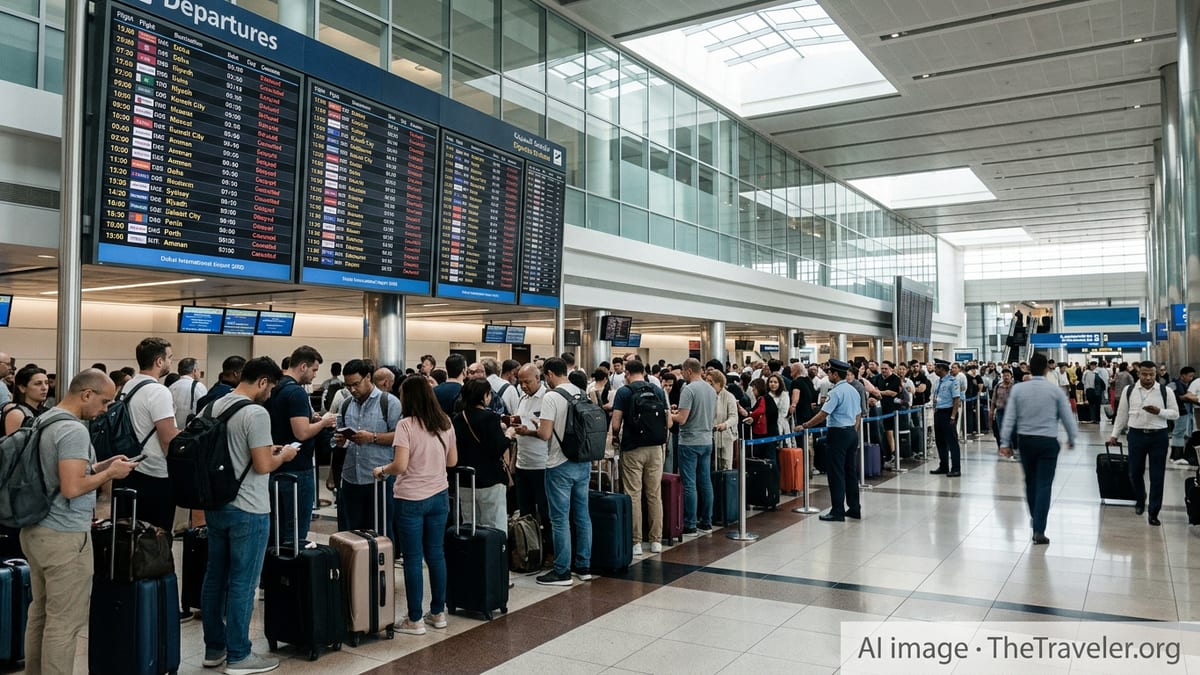
Publicly available government advisories indicate that Australia has revised its travel advice for several major Middle East stopover points, moving away from the strictest language that had been in place during periods of heightened regional tension. While detailed country pages still flag ongoing security risks, the overall messaging for prominent aviation hubs has been moderated, particularly for travelers merely transiting through international airports.
The changes follow months in which Australian travelers reported avoiding routings through the Gulf because of more severe advisories and perceived uncertainty around insurance coverage. Online discussions show that some passengers had rebooked flights away from the region, citing concerns that a high alert level might affect their ability to make claims if disruptions occurred on the ground.
Current advice now distinguishes more clearly between staying in a destination and transiting airside through an airport. The revised wording emphasizes that many flights continue to operate normally and that a large volume of international passengers still use these hubs, while urging travelers to remain aware of evolving conditions.
Despite the softer language, the advisories continue to stress that the security environment can change at short notice. Travelers are encouraged to monitor updates in the lead-up to departure and throughout their journey, particularly when connecting through locations that have previously been the focus of heightened concern.
Impact on Airline Routing and Capacity
The easing of the warning is expected to influence airline booking patterns on popular long-haul routes linking Australia with Europe and parts of Africa and Asia. Gulf-based carriers and their alliance partners rely heavily on Australian origin-and-destination traffic, much of it funneled through a handful of large connecting hubs.
During the period of tougher advisories, some travelers opted to reroute via Asian or North American gateways, often at higher cost or with longer total travel times. Industry commentary suggests that the more moderate wording could help restore confidence in itineraries that involve single or double transits through the Middle East, especially for price-sensitive travelers weighing indirect routings against nonstops.
Airlines that serve Australia via these hubs are likely to watch booking trends closely over coming months. While capacity decisions are influenced by many factors, including aircraft availability and broader demand, a stabilizing advisory environment typically makes it easier for carriers and agents to market connecting services without facing questions about whether routings align with government guidance.
Travel agents also gain clearer ground to discuss options with clients. With the most severe language eased for specific hubs, agents can focus on practical considerations such as schedule reliability, minimum connection times and airport facilities, while still drawing attention to any remaining localised risk notices.
Travel Insurance and Advisory Levels
The recalibration of travel advice has direct implications for insurance coverage, an area of growing concern for Australian travelers. Policy documents from major insurers commonly refer to government advisories when setting the boundaries of cover, particularly where regions are rated at higher risk or where “do not travel” language is used.
Commentary from financial and consumer platforms shows that some products exclude or limit benefits if a traveler visits or, in some cases, transits a destination under the strictest advisory levels. When warnings are softened, the path to obtaining comprehensive cover for trips that pass through affected airports can become less complicated, although wording varies significantly between insurers.
Travelers are being reminded to read policy conditions carefully, paying attention to how a provider distinguishes between staying in a country and connecting airside through its main airport. The recent adjustment to advisory language for key hubs may reduce the likelihood of automatic exclusions being triggered solely by transit, but that outcome still depends on individual contracts.
Insurance specialists also point out that even with an eased warning, cover for events linked to war, civil unrest or government-ordered airspace closures may remain limited. Prospective travelers are therefore encouraged to confirm how their chosen policy treats cancellations, delays and medical costs associated with any renewed escalation in the region.
Traveler Sentiment and Booking Behaviour
Online forums and social media discussions suggest that traveler sentiment remains mixed. A segment of Australian travelers continues to express reluctance about itineraries routed through the Middle East, preferring alternatives via East or Southeast Asia despite longer journey times. Others indicate they are comfortable with transits of a few hours, particularly in airports they have used before, as long as airlines and airports maintain visible security measures and operations remain stable.
The softened advisory is likely to reassure frequent flyers who are familiar with the region’s major hubs and view them primarily as efficient interchange points. For first-time long-haul travelers or families, the decision may hinge on factors such as perceived safety, airline reputation, and whether a policy clearly confirms cover for the specific routing.
Booking patterns in the coming months will provide a clearer signal of how quickly confidence returns. Analysts point out that any subsequent change in the regional security picture, or in advisory wording, could again influence demand, underscoring the importance of flexible booking options and clear communication from airlines and agents.
For now, the adjustment in Australia’s official stance signals a modest but notable step toward normalisation for the Middle East’s biggest transit airports, whose fortunes are closely tied to the ebb and flow of global long-haul travel.
What Australian Travelers Should Watch Next
Travel commentators note several indicators that Australian travelers may wish to monitor as they plan trips involving Middle Eastern hubs. The first is the government’s own advisory pages, which typically provide detailed updates when there are significant changes to security assessments, local regulations or airspace conditions.
A second area to watch is airline operational information, including schedule changes, temporary suspensions or rerouting of flights. Carriers often adjust timings or switch equipment in response to airspace considerations or demand, and those changes can affect minimum connection windows and onward options if a disruption occurs.
A third factor is the evolving stance of travel insurers, which may refine their products as the regional situation develops. Some providers periodically update policy wordings or add clarifying notes about how they respond when a government advisory level moves up or down for a particular destination or category of travel.
Together, these elements will shape how practical it is for Australians to use Middle Eastern hubs as gateways to other continents. With the latest easing of warnings, the balance has tilted somewhat back in favour of itineraries that depend on these airports, though both travelers and the industry remain alert to the possibility of further change.