


August 2027 will be one of Edinburgh’s busiest months in years. The city’s famed August festivals return at full strength, led by the Edinburgh Festival Fringe, which is officially scheduled to run from 6 to 30 August 2027. For visitors considering a Scottish city break in that period, the festivals transform not only the cultural offer but also the price of accommodation, transport, meals and even a simple walk along the Royal Mile. This guide explains what to expect, what it will really cost, and how to decide if the festival premium is worth paying.
Get the latest updates straight to your inbox!
Understanding Edinburgh’s August 2027 Festivals
The Edinburgh Festival Fringe has confirmed dates of 6 to 30 August 2027 for its 80th edition. It is an open-access arts festival, which means anyone who can find a venue can put on a show, from first-time comedians playing pubs off Cowgate to big-name performers at established spaces such as the Pleasance or Assembly venues. According to official festival information, thousands of performances will take place each day across the city, from midday stand-up marathons to late-night experimental theatre.
The Fringe is only one element of August in Edinburgh. The Edinburgh International Festival is a curated programme of opera, classical music, dance and theatre hosted across flagship venues such as the Usher Hall, Festival Theatre and The Queen’s Hall. While exact 2027 dates have not yet been confirmed at the time of writing, recent editions have run for about three and a half weeks in August, broadly overlapping with but not identical to the Fringe period. Travellers in mid to late August should expect both festivals to be in full swing.
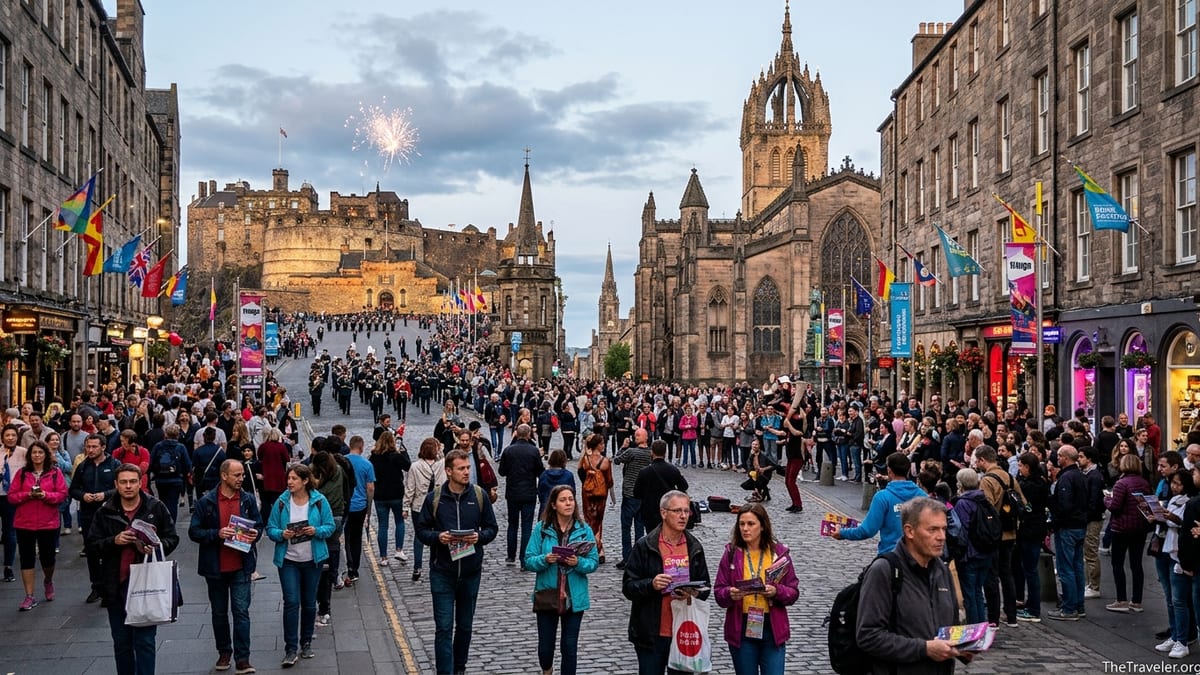
The Royal Edinburgh Military Tattoo has already announced its 2027 season will run from 6 to 28 August, staging a nightly outdoor spectacle on the Castle Esplanade featuring military bands, massed pipes and drums, dancers and fireworks. Ticket sales for the 2027 Tattoo opened as early as 2025 through the official site and travel partners, with prime weekend performances and central seating blocks selling out quickly. Separate from this, the Edinburgh International Book Festival has confirmed it will return in August 2027, probably over two weeks, although exact dates and venue details are still to be finalised. It typically releases its programme and tickets in late spring or early summer.
Alongside these high-profile events there are other August fixtures such as the Edinburgh Art Festival and a growing number of food, gin and film happenings. Each has its own dates and ticket cycles, so travellers should not assume that all festivals run for the exact same period as the Fringe. The crucial point is that from roughly the first weekend until the end of August, multiple overlapping festivals combine to create sustained peak demand for beds, tables, taxis and seats on flights and trains.
How Festivals Change the Feel and Cost of the City
Even visitors who never set foot in a theatre will feel the impact of festival season as soon as they arrive. Streets in and around the Old Town, particularly the Royal Mile between the castle and St Giles’ Cathedral, become unofficial performance spaces with buskers, Fringe street acts and flyering teams filling the pavements from late morning into the evening. Walking from Waverley Station to the Grassmarket that might take 10 minutes in March can stretch to 20 minutes on a busy August Saturday simply because of the dense crowds and frequent stops for pop-up performances.
Restaurant and bar availability also tightens. Popular Old Town venues near major Fringe hubs such as Bristo Square and George IV Bridge routinely operate full or close to capacity in August evenings, with many accepting only limited walk-ins. Diners arriving at 7pm without a reservation during festival weekends may be turned away several times before finding a table or be offered late-night slots after 9.30pm. Even outside headline areas, neighbourhoods such as Leith and the West End see a noticeable rise in bookings as locals and in-the-know visitors seek to escape the melee near the Royal Mile.
Hotel and short-let prices rise significantly compared with shoulder season. Data from major hotel chains and booking platforms suggests that central three-star properties which might charge around £130 to £160 per night in late July can climb to £220 to £300 or more for similar rooms during the peak Fringe weekends in August 2027, with four-star and boutique options in the Old and New Town often exceeding £350 on Saturdays. These are broad ranges rather than fixed rates, but they reflect the premium created when tens of thousands of extra visitors compete for a finite number of rooms.
Transport within the city also slows. Lothian Buses and Edinburgh Trams usually operate normal published routes, but temporary road closures and diversions near the Royal Mile, the Castle Esplanade and some International Festival venues can lengthen journey times. On busy evenings when Tattoo audiences exit the castle at around 10.30pm, taxi ranks and rideshare pick-up points in the centre experience surges and long waits. For travellers on tight evening schedules between dinner and shows, or families with younger children, these realities need to be factored into planning.
Where to Stay in August 2027 and What It Costs
Where you choose to base yourself in or around Edinburgh in August 2027 will be the single biggest factor in your budget. In the Old Town, close to the Royal Mile and venues such as the Gilded Balloon, Ibis-style chain hotels and well-rated guesthouses can be priced around £250 to £350 per night on busy mid-August weekends for a standard double, with boutique options above that level. The New Town, especially around Princes Street, George Street and Queen Street, shows similar or slightly higher pricing for branded four-star hotels that trade heavily on festival demand and views of the castle.
In the Haymarket and West End area, which has good tram and train connections as well as buses into the Old Town, average midrange hotel rates in mid-August 2027 appear a little lower, often in the £180 to £250 per night range for comparable double rooms when booked several months ahead. Murrayfield, best known for the rugby stadium, has a handful of hotels and guesthouses where mid-August pricing can sometimes fall nearer £150 to £200 per night, with the trade-off of slightly longer journeys into the heart of the Fringe on busy tram or bus services.
Leith, particularly around the Shore and the Ocean Terminal area, offers a mix of serviced apartments, chain hotels and independent guesthouses. Advance searches for August periods in recent years show many modern apartments there priced around £170 to £230 per night for two adults on weekend dates, with some family-sized options rising higher. Leith has become a fashionable dining destination, which keeps prices up, but visitors benefit from being removed from the most crowded streets while still being a 20 to 30 minute bus or tram ride from major venues.
Surrounding towns offer apparent savings, but the picture is more nuanced once travel is added. In Stirling, roughly an hour from Edinburgh by train, midrange chain hotels in August often list doubles for around £110 to £150 per night. Dunfermline, across the Forth, can be similar or slightly cheaper, with some independent hotels under £120. Glasgow has a far larger room base, and mid-August weekend rates for standard four-star hotels in the city centre may run between £120 and £180 per night depending on events. On paper that can look like a saving of £80 to £150 per night compared with a central Edinburgh stay.
Are Out-of-Town Bases Really Cheaper?
To judge whether it is worth staying outside Edinburgh, it helps to add realistic transport costs and time. Trains between Glasgow Queen Street and Edinburgh Waverley usually run at least twice per hour off-peak and the removal of peak fares on ScotRail services has simplified pricing, with standard returns between the two cities often under £20 per adult for same-day travel. A family of four making this journey daily for three festival days will likely spend £80 to £100 on rail fares alone, before any local buses or taxis at either end. Last trains back to Glasgow typically leave before midnight, which can clash with late-night Fringe and Tattoo performances.
From Stirling or Dunfermline, rail travel into Edinburgh is shorter but still adds both expense and curfews. Returns from these towns into Waverley often fall in the £10 to £18 per adult range, depending on advance purchase and railcards, with journey times of around 30 to 50 minutes. Missing the last direct train after a late performance can leave travellers reliant on slower routes, night buses that require connections, or costly taxis that quickly erode any savings from cheaper rooms.
A representative calculation for a midrange couple illustrates the trade-off. Suppose they can book a central New Town hotel at £260 per night for three nights, totalling £780. A comparable Glasgow hotel at £150 per night would cost £450. If they attend shows over three days and commute daily, spending £18 each day per person on rail, that adds roughly £108. Factor occasional local transport and the risk of needing a taxi for a missed last train, and the total may rise to £580 or more. The saving versus staying in Edinburgh shrinks to perhaps £200 for the whole trip, at the cost of six hours of commuting and less spontaneity in booking late shows or dinners.
For some visitors, particularly budget-conscious backpackers or larger families who need two rooms, those savings can still be worthwhile, especially if they are comfortable prioritising daytime fringe activity and finishing evenings earlier. For others, especially keen festival-goers who want to take advantage of midnight comedy or late orchestral concerts, the flexibility of being able to walk or take a short night bus back to a central hotel or hostel can justify paying the central premium.
Getting Around: Airport Transfers, Trams and Buses
Edinburgh Airport sits about 8 miles from the city centre and is well served by both buses and trams. Edinburgh Trams operate a line from the airport through western districts such as Edinburgh Park and Haymarket into the city centre and on to Leith. Official fare tables indicate that airport single tickets cost several pounds more than standard city-zone singles, with recent adult airport single prices in the range of £6.50 to around £7.90 and open returns close to £9 to £10. City-zone tram tickets away from the airport are significantly cheaper, closer to standard bus fares.
Lothian Buses run dedicated airport routes as well as regular services that pass near the terminal and serve the city centre and suburbs. Information from recent years shows airport express bus tickets priced a little below tram airport fares, with single tickets around £6 and returns under £9, and journey times of 30 to 40 minutes depending on traffic. Contactless payment and daily fare capping are widely used in Edinburgh, which can benefit visitors who make multiple bus and tram journeys in a day across zones A and B without needing to think about individual ticket types.
Within the city, standard adult single fares on Lothian Buses and city-zone trams have been around the £2.20 to £2.40 mark in the mid-2020s, with daily caps and day tickets generally under £9 for unlimited travel on most services excluding or optionally including the airport. While small fare adjustments are possible before August 2027, travellers can budget for ordinary bus or tram journeys at just a few pounds each. What changes during festival weeks is not the fare but the time: services through the Old Town, Southside, Leith Walk and the West End can be slower than timetabled because of congestion and event-related diversions.
Temporary traffic changes occur particularly around the Tattoo, with access to the Castle Esplanade restricted and nearby streets affected before and after performances. On Tattoo nights, police and stewards manage crowd flows, which can temporarily close or divert some paths between the castle, the Royal Mile and the Grassmarket. Visitors who plan to move between different venues and parts of town in the same evening should allow generous transfer times, especially if they rely on buses through the city centre pinch points.
Free Street Culture versus Paid Performances
A major attraction of the Fringe is the amount of free entertainment available. The Royal Mile and nearby streets host Fringe street performers licensed by the festival, ranging from acrobats and magicians to musicians and physical theatre troupes. Performances are technically free to watch, though audiences are expected to contribute in the hat at the end, with many people giving a few pounds per person for a strong show. Indoors, there is also a Free Fringe scene where venues host shows without fixed ticket prices, instead using donation buckets at the exit.
Paid shows, however, remain the backbone of the Fringe economy. Recent ticketing patterns suggest that smaller comedy and theatre shows in pub back rooms or studio spaces often charge in the region of £8 to £14 per ticket, while more established acts in mid-size venues can command £15 to £25. High-profile comedians, late-night variety galas and popular family shows in large auditoriums may be £25 to £35 or more. Because performances are typically around 50 to 75 minutes long, it is possible for an enthusiastic visitor to book three or even four shows across a single afternoon and evening, for example a midday theatre piece, early-evening stand-up, a late concert and a midnight mixed-bill comedy.
The Royal Edinburgh Military Tattoo uses separate ticketing. Official 2027 price grids show that basic weeknight Tattoo tickets in side stands start under £40, with better central seats and weekend dates priced considerably higher, sometimes above £80. Premium hospitality packages that include dining can run into several hundred pounds per person. For many international visitors, the Tattoo is a once-in-a-lifetime highlight worth the outlay, but it makes a noticeable difference to a three-day budget compared with a purely Fringe-based visit.
The Edinburgh International Festival and Book Festival operate more traditional arts and literary pricing. International Festival tickets for orchestral concerts, opera and theatre often span a wide range, with some seats from under £20 and prime stalls or circle positions upwards of £60 to £100 depending on the event. Book Festival events are generally more affordable, frequently under £20 per session, though popular authors can sell out quickly once the programme is released in late spring or early summer. For cost-conscious travellers, a mix of free street culture, one or two paid Fringe shows and selected Tattoo, International Festival or Book Festival events can deliver a rich experience without constant high outlay.
A Realistic Three-Day August 2027 Itinerary and Budgets
To illustrate how festival costs add up, consider a three-day visit in mid-August 2027 for three traveller types: a solo backpacker, a midrange couple and a family of four. All stay within or close to the city centre and arrive via the airport or rail with transport already accounted for separately.
A backpacker staying in a central hostel dorm near Cowgate or Haymarket might find beds in August 2027 priced around £45 to £65 per night when booked early, so roughly £150 for three nights. Eating mainly at value spots such as bakeries, street-food stalls and supermarket takeaways, they might budget £20 to £25 per day on food, totalling about £70. Adding a daily bus or tram cap of around £6 for three days gives about £18 for local transport. If they see three paid Fringe shows over the stay at an average of £12 each and rely on free street performances at other times, ticket spend might be around £36. Their rough three-day in-city budget excluding flights would be in the region of £270.
A midrange couple choosing a New Town or Haymarket hotel at around £220 per night will pay about £660 for three nights. Allowing for two sit-down meals per day plus coffees, drinks and snacks, a practical food budget might be £45 per person per day, or around £270 across three days for two. If they use buses and trams regularly, a pair of daily travel caps at approximately £8 each would total about £48 for the trip. Suppose they book four paid Fringe shows at around £18 each, a Book Festival talk at £15 each, and mid-price Tattoo seats around £70 per person. Total ticket spend would then be close to £277. Added together, that puts their three-day festival-time budget in the ballpark of £1,250 excluding arrival and departure travel.
For a family of four with two adults and two children staying in a self-catering Leith apartment at £220 per night, the three-night lodging cost would be around £660. Self-catering breakfasts and some home-cooked dinners can keep food costs more manageable; a realistic budget might be £80 per day for groceries and modest meals out, or £240 over three days. Family day tickets or capping on buses and trams could amount to approximately £20 to £25 per day, so around £70 total. If the family opts for two family-friendly Fringe shows at about £50 to £70 per performance for four tickets, plus a single visit to the Tattoo with cheaper side seats around £45 per adult and £25 per child, tickets could total roughly £250 to £280. Their three-day Edinburgh spend could therefore fall somewhere around £1,200, with the flexibility to trim this by swapping the Tattoo for more free Fringe events.
These example budgets rely heavily on booking accommodation early and choosing mid-range ticket options. Late bookers or those seeking luxury hotels and top-tier event seats should expect significantly higher totals, while travellers willing to stay in hostels, cook frequently and focus on free or low-cost shows can bring costs down.
Weather, Queues and Practical Realities in August
Edinburgh’s August weather is milder than winter but far from guaranteed sunshine. Average daytime highs sit in the high teens Celsius, with cooler evenings that can dip into single figures. Rain showers are common and often unpredictable, which has direct implications for festival-going. Outdoor Fringe street performances on the Royal Mile and around the Mound can proceed in light drizzle but may be curtailed in heavier rain. Tattoo audiences sit in a largely open-air arena on the castle ramparts, so even in August it is wise to bring waterproofs and layers rather than relying on umbrellas, which are discouraged due to sightlines.
Queues are part of the August experience. Popular Fringe venues around Bristo Square, Pleasance Courtyard and George Square Gardens routinely manage lines that snake around courtyards in the 20 to 30 minutes before each performance. Arriving at a venue only five minutes before a sold-out show risks being turned away even with a ticket, as latecomers may not be admitted once performances start. At the Tattoo, security checks and the walk up to the Esplanade mean that spectators are advised to arrive well ahead of the stated start time.
Accessibility is improving but remains variable. Major International Festival venues, many Tattoo seating areas and purpose-built Fringe hubs generally offer step-free access, accessible toilets and support for advance access bookings. However, many Fringe performances take place in historic basements, upstairs rooms in pubs or temporary structures reached only via narrow staircases. Anyone with mobility needs should check accessibility details carefully in the Fringe programme or on venue websites before booking. Crowded cobbled streets in the Old Town can also be challenging for those using wheelchairs or pushing buggies.
Rainy-day alternatives are plentiful. The National Museum of Scotland, the National Galleries on the Mound and at Modern One and Two, and the Royal Yacht Britannia in Leith provide indoor cultural options away from heavy street crowds, with standard adult entry for paid sites usually under £20. Many Fringe and Book Festival venues are also indoors, so a wet forecast does not necessarily mean a lost festival day, but travellers should carry umbrellas, waterproof jackets and comfortable footwear that can cope with wet cobbles and prolonged standing in queues.
How Much More Expensive is August Than Late July or September?
To gauge the true festival premium, it is useful to compare sample prices across months. Hotel search patterns for recent years show that a standard chain hotel double room in central Edinburgh might be available in the final week of July for around £140 to £180 per night, climbing to £220 to £280 for equivalent dates in mid-August when the Fringe and Tattoo are fully underway, then dropping again to roughly £150 to £190 in mid-September once the festivals close. Boutique or luxury hotels display even sharper swings, with some properties effectively doubling their nightly rates between late July and peak Fringe weekends.
Short-term apartment rentals show a similar curve. A one-bedroom serviced apartment in Leith or the West End that may be listed for £110 to £140 per night in late July can rise to the £180 to £230 range in mid-August, particularly over Friday and Saturday nights, before easing back toward the £120 to £160 range in mid-September when demand falls. Because serviced apartments and self-catering units are heavily used by performers and returning festival staff, availability in central districts also tightens faster for August than for adjacent months.
Other cost elements are less affected. Lothian Buses and Edinburgh Trams maintain the same fare structures in July, August and September, and admission prices for year-round attractions such as the castle or museum exhibitions change rarely over such short periods. Restaurant menus may add special festival offers or late-night service charges during August, but basic dish pricing usually remains stable. The real additional cost of August lies in accommodation and the number of paid performances travellers are tempted to book once surrounded by the festival atmosphere.
From a budgeting perspective, visitors who mainly want to enjoy Edinburgh’s historic sights, museums and general atmosphere may find late July or September much better value, giving similar weather with lower room rates and fewer crowds. Those who prioritise the unique buzz of the Fringe, Tattoo fireworks over the castle and the concentration of world-class performances need to recognise that the experience almost always comes with a 30 to 70 percent accommodation premium over shoulder-season stays, depending on property type and how far ahead they book.
Should You Book August 2027, and How Early?
For travellers set on an August 2027 festival trip, booking early is essential. Tattoo tickets for 2027 went on sale well over a year in advance, and prime dates and central blocks for weekend performances began to fill first. The Fringe typically releases its full programme in late spring, but accommodation in central districts such as the Old and New Towns is already heavily booked by that point. To secure reasonably priced central rooms, especially for peak weekends, it is wise to look 9 to 12 months ahead and choose rates with clear cancellation policies in case plans change.
Choosing an alternative base is a strategic decision. Staying in suburban areas along good bus and tram corridors, such as Leith, Haymarket or Corstorphine, can offer useful savings compared with the Royal Mile or Princes Street without the need to rely on late-night intercity trains. Towns like Stirling, Dunfermline or Glasgow can work for travellers who are willing to build their schedule around daytime shows and trains, but they do reduce flexibility for late-night performances and socialising and can add hidden costs if last trains are missed.
Whether the experience justifies the extra cost depends on your priorities. If your goal is to wander largely crowd-free through the castle, Holyrood Palace and Dean Village, lingering over meals and spending modestly on evening entertainment, the same three days in late July or mid-September will almost certainly be cheaper and calmer. If, however, you are excited by streets filled with performers, the possibility of discovering a favourite comedian in a tiny room, watching fireworks burst over the castle in time with massed pipes and drums, and browsing packed Book Festival tents between shows, then the additional expense of August 2027 can deliver a uniquely intense cultural experience.
The key is to be realistic. Expect higher accommodation bills, book as early as practical, allow more time for journeys and queues, mix free and paid events, and consider whether a slightly off-peak date at the start or end of the Fringe could balance cost and atmosphere. With clear eyes on the budget and logistics, an August 2027 break in Edinburgh can be both manageable and memorable.