


More news on this day
 Follow us on Google News
A sudden washout has forced the emergency closure of a key connector into Portland’s Old Port district, severing a primary link to the waterfront at the start of the peak summer tourism season.
Get the latest news straight to your inbox!
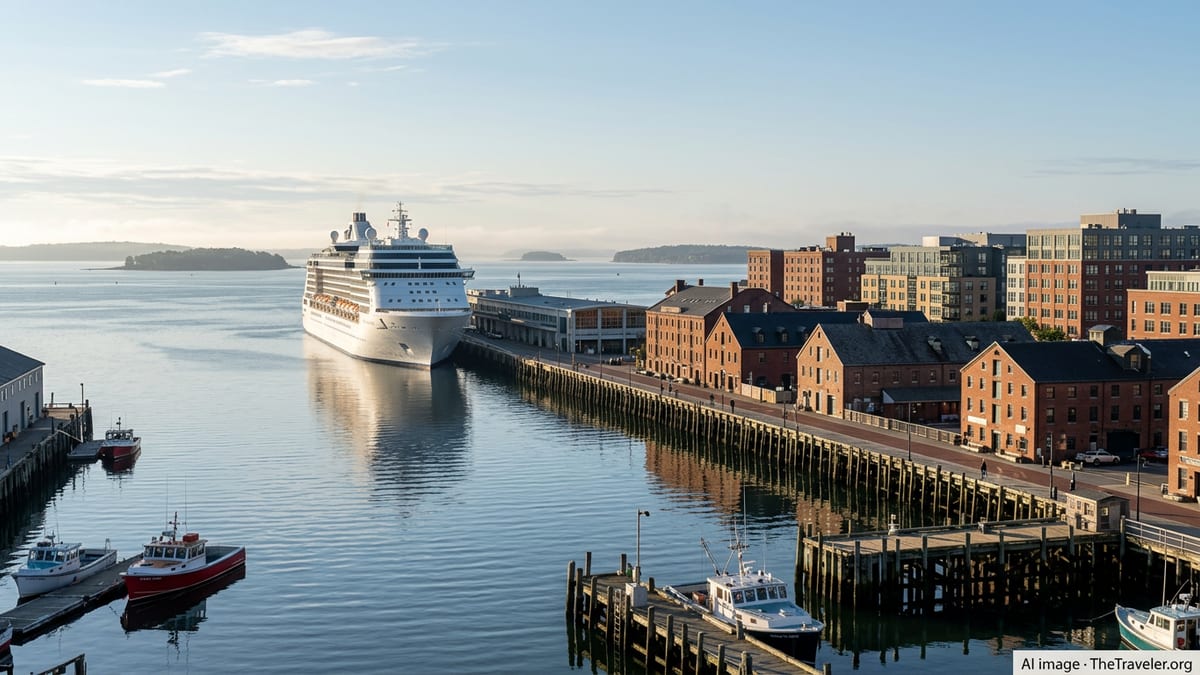
Closure disrupts main approach to the waterfront
Reports indicate the washout occurred on a short but heavily used segment of roadway that funnels vehicles from Portland’s downtown grid toward the Old Port’s cobblestone streets and working harbor. Publicly available information describes a partial failure of the road base, leaving a jagged surface and exposed subsurface material that prompted an immediate shutdown to through traffic.
The affected street functions as one of several connectors between the peninsula’s interior avenues and Commercial Street, the east west spine along the harbor where ferry terminals, tour operators and popular seafood decks cluster. When that link is severed, drivers lose a familiar approach that often serves as a relief valve when other narrow streets back up.
Local coverage indicates that barriers and detour signs went up quickly after the washout was identified, with the closure framed as a safety measure while engineers and crews assess the extent of the damage. Early images shared through news outlets and social media show a pronounced depression along the curb line, suggesting that erosion beneath the pavement may have been progressing for some time before the surface finally gave way.
In practice, the loss of even one short Old Port segment can reshape how visitors and residents move between downtown parking garages, hotel driveways and the waterfront, especially during busy weekend and evening periods.
Traffic detours and transit reroutes ripple across Old Port grid
With the connector shut, drivers are being funneled onto nearby streets that already carry a high share of downtown and Old Port traffic. The district’s pattern of one way blocks, limited turning options and frequent pedestrian crossings magnifies the effect of any new choke point, and early accounts describe longer queues approaching the waterfront core.
Publicly available information on local transportation updates indicates that at least one bus route that normally uses the affected link has been shifted a block or two inland. Those adjustments keep service running but add extra turns in an area where large vehicles already contend with tight clearances, loading zones and outdoor dining setups near intersections.
Ride hail vehicles and delivery drivers are also having to adjust. Travel guides and local advisories are encouraging visitors to plan for extra time if arriving by car for dinner reservations, theater shows or ferry departures. Some guidance suggests that travelers consider reaching the district on foot from garages farther up the hill, rather than circling waterfront blocks in search of an ideal curbside drop off.
For pedestrians and cyclists, the change is mixed. The closure removes a stretch of vehicle traffic, which can create a temporary calm zone on the immediate block. At the same time, parallel streets are absorbing more cars and turning movements, leading to heavier volumes in places that already see frequent conflicts between slow strolling tourists and drivers inching forward.
Summer tourism and waterfront businesses feel immediate strain
The timing of the washout is particularly sensitive for Portland. June through August form the core of the city’s visitor season, when cruise ship schedules, food festivals and coastal getaways crowd the Old Port’s calendar. Published coverage notes that many waterfront restaurants, bars and tour operators rely on these months for a large share of annual revenue.
Businesses near the closed link remain open, but early observations suggest a noticeable shift in how people arrive. Instead of being dropped close to a particular pier or patio, many visitors are being let out several blocks away and completing the trip on foot through narrower side streets and alleys. For operators that depend on quick table turns, tightly timed harbor cruises or last minute walk up customers, that extra friction can affect daily takings.
Hotel guests in and around the Old Port are also being advised to expect modified driving directions. Some properties bordering the waterfront are steering arrivals toward alternate garage entrances or suggesting that guests approach from the eastern end of Commercial Street instead of cutting down from the city’s central avenues.
Despite the inconvenience, the Old Port’s compact scale and dense clustering of attractions mean that once visitors have parked, most can still reach dining rooms, tasting rooms and pier ticket booths with a short walk. Travel oriented outlets are emphasizing that the district remains fully accessible on foot and recommending that travelers treat the situation as an opportunity to explore side streets they might otherwise drive past.
Inspection, repair timeline and resilience questions
Engineers are now focused on determining how far the damage extends beneath the visible washout and whether aging drainage or recent heavy rainfall played a role. Maine’s coastal cities have contended with several intense rain events and tidal surges in recent years, and public documents on state disaster declarations highlight repeated references to localized washouts and eroded road beds in low lying corridors.
Once the underlying cause is fully mapped, crews are expected to remove compromised sections of the roadway, rebuild the base layers and reconstruct the surface. The duration of that work will depend on the extent of any undermining beneath adjacent travel lanes and sidewalks, as well as the condition of nearby storm drains, culverts and utility conduits.
Urban planning materials for Portland have long framed the Old Port as both an economic engine and a vulnerable edge of the peninsula, where historic streets, heavy visitor traffic and coastal weather converge. The latest washout is likely to reinforce ongoing discussions about how to harden key connectors against stronger storms and rising sea levels while preserving the district’s walkable character and historic fabric.
City planners and transportation advocates have previously pointed to the importance of diversified access, including robust transit, safe walking routes and bicycle connections that can keep the Old Port functioning even when a single street segment is lost temporarily. The current closure offers a real time test of those concepts, as residents, workers and visitors adapt their daily routines around a missing link.
Advice for visitors heading into Portland’s peak season
Travel guidance emerging in the days since the washout encourages anyone planning a trip to Portland to treat the disruption as a navigational challenge rather than a reason to skip the Old Port entirely. The district’s restaurants, bars, boutiques and harbor tours continue to operate, and many are posting updated wayfinding tips through their own channels.
Drivers are being advised to review current maps and detour descriptions before setting out, with particular attention to which connections toward Commercial Street are open on the day of travel. Travelers arriving by intercity bus or rail can often avoid the most congested approaches by using taxis, ride hail services or hotel shuttles that are already familiar with the changing traffic patterns.
For those staying in downtown Portland, the most straightforward strategy remains to park once and rely on walking for the rest of the day or evening. The compact layout that normally makes the Old Port easy to explore on foot also cushions the impact of a single road closure, provided visitors are prepared for a few extra blocks of cobblestones and hills.
As the summer calendar fills with festivals, live music and waterfront events, the combination of a disrupted street grid and higher visitor numbers will keep pressure on the area’s transportation network. Travelers who build in extra time, stay flexible about routes and heed local advisories are likely to find that Portland’s signature harbor views and dining scene still outweigh the inconvenience of a temporary washout.