


More news on this day
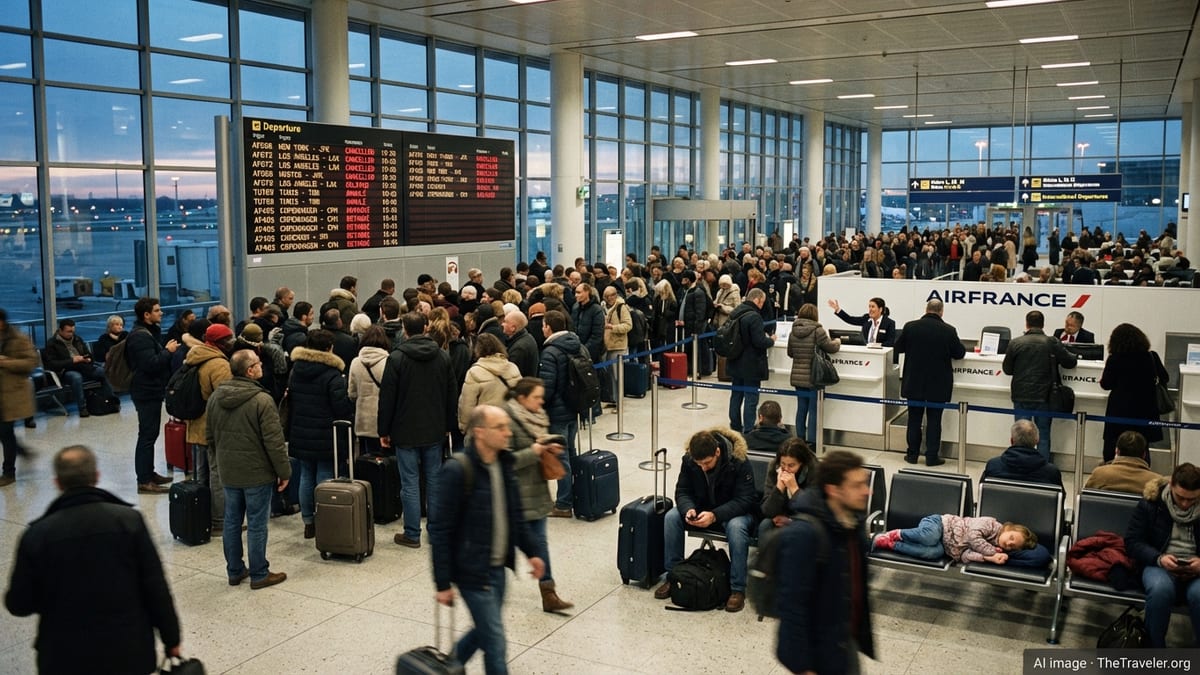
Passengers at Copenhagen Airport faced fresh disruption this week as a new wave of cancellations involving SAS, British Airways, Danish operators and other carriers left travelers bound for London, Mumbai, Warsaw, Santorini and several European hubs scrambling for alternatives.
Get the latest news straight to your inbox!
New Cancellations Hit Key Routes From Copenhagen
Operational data and published disruption trackers indicate that at least five additional departures from Copenhagen have been pulled from schedules in the past 24 to 48 hours, on top of a broader pattern of delays and cancellations that has dogged Denmark’s main hub throughout June. The latest affected services include flights to London, Mumbai and popular leisure destinations in Southern Europe, intensifying pressure at the height of the early summer travel period.
Reports from aviation monitoring platforms suggest that a mix of Scandinavian and international airlines are involved, including SAS and British Airways, alongside regional and charter operators sometimes referred to locally under broad labels such as Danish or Nordic carriers. While individual flight numbers vary by day, the net effect for travelers is the same: long queues at rebooking desks and a struggle to secure seats on alternative departures from Copenhagen or via other European hubs.
Travel-industry coverage notes that the situation has been exacerbated by knock-on effects from earlier disruptions, particularly on long haul links. Once a small number of high-demand services are withdrawn, connecting banks designed to feed destinations such as London, Warsaw or Santorini can unravel, leaving passengers with missed onward connections or overnight stays in transit.
In aggregate, the pattern points to a network under strain rather than an isolated cancellation incident. For Copenhagen, which functions as a key transfer point between Scandinavia and the rest of Europe as well as Asia and North America, even a limited number of cancellations on trunk routes can quickly cascade into widespread schedule instability.
Mumbai Launch Problems Ripple Across the Network
One of the most visible flashpoints in recent weeks has been SAS’s new route between Copenhagen and Mumbai. The year round service, launched in early June after a 17 year absence from the Indian market, has faced repeated operational setbacks. According to Scandinavian and Indian media reports, the inaugural flight was forced to return to Copenhagen due to missing regulatory documentation, and subsequent rotations have seen a series of last minute cancellations.
Passenger accounts shared on travel forums and social platforms describe a pattern in which departures between Copenhagen and Mumbai were cancelled only hours before scheduled pushback, often after travelers had already begun their journeys from secondary cities. Many customers reported being rerouted via London, Paris or Amsterdam on partner or competing airlines, or receiving rebookings several days later, significantly extending travel times.
These Mumbai related disruptions are now feeding into the wider network picture at Copenhagen. Each cancelled long haul flight not only strands point to point passengers but also displaces travelers booked on connecting services to destinations such as Warsaw, Berlin or Scandinavian domestic routes. With aircraft and crew tied up in unscheduled positioning or extended ground time, airline planners are left with fewer resources to operate short haul legs reliably.
Analysts note that the Mumbai route difficulties highlight how vulnerable hub and spoke systems can be when a new intercontinental service encounters regulatory or operational issues. In the case of Copenhagen, disruption on a single high profile long haul route appears to have contributed to wider schedule volatility across the airport.
Pressure Mounts on London and Regional European Links
Connections between Copenhagen and London have also come under pressure amid the latest wave of cancellations. Publicly accessible flight status data for Heathrow and Copenhagen show a pattern of adjustments on British Airways services in recent days, with some rotations operating normally and others removed from sale or dropped close to departure as airlines rebalance capacity.
Travel news outlets covering the Nordic region have highlighted London, Paris and other major European capitals as among the most affected destinations during recent bouts of disruption at Copenhagen. For passengers, the impact is considerable: many journeys to Southern or Eastern Europe rely on a first leg from London or another hub into Copenhagen before continuing onward to cities like Warsaw or leisure spots such as Santorini.
When a short haul sector between Copenhagen and London or another primary hub is cancelled, travelers can find themselves stranded on either side. Some are offered rebooking via alternative airports or overnight accommodation, while others report needing to purchase new tickets on low cost competitors to avoid missing events or non refundable bookings at their final destinations.
Regional links to cities such as Warsaw, Prague and Baltic capitals are equally exposed. With aircraft cycles disrupted by long haul irregularities and crew duty limitations, airlines sometimes prioritize higher yield trunk routes, leaving thinner regional services vulnerable to late cancellations. For Copenhagen based passengers, this can translate into crowded standby lists and limited same day options if a flight is withdrawn.
Airlines Cite Operational Strain as Summer Demand Surges
The latest cancellations come against a backdrop of an exceptionally busy summer schedule at Copenhagen. According to airline scheduling announcements, SAS and its competitors entered the 2026 season with expanded capacity on both European and intercontinental routes, aiming to capture robust leisure and business demand.
However, industry commentary suggests that staffing constraints, air traffic control restrictions and tight aircraft utilization are stretching operations close to their limits. When a disruption such as the Mumbai regulatory issue or localized weather affects a hub, airlines can struggle to recover without cancelling downstream flights, particularly on routes with limited redundancy in aircraft and crew.
Some carriers have pointed in earlier public statements to wider challenges in the European aviation system, including controller shortages in key airspace sectors and congested peak time departure banks. These structural pressures can intensify when hubs like Copenhagen are building out ambitious new long haul programs while also trying to maintain punctual short haul connectivity to cities such as London, Warsaw and holiday islands in Greece.
The consequence for travelers is a more unpredictable experience than headline schedules might suggest. Even where airlines advertise record summer programs, the real world operation can involve short notice cancellations when a single aircraft or crew rotation fails to line up as planned.
What Stranded Passengers Can Expect Under EU and UK Rules
For those caught up in the recent wave of cancellations at Copenhagen, passenger rights in Europe and the United Kingdom are a central concern. Public guidance from consumer organizations and legal information platforms stresses that most flights departing from Copenhagen are covered by EU Regulation 261, while services to or from the United Kingdom may additionally fall under UK261.
Under these frameworks, travelers whose flights are cancelled are generally entitled to a choice between a refund and rerouting at the earliest opportunity, subject to seat availability. Compensation may also be payable in certain circumstances, depending on flight distance, timing of the notification, and whether the disruption is considered within the airline’s control or due to extraordinary circumstances such as severe weather or airspace closures.
Specialist disruption trackers note that airports like Copenhagen, which handle a high volume of intra European traffic, have seen an uptick in claims activity as passengers seek reimbursement for hotels, meals and missed connections related to cascading delays and cancellations. However, the process can be complex, particularly when multiple airlines or non European carriers are involved on a single itinerary.
Travel advisers therefore recommend that passengers document their experience carefully, retain boarding passes and receipts, and check both the operating carrier’s published policies and the applicable EU or UK regulation when deciding whether to pursue a claim. With Copenhagen’s network still under strain from the latest cancellations affecting London, Mumbai, Warsaw, Santorini and other routes, clear information about rights and options remains vital for travelers attempting to complete their journeys.