


More news on this day
Emirates and flydubai are urging passengers traveling from parts of Africa to Dubai to closely follow newly tightened Ebola-related entry and transit rules after the United Arab Emirates introduced restrictions on arrivals from specific countries.
Get the latest news straight to your inbox!
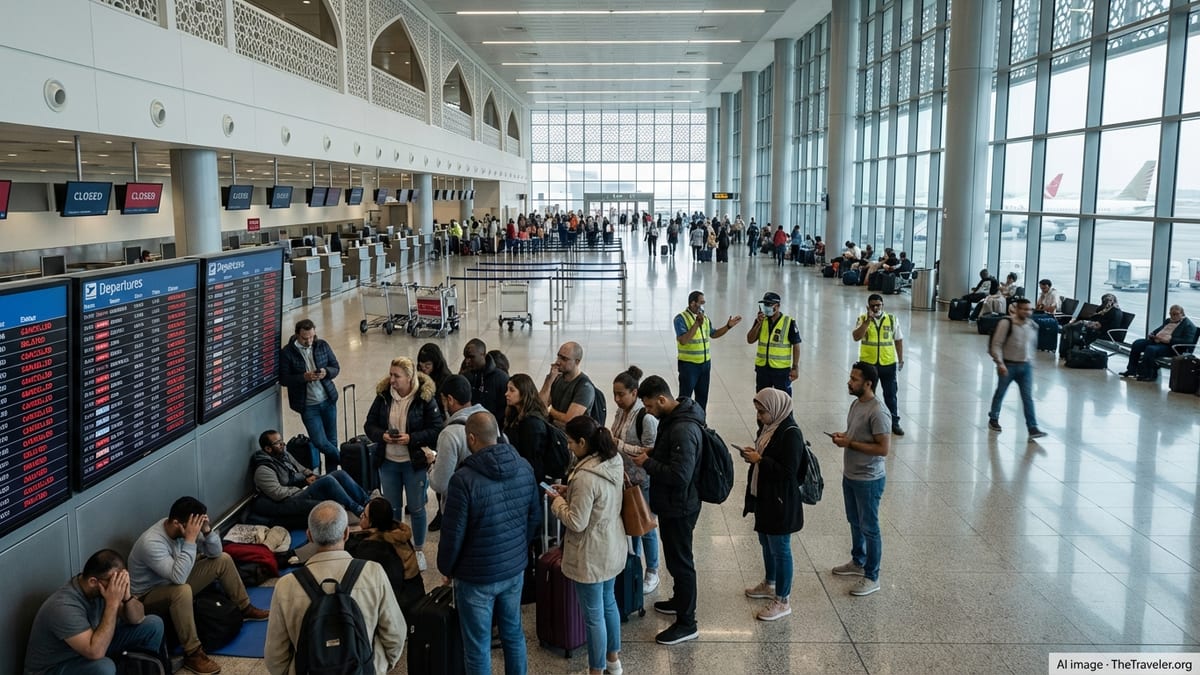
UAE introduces tighter Ebola controls for arrivals from Africa
Publicly available information from Emirates and UAE media shows that the United Arab Emirates has activated new entry controls for travelers with recent stays in the Democratic Republic of Congo, Uganda, and South Sudan. The measures follow Ebola-related health alerts in parts of Central and East Africa and are intended to reduce the risk of imported cases through major hubs such as Dubai.
According to published coverage, the UAE will not permit entry to travelers who have been in any of the three listed countries within a recent period unless they can demonstrate that they have remained outside those territories for more than 21 days before reaching the Emirates. This lookback window aligns with widely cited guidance on the typical incubation period for Ebola virus disease.
The restrictions apply both to direct flights and to indirect routings where Dubai is the first point of entry into the UAE. Reports indicate that passengers attempting to bypass the rules by briefly transiting third countries remain subject to the same screening, with airline systems and border checks focusing on travel history rather than only the last point of departure.
At the same time, the UAE Ministry of Health and Prevention has publicly emphasized that there are no confirmed Ebola cases inside the country, while stressing enhanced surveillance and preparedness. The combination of tightened border controls and reassurance about domestic conditions is shaping how airlines based in Dubai are communicating with passengers.
Emirates updates travel advisory and stresses preflight checks
Emirates has updated its travel updates page to highlight a specific advisory on Ebola-related measures affecting several countries, including the UAE itself. The carrier is drawing attention to the fact that multiple governments have now introduced new health screening or outright entry bans in response to developments in Africa, and that these rules sit alongside existing visa and passport requirements.
The airline is advising passengers to verify the entry conditions of their final destination using official government resources before travel. Publicly available information shows that Emirates is reminding customers that entry and transit decisions rest with state authorities and can change at short notice. Travelers who discover, at check in or during transit, that they do not meet updated conditions may be denied boarding or onward travel even if they hold valid tickets.
Reports also indicate that Emirates is flagging the 21 day travel history requirement linked to the Democratic Republic of Congo, Uganda, and South Sudan for entry into the UAE. In practice, this means that passengers booking itineraries to or via Dubai must ensure that their recent movements are compatible with the new rules, and should be prepared to answer questions or present supporting documentation if required.
Publicly available coverage of the advisory suggests that Emirates will continue adjusting schedules and customer guidance as government rules evolve. For travelers, the key message is to treat Ebola-related checks as an additional layer of border control that may sit alongside security screening, visa verification, and other health measures.
flydubai echoes warnings and highlights dynamic entry requirements
flydubai has issued its own operational update noting that several countries have introduced Ebola-related measures and advising customers to confirm applicable entry rules before starting their trips. The airline points out that health and immigration requirements are determined by governments and can change rapidly, and that passengers remain responsible for holding the correct documents and meeting health criteria for every point on their itinerary.
Information on the carrier’s website underlines that travel requirements are updated to the best of its knowledge but may shift without prior notice. As a result, flydubai is directing customers to consult official government and public health channels for the latest entry and transit rules, particularly if they have recently been in or are planning to travel from affected regions in Africa.
For passengers flying from or through East and Central Africa, this means that an apparently routine itinerary into Dubai may now involve additional checks or restrictions linked to past travel in the Democratic Republic of Congo, Uganda, or South Sudan. flydubai’s messaging reinforces that travelers should not assume that indirect routings or brief stops in other countries will exempt them from scrutiny where authorities are examining full travel histories.
The airline also continues to reference broader operational adjustments across its network, with some routes operating on reduced schedules. In the current context, Ebola-related controls are one of several factors that can affect departure times, connection windows, and the overall experience of using Dubai as a transfer hub.
What passengers arriving or transiting through Dubai should expect
For passengers originating in, or having recently passed through, affected parts of Africa, the most immediate impact is the potential for denied boarding if they do not satisfy the UAE’s new entry criteria. Airline check in agents are expected to review travel histories and documentation more closely for routes that touch risk flagged regions, and may refuse carriage where rules are not met.
Travelers who are allowed to continue to Dubai can expect continued emphasis on health screening and documentation checks at various points of the journey. Publicly available guidance from international aviation and health bodies indicates that enhanced screening may include health questionnaires, temperature checks, and targeted interviews based on travel history, although implementation details vary between airports.
Those using Dubai solely as a transit point must still comply with the entry and transit conditions of the UAE as well as the requirements of their final destination. Emirates and flydubai both highlight that some countries beyond the UAE have introduced their own Ebola measures, meaning that a multi stop itinerary can involve several layers of screening and documentation. Passengers are being urged to leave additional time for connections and to build flexibility into their plans in case of secondary checks or schedule changes.
Families, business travelers, and transit passengers are therefore being advised by publicly available information to monitor airline travel update pages and local news reports in the days before departure. In a fast moving regulatory environment, the rules applicable at booking time may not be identical to those in force at check in or arrival.
Practical steps to stay compliant with the latest Ebola-related rules
Travel industry advisories suggest a number of practical steps for passengers planning to fly with Emirates or flydubai from Africa to Dubai. These include reviewing travel histories over at least the previous 21 days, checking whether any stay or transit in the Democratic Republic of Congo, Uganda, or South Sudan will fall within that period on the date of arrival in the UAE, and adjusting travel dates or routings where necessary.
Passengers are also encouraged by publicly available guidance to consult official government portals for both the UAE and their final destination to confirm whether additional health declarations, vaccination records, or locator forms are required. Some countries have introduced electronic health forms that must be completed before check in, while others rely on on arrival screening alone. Knowing these details in advance can help prevent last minute issues at the airport.
Airlines and travel platforms continue to remind customers to keep contact details in bookings up to date so they can receive notifications about schedule or rule changes. For complex itineraries, travel management companies and visa specialists are emphasizing the need for clear documentation of recent movements, especially for frequent travelers who may have visited multiple countries within a short period.
With Dubai operating as a major connecting hub between Africa, Europe, Asia, and the Americas, the latest Ebola-related entry measures are expected to remain an important factor in trip planning for affected travelers. For now, Emirates and flydubai are aligning their advisories with evolving government decisions and asking passengers to treat compliance with health related rules as a core part of preparing to fly.