


More news on this day
Indonesia remains one of the world’s most visited destinations in 2026, with Bali, Java and the outer islands drawing millions, even as updated foreign travel advisories highlight a complex mix of security, health and natural hazard risks that visitors are urged to assess carefully before departure.
Get the latest news straight to your inbox!
Current Security Picture and Travel Advisories
Major Western governments continue to rate Indonesia as a destination where most trips proceed without serious incident, while advising visitors to exercise increased caution. The United States categorizes the country at an intermediate advisory level, citing concerns that range from sporadic unrest and the risk of terrorism to the potential impact of natural disasters on infrastructure and transport. Similar language appears in updated advice from the United Kingdom, Australia, Germany and the Netherlands, which collectively frame Indonesia as broadly open for tourism but emphasize that conditions vary sharply by region.
Several advisories single out Papua’s highland and central areas as locations where foreign governments restrict or discourage travel, pointing to episodes of violence, local tensions and limited emergency support. These warnings contrast with the more permissive stance toward Indonesia’s main tourism hubs, including Bali, Yogyakarta and much of Java and Sumatra, where recent reports describe a steady recovery in visitor numbers and a largely routine security environment.
Travel guidance published in July 2026 underlines that risks are not static. Governments have refreshed their advisories several times in the past two years in response to localized incidents, such as small scale security operations or demonstrations, even where these events had little direct impact on tourists. Prospective visitors are therefore urged to monitor advisories close to their travel dates, rather than relying on information gathered months in advance.
Independent travel safety assessments and insurance industry briefings generally align with the official picture, rating Indonesia as a moderate risk environment compared with some of its regional neighbors. Analysts note that most visits continue to be trouble free but emphasize crime awareness, avoidance of political gatherings and flexibility in itineraries as practical precautions for 2026 travel.
Natural Hazards: Volcanoes, Earthquakes and Weather
Located on the Pacific Ring of Fire, Indonesia faces persistent geological risks that remain a central consideration for 2026 travel planning. Official disaster management agencies and scientific monitoring centers track more than a hundred active volcanoes and frequent seismic activity. In May 2026 an eruption at Dukono in North Maluku caused casualties and ash emissions that disrupted local life and transport, underscoring how quickly conditions can change in specific areas.
Recent bulletins also highlight raised alert levels at several volcanoes, including Mount Tambora, where authorities upgraded monitoring in March 2026 following increased deep volcanic earthquakes. While these developments have not triggered nationwide restrictions, they illustrate the need for visitors to follow local guidance, pay attention to exclusion zones and remain prepared for sudden closures of hiking routes or airspace around active peaks.
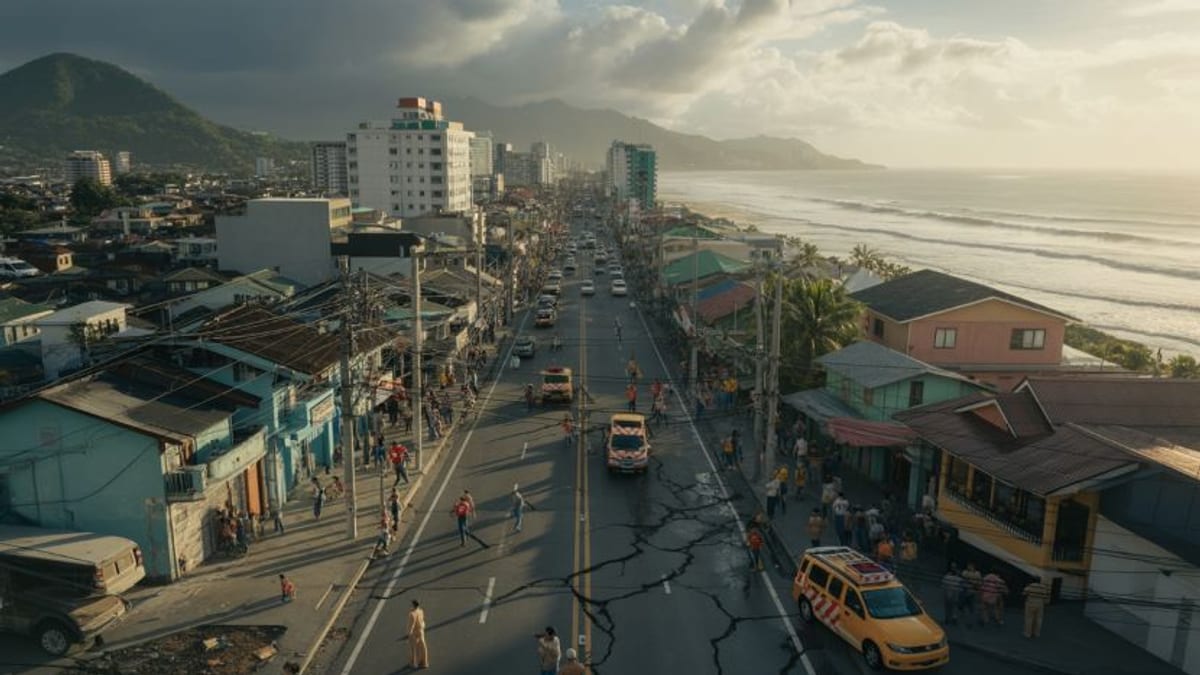
Indonesia also records regular moderate earthquakes, some causing injuries and damage to buildings, particularly in more vulnerable or remote communities. Event lists from 2025 and early 2026 show that such quakes can affect transport links and accommodation standards even where casualties are limited. Travelers are encouraged to familiarize themselves with basic earthquake safety practices and to choose lodging that adheres to modern construction standards where possible.
Monsoon weather and heavy rainfall bring additional hazards such as flooding and landslides, especially between late in the year and the early months of the next. Updated travel advice notes that road conditions can deteriorate quickly in rural and mountainous regions, affecting overland routes used by backpackers and tour groups. Flexible itineraries, travel insurance that covers delays, and attention to local weather alerts remain important safeguards for visitors in 2026.
Health Risks: Dengue, Emerging Viruses and Entry Rules
Health considerations remain a prominent part of risk assessments for Indonesia in 2026. National health authorities and the World Health Organization report ongoing dengue transmission across much of the archipelago, with a dedicated national action plan for dengue control covering 2026 to 2029. Surveillance data for 2025 and early 2026 indicate fluctuating but persistent case numbers, with some provinces experiencing seasonal spikes that coincide with peak travel periods.
In addition to dengue, Indonesia has recorded a small but rising number of confirmed cases of hantavirus related illness since 2024, concentrated in several provinces. Publicly available health circulars from early 2026 call for heightened clinical awareness and vector control, though the overall case count remains low relative to the country’s population. Travelers are nevertheless advised to maintain strict bite and rodent avoidance measures, including the use of insect repellent, long clothing and screened accommodation where feasible.
Routine vaccination recommendations, including protection against hepatitis, typhoid and tetanus, remain in place for most visitors, and health agencies stress the importance of insurance that covers medical evacuation from remote islands. Large urban centers and tourist hubs offer private clinics and hospitals with higher standards of care, while facilities in outer regions may be limited, affecting response times in emergencies.
Entry procedures continue to evolve following the pandemic era. Updated guidance in 2026 notes the rollout of a unified digital arrival card and health declaration system that visitors must complete shortly before travel. Officials have also adjusted some visa categories and on arrival processes over the past two years. Travelers are urged to check current visa and health entry requirements with official sources shortly before departure, as airlines may deny boarding if documentation is incomplete.
Local Regulations, Tourism Levies and Responsible Conduct
Regional regulations within Indonesia play an increasing role in shaping the visitor experience. In Bali, a provincial tourism levy introduced in February 2024 remains in force and has been refined through subsequent regulations and guidance. The charge, collected through an official payment platform or at designated points of entry, applies to most foreign tourists and is earmarked for cultural preservation and environmental programs on the island.
Authorities in Bali have also published detailed guidelines for visitor behavior, covering issues such as respectful dress at temples, compliance with traffic rules when renting motorbikes and adherence to local customs during religious ceremonies. Circulars issued in 2025 emphasize that foreign tourists who breach certain regulations may face fines or deportation. These measures have continued into 2026 as the island seeks to balance mass tourism with community expectations.
Elsewhere in Indonesia, local governments retain discretion over zoning rules, alcohol regulations and closing times for entertainment venues. Travelers moving beyond the main tourist hubs often encounter more conservative social norms, particularly in parts of Sumatra, Java and Sulawesi. Recent travel advice encourages visitors to research local customs in each province, both to avoid misunderstandings and to reduce the likelihood of legal problems.
The tightening of rules reflects broader debates within Indonesia about sustainable tourism and cultural preservation. Policy documents and public discussion over the past two years point to concerns about overtourism, strain on infrastructure and inappropriate behavior at sacred or environmentally sensitive sites. Visitors in 2026 are more likely to encounter visible signage, briefings from guides and checks at attractions designed to align tourist activity with these evolving priorities.
Balancing Rewards and Risks for 2026 Trips
Against this backdrop, Indonesia remains a highly attractive destination in 2026, offering a wide range of cultural, natural and culinary experiences. Airline capacity into Jakarta, Bali and other gateways has largely recovered, and occupancy figures suggest that international tourism has rebounded strongly. For many travelers, the practical reality on the ground continues to be one of busy beaches, vibrant city streets and well established tourism services.
However, the same factors that have always shaped travel to Indonesia continue to apply, and in some respects have intensified. Natural hazards, infectious disease risks, localized security concerns and stricter local regulations require a more informed and flexible approach than in the pre pandemic era. Up to date research, careful itinerary planning and comprehensive insurance are increasingly presented as essential rather than optional steps.
Analysts reviewing conditions through mid 2026 broadly conclude that Indonesia is safe to visit for most tourists who undertake these preparations and remain attentive to their surroundings. The key distinction lies between high traffic tourism corridors, where infrastructure and oversight are comparatively strong, and remote or politically sensitive areas, where both risk and uncertainty are higher. Travelers are encouraged to match their plans to their risk tolerance and to remain alert to advisory changes in the months leading up to and during their trip.