


More news on this day
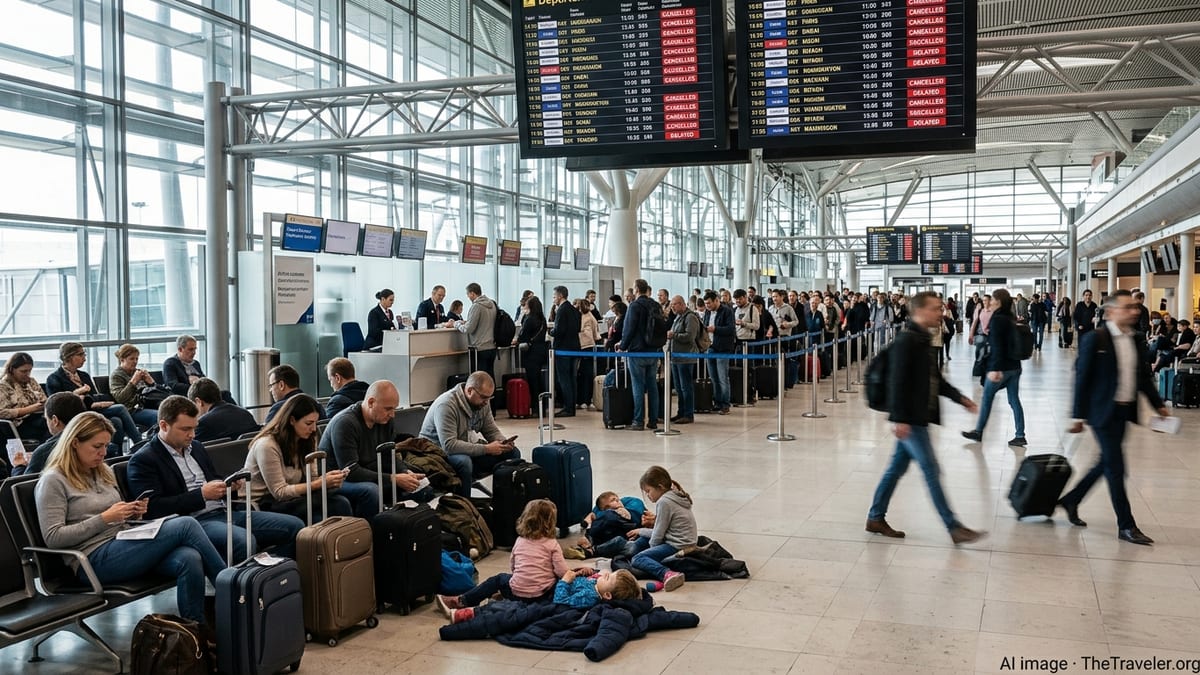
Air passengers in Europe are set to keep cash compensation for long delays and cancellations under a landmark political deal that updates the region’s air travel rules for the first time in more than 20 years, while adding stricter obligations on airlines to inform travelers, process claims and care for stranded customers.
Get the latest news straight to your inbox!
Long-delayed reform protects existing compensation levels
The new framework follows more than a decade of negotiations on revising the European Union’s air passenger rights regulation, widely known as EU261, which has governed compensation for cancellations, long delays and denied boarding since 2004. After years of deadlock, EU lawmakers and member states reached a provisional agreement in mid-June 2026 that preserves the core right to monetary compensation when flights arrive over three hours late, are cancelled at short notice, or are overbooked.
Reports indicate that compensation bands will continue to range from 250 to 600 euros per passenger, depending on flight distance and length of disruption. Airlines had pressed for higher delay thresholds and lower payouts, arguing that the current scheme imposes heavy costs and distorts operational decisions, but that push was ultimately rejected in the final compromise text.
Publicly available information from European institutions and specialist passenger-rights platforms describes the accord as a political agreement, meaning the technical text still needs to be finalized and formally adopted. Once that process is complete, the revised regime is expected to apply from 2027, giving carriers and national enforcement bodies time to adjust their procedures.
For travelers, the most immediate impact is that the basic entitlement to cash compensation for serious disruption remains intact, despite intense lobbying from parts of the aviation industry. Consumer groups that had warned of a potential rollback are presenting the outcome as a significant defense of existing protections.
Clearer rules on delays, cancellations and “extraordinary circumstances”
Beyond the headline decision to maintain compensation levels, the agreement seeks to clarify how and when travelers can claim money when plans go wrong. According to published coverage of the deal, the three-hour arrival delay threshold is confirmed as the key trigger, and cancellations notified less than 14 days before departure will continue to qualify in many cases, particularly when re-routing leads to substantial schedule changes.
The revised rules are also designed to settle long-running disputes over what counts as an “extraordinary circumstance” that exempts airlines from paying compensation. Public summaries indicate that events such as extreme weather, natural disasters, war, security incidents, air traffic control strikes and certain airport or ground-handling failures will remain outside carriers’ direct responsibility for financial payouts, although assistance obligations like meals and accommodation can still apply.
At the same time, disruptions caused by technical problems within an airline’s control, crew shortages or operational mismanagement are expected to remain clearly compensable. Observers note that the new legal language aims to provide more consistent interpretations across national courts and enforcement bodies, which have sometimes applied EU261 differently from country to country.
The framework also tightens timelines for airlines to communicate with affected passengers. Reports from European political groups involved in the talks indicate that carriers will be required to send written explanations of the cause of a delay or cancellation, along with guidance on how to seek compensation, within a set number of days after the disruption.
Stronger duties on care, refunds and rerouting
In addition to compensation for qualifying events, the updated rules reinforce obligations around care and assistance when travelers are stranded. Coverage from European outlets describes measures to ensure that passengers receive timely access to food, drink and accommodation when delays stretch into long waits or overnight stays, regardless of whether the airline later owes cash compensation.
Refund and rerouting rights are also being sharpened. The political deal outlines clearer options for passengers to choose between a refund of the unused ticket and rebooking on the earliest available service, including on alternative carriers in certain circumstances. This is intended to reduce disputes at airport desks and call centers during major disruption events, when travelers often struggle to understand what they can reasonably request.
Another focus of the reform is speeding up complaint handling. According to explanations from EU bodies, airlines will face stricter deadlines to acknowledge and resolve compensation claims, as well as clearer requirements to maintain accessible, user-friendly claim channels. National authorities are expected to gain stronger tools to monitor compliance and, where necessary, impose penalties for systemic non-observance.
For frequent travelers, these procedural changes may prove as important as the headline compensation figures. Clearer pathways to refunds, rerouting and care can significantly reduce the financial and emotional impact of major disruptions, particularly for families and business travelers on tight schedules.
New protections on baggage, seating and vulnerable passengers
The agreement extends beyond delay and cancellation payments to cover several practical aspects of the travel experience that have become flashpoints in recent years. According to reporting by European media, the deal brings greater transparency to baggage entitlements and ancillary fees, responding to complaints about confusing fare structures and last-minute charges at the airport.
Passengers are expected to gain stronger guarantees around basic cabin items and personal belongings, along with clearer disclosure of any optional fees at the time of booking. While not all proposals for fully standardized free cabin baggage were included, the final text is designed to make it easier for consumers to compare offers and avoid unexpected costs.
Family seating and the treatment of travelers with reduced mobility are also addressed. Public information from parliamentary negotiators highlights a forthcoming ban on surcharges that force parents to pay extra to sit next to young children, as well as enhanced protections for passengers who need assistance at the airport or on board. Rules covering companions of travelers with disabilities are set to become more generous, reducing the risk of separation during disrupted journeys.
These additions reflect a broader shift in European transport policy, in which passenger rights are treated not only as a question of financial compensation but also as a matter of dignity, accessibility and fairness during the entire travel chain.
Global context and what travelers should do now
The European overhaul comes as travelers worldwide continue to grapple with high levels of disruption, from weather-related cancellations to air traffic control bottlenecks. While Europe is moving to lock in and refine compensation rights, other major markets, including the United States, rely more heavily on voluntary airline commitments and transparency dashboards than on statutory cash entitlements for delays.
For international travelers, the patchwork of rules means that compensation opportunities can vary widely depending on the origin, destination and operating carrier of a flight. Consumer advocates often point to the European model as one of the strongest frameworks globally, and the latest reforms are being watched closely by regulators and industry groups in other regions.
Until the new European rules formally enter into force, today’s EU261 framework continues to apply. Travelers whose flights are cancelled or severely delayed are still advised, based on publicly available guidance, to document the disruption, keep receipts for any extra expenses, and file claims directly with airlines citing existing regulations.
Once the revised package is implemented, passengers can expect clearer explanations, firmer deadlines for responses and a more consistent approach to what constitutes a compensable delay or cancellation. For now, the political compromise reached in June 2026 signals that, in Europe at least, governments are choosing to preserve strong financial protections for air travelers while tightening the obligations on airlines when plans fall apart.