


More news on this day
Active wildfires around the Athens region are disrupting peak summer travel in Greece, with smoke, road closures and shifting evacuation zones prompting renewed safety warnings for visitors.
Get the latest news straight to your inbox!
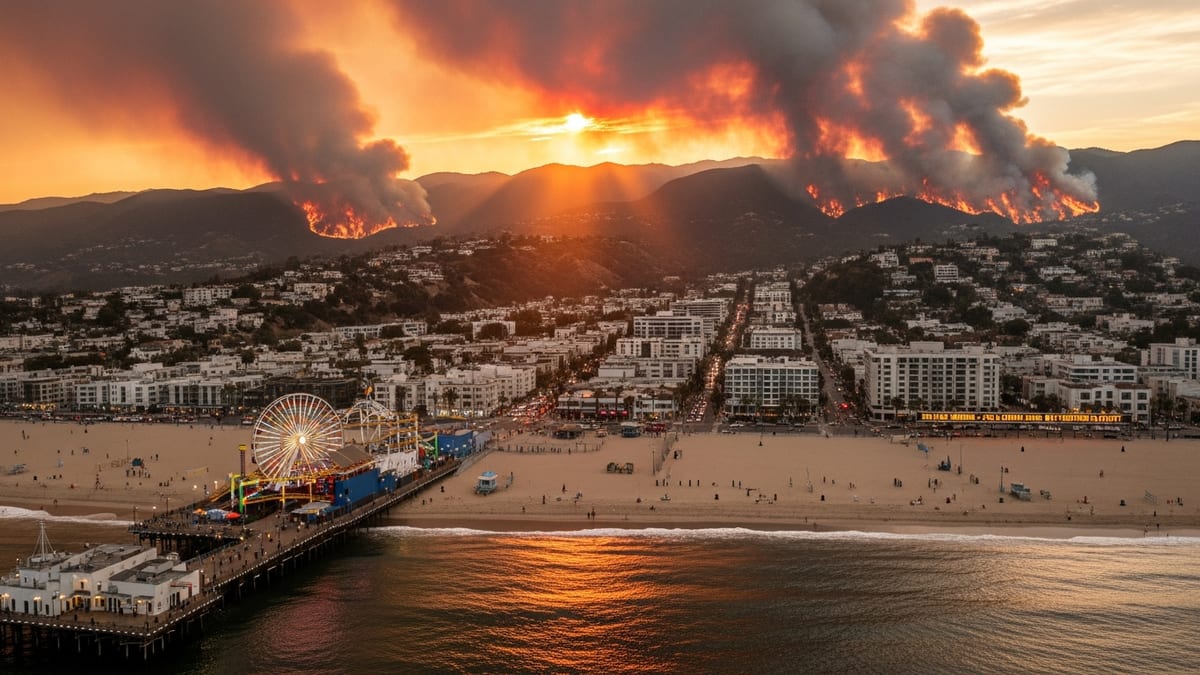
Fires intensify around the capital at peak holiday season
New wildfire outbreaks have been reported in areas west and northeast of Athens in recent days, coinciding with one of the busiest stretches of the Greek tourist season. Published coverage describes wind-driven flames moving through forest and scrubland on the fringes of the Attica region, periodically reaching close to residential districts and popular coastal zones.
Reports indicate that firefighting forces on the ground and in the air are contending with repeatedly flaring fronts as conditions change through the day. Strong, shifting winds and very dry vegetation, after weeks of hot weather, have helped fires spread quickly in hilly terrain that surrounds the wider Athens basin.
While Athens city center and major archaeological sites have not been directly threatened, smoke plumes have been visible from parts of the capital and nearby resort areas. This has raised concern among visitors with upcoming trips, many of whom are seeking clarity on whether it is safe or practical to travel through the region in the coming days.
Local transport and flight connections under pressure
Wildfires near key road corridors around Athens have periodically disrupted local and regional travel. Publicly available information and traveler accounts describe temporary closures or restrictions on sections of highways leading out of the capital, particularly toward coastal peninsulas and suburban communities in Attica that double as summer holiday bases.
So far, Athens International Airport continues to function, but smoke and firefighting aircraft operations in surrounding airspace have introduced an added layer of complexity for aviation authorities and airlines. Passengers are being advised by airlines and travel providers to monitor schedules closely in case of last-minute timing changes.
Ferry links from the Athens ports of Piraeus, Rafina and Lavrio toward the islands remain crucial for the tourism network. Although these ports have not been directly affected by fire, delays on access roads or wider civil protection measures could lengthen transfer times. Travelers connecting the mainland and islands through Athens are therefore building in extra time for overland journeys to and from ports and the airport.
Heightened safety guidance for tourists in Attica
In response to the evolving situation, civil protection bulletins and tourism advisories are emphasizing personal safety and situational awareness for visitors in the Athens region. Travelers are being urged to pay close attention to local announcements, hotel briefings and updated fire maps, particularly in peri-urban areas with pine forests and scrubland.
Routine summer restrictions on access to forests and certain hiking areas around Athens have tightened on days rated as high or extreme fire risk. Visitors planning outdoor activities on Mount Parnitha, Mount Hymettus and other popular green escapes near the city may find trailheads closed or vehicle access limited when danger levels rise.
Accommodation providers in affected or high-risk zones are revisiting evacuation procedures, identifying assembly points and checking transport options in case guests need to be moved quickly. Travelers are being encouraged to keep passports, medications and essential documents in a day bag that can be collected at short notice if evacuation orders are issued for their area.
Impact on island and mainland holiday plans
The Athens region acts as a major gateway for trips to the Aegean and mainland Greece, so disruption there can ripple across wider holiday plans. Even where fires remain some distance from major resorts, images of flames and smoke have prompted some visitors to reconsider itineraries or look for alternatives farther from current hotspots.
Travel industry reports suggest that some tour operators are reviewing excursions into heavily wooded areas of Attica, while encouraging guests to focus on urban sightseeing or island day trips less likely to be affected by wildfire activity. Independent travelers are also weighing whether to shorten stays near fire-affected suburbs and move sooner to islands or other regions.
At the same time, experienced Greece travelers note that wildfires, while dramatic, are often highly localized. Large parts of the country, including many island destinations, continue to operate normally, with clear skies and regular services. Tourists are therefore being guided to distinguish between immediate fire zones and regions where there is currently no direct impact, rather than assuming that the whole of Greece is affected.
Preparing for a more volatile Mediterranean fire season
The current fires around Athens come after several intense recent wildfire seasons in Greece, including major events that reached close to the capital and heavily affected islands such as Rhodes. Research cited by European and Greek institutions links longer, hotter summers and prolonged drought periods to a higher frequency of severe fires in the Mediterranean basin.
For travelers, this pattern means that late July and August trips increasingly overlap with the period of highest fire risk. Tourism specialists and climate analysts alike are underscoring the importance of flexible planning, comprehensive travel insurance and a readiness to adjust routes or dates if conditions deteriorate in a particular region.
Visitors heading to Athens in the coming days are being advised to stay informed through official civil protection channels, local news and updates from accommodation providers. Many are also building in contingency plans, such as alternative flight routes, additional nights in the capital in case of ferry disruptions, or the option to pivot to a different island or mainland destination if wildfires escalate near their original choice.
As the situation around Athens continues to evolve, Greece remains open to tourism, but the current fires serve as a pointed reminder that summer travel in the region is increasingly shaped by extreme-weather risks. Careful preparation and close attention to local conditions are becoming an essential part of any peak-season itinerary.