


More news on this day
Baseball fans headed for Toronto found themselves frantically refreshing airline apps instead of box scores after a work stoppage by WestJet flight attendants disrupted flights, prompting anxious cries of “Is there a Jays game?” from stranded passengers trying to salvage long-planned trips.
Get the latest news straight to your inbox!
Walkout hits peak summer and sports travel
The strike by WestJet flight attendants arrived at a time when demand for domestic travel to major Canadian cities is high, colliding with peak summer tourism and a packed sports calendar. Publicly available information shows that the airline, one of Canada’s largest carriers, faced an escalating dispute over pay, scheduling and working conditions, culminating in widespread cancellations and delays across its network.
Reports indicate that flights linking Western Canada with Toronto and other eastern hubs were among those most affected. For many passengers, those routes are key corridors for weekend getaways, family visits and trips built around marquee events such as Toronto Blue Jays home games at Rogers Centre. As the disruption spread, travellers accustomed to timing their arrivals around first pitch instead found themselves calculating whether any rebooked flight would land before the final out.
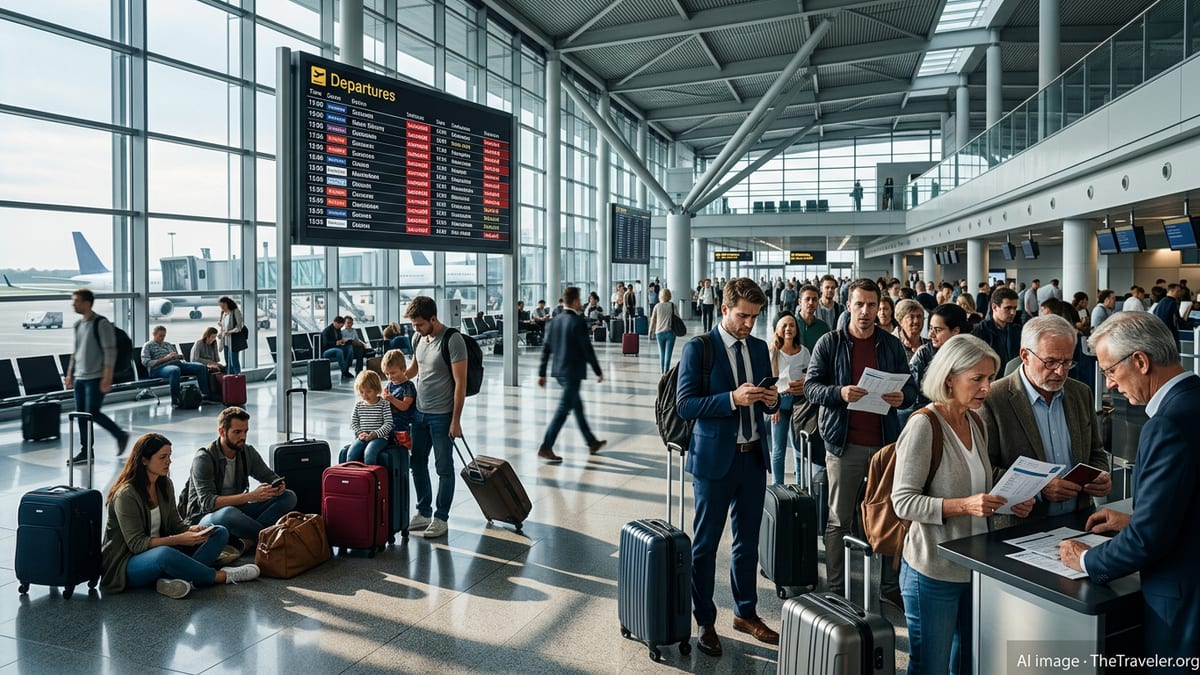
Published coverage describes busy terminals where departure boards flickered from “on time” to “cancelled” within minutes, leaving customers queued at counters and trying to piece together alternative itineraries by phone. The abrupt nature of the stoppage meant some travellers heard about the strike only after arriving at the airport, heightening frustration for those who had already prepaid for game tickets, hotels and ground transport.
Travel forums and social media posts captured a mix of exasperation and disbelief as would-be spectators weighed whether to persist in reaching Toronto or abandon their plans altogether. The question of whether a Blue Jays game was still within reach became shorthand for whether a disrupted trip could be salvaged.
‘Is there a Jays game?’ becomes a stranded traveller refrain
Among the stories emerging from the disruption, one recurring theme has been the number of affected passengers whose trips revolved around catching a Jays game. According to fan discussions and anecdotal accounts, many travellers had organized full weekends around a single home stand, often combining baseball with sightseeing, restaurant reservations and hotel stays in downtown Toronto.
Some passengers reported rushing from rebooked flights straight to the stadium with luggage in tow, hoping to make first pitch after hours of uncertainty. Others calculated that even if they managed to arrive late, a partial game was preferable to missing it entirely. For international visitors and fans traveling from distant Canadian cities, the stakes were higher, as tickets had often been purchased months in advance as part of bucket-list trips.
Publicly available reviews of downtown hotels highlight how common it has become for guests to book specifically to attend a Jays game, underscoring how closely air schedules and baseball calendars are intertwined for tourism in Toronto. When those air links suddenly falter, an entire day built around a game time can unravel, leaving visitors to decide whether to pay for last-minute alternatives or absorb the loss of their plans.
Travel commentators note that high-profile sporting events often serve as anchor points for trips, magnifying the impact when transportation is disrupted. In this case, the phrase “Is there a Jays game?” has come to reflect not only concern about making it to the stadium, but also broader anxiety about whether a long-anticipated escape can still live up to expectations.
Rebooking scramble tests airline and airport systems
The strike prompted a rapid and complex rebooking effort, testing airline call centres, airport staff and digital tools. According to published coverage, WestJet attempted to consolidate flights, charter additional aircraft where possible and shift passengers onto available seats on unaffected services. However, heavy summer loads limited the options, and many customers reported long waits for assistance.
Passengers described trying multiple channels at once, from mobile apps to airport kiosks and service desks, in an effort to secure any seat that might get them to Toronto before the first pitch or at least before the end of their scheduled stay. For groups headed to Jays games, synchronizing new itineraries added another layer of complexity, particularly when some members were rebooked successfully while others remained on standby.
Airport operations also felt the strain. Crowded check-in areas and security lines reflected the cascading effect of rolling cancellations, as passengers returned to terminals on successive days hoping that the latest rebooking would hold. Some travellers reported choosing to fly to alternate airports and complete their journeys by train or rental car, an option that added both time and expense but sometimes offered the only path to making a scheduled event.
Consumer advocates observing the disruption point out that, while labour disputes are a known risk in aviation, most travellers are ill-prepared for their timing to overlap with once-a-year occasions. When those occasions are tied to fixed dates such as game days, the window for successful rebooking narrows sharply.
Economic ripple effects for tourism and events
The immediate impact of the strike has been felt most keenly by passengers, but analysts note that the ripple effects extend into tourism and event-related spending. Visitors traveling to Toronto for a Jays game typically contribute to hotel occupancy, restaurant revenue and retail sales in surrounding neighbourhoods. When travel plans collapse, that spending often vanishes along with the trip.
Travel industry observers suggest that sudden flight disruptions can lead to a measurable dip in demand for downtown accommodations, particularly when people decide to cancel entire weekends rather than attempt to rebook around uncertain schedules. Businesses that rely heavily on game-day crowds, from bars near the ballpark to souvenir shops, may also notice reduced foot traffic when a portion of out-of-town fans fail to make it to the city.
At the same time, the situation has highlighted how major sporting events function as informal marketing for host cities. Fans who travel to see their team play frequently extend their stays to visit attractions, dine out and explore neighbourhoods. A labour dispute that severs those connections, even temporarily, can complicate efforts to promote Toronto as a reliably accessible destination for sports tourism.
Economists note that the long-term damage may be limited if the strike proves short-lived and travellers remain confident in future schedules. However, repeated disruptions can gradually erode trust, prompting some visitors to choose alternative destinations or adjust their timing to avoid potential flashpoints such as peak travel periods or unresolved labour negotiations.
What stranded travellers can do now
With many passengers still working through the aftermath of the strike, travel experts are emphasizing practical steps for those whose plans centred on a Jays game or other fixed-date events. Publicly available guidance from consumer groups advises travellers to document all expenses related to cancellations and delays, including unused game tickets, hotel nights and transportation costs, in case they can later seek compensation or partial reimbursement.
Specialists also recommend exploring alternative routes, including flights into nearby airports combined with rail or bus connections, for those still intent on reaching Toronto before their tickets expire. In some cases, switching airlines or accepting less direct routings can preserve part of a trip, even if it means missing the opening innings or rescheduling adjacent activities such as sightseeing.
For future travel, commentators are suggesting that fans build more flexibility into itineraries for high-stakes events. This can include arriving a day earlier when feasible, purchasing tickets with more flexible change options and considering travel insurance policies that specifically address labour disruption scenarios. While such measures add to upfront costs, they may help protect the value of expensive, non-refundable event tickets.
As WestJet and its flight attendants work through their dispute, the experience of Jays fans and other affected passengers is likely to inform how travellers plan around big games and other time-sensitive occasions. For many stranded this week, the overriding lesson has been that the answer to “Is there a Jays game?” can depend as much on labour negotiations as on the baseball schedule.