


More news on this day
Confused passengers clutching carry-on bags and ball caps found themselves scrolling for updates instead of boarding flights this Canada Day weekend, as a sudden strike by WestJet flight attendants disrupted travel across Canada and left some Toronto-bound travelers asking a once-simple question: Is there a Jays game, and will we make it in time?
Get the latest news straight to your inbox!
Labour dispute erupts at the height of summer travel
The industrial action by WestJet cabin crew began just as the peak summer season gathered momentum, affecting routes across the country and particularly busy corridors into Toronto. Publicly available information shows that the walkout followed a breakdown in contract talks over wages, scheduling and working conditions, with union representatives arguing that pay had not kept pace with the airline’s growth and post-pandemic demand.
Reports indicate that the strike triggered a wave of cancellations and last-minute schedule changes, disrupting thousands of passengers who had booked flights to coincide with long-weekend events. Among the most time-sensitive trips were journeys planned around Toronto Blue Jays home games at Rogers Centre, where out-of-town fans often arrange flights, hotels and game tickets as a single package-style getaway.
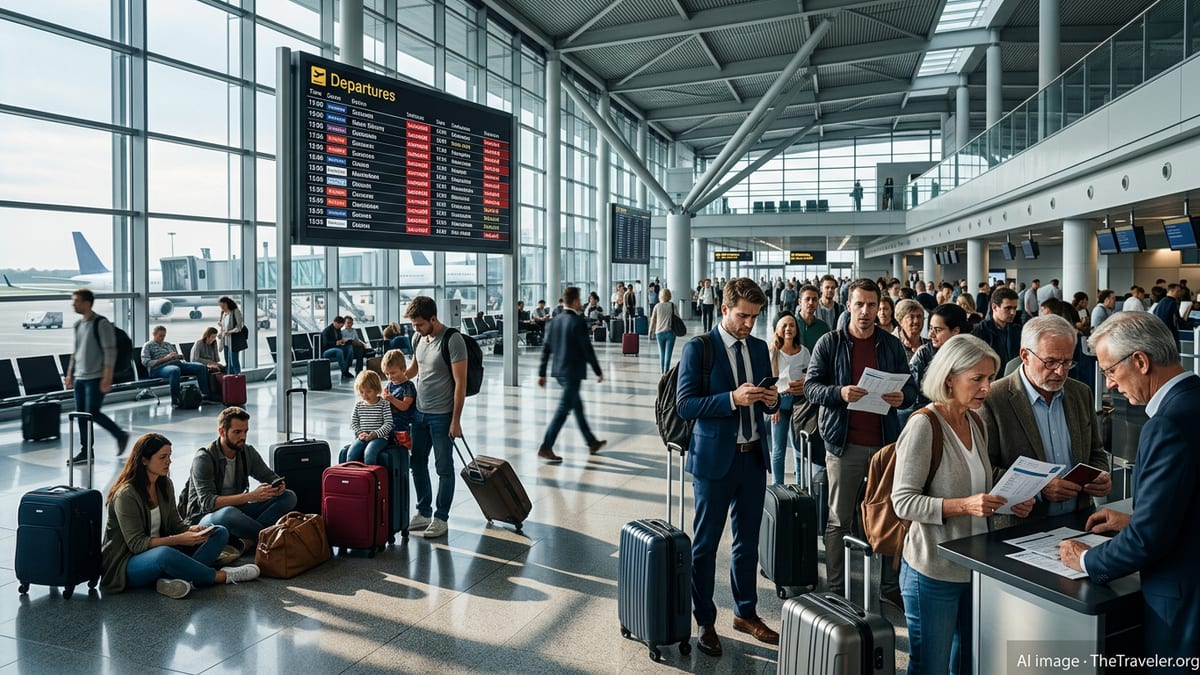
The timing of the dispute meant that many travelers arrived at airports to find departure boards rapidly changing. Some were offered rebookings on later flights, while others were advised to seek refunds or make their own alternative arrangements. For fans hoping to land in Toronto with just enough time to check in, drop bags and walk over to the ballpark, even short delays threatened to derail carefully crafted itineraries.
According to published coverage, WestJet argued that the strike was unnecessary and said it aimed to keep a reduced network operating, but staffing shortages limited how many flights could be protected. That left passengers juggling new departure times against first pitch, and questioning whether their long-anticipated ballpark experience would survive the disruption.
Blue Jays weekends become collateral damage
Toronto Blue Jays home games routinely anchor weekend travel to Canada’s largest city, drawing fans from across the Prairies, Atlantic Canada and Western provinces. Many of those travelers are casual leisure flyers who build their entire trip around a few hours at Rogers Centre. When WestJet’s flight attendants walked off the job, that model of tightly scheduled sports tourism suddenly looked fragile.
Accounts from affected airports describe lines of passengers trying to calculate whether alternative flights, long-haul drives or overnight buses would still get them to Toronto before game time. The repeated question at departure gates became some variation of the now viral refrain: Is there a Jays game, and do we still have a chance of seeing it?
For some, the answer depended less on airline policy than on geography. Travelers originating in cities with multiple carriers sometimes managed to switch to competitors, paying higher fares at short notice to salvage a long-planned outing. Those in smaller markets where WestJet operates the bulk of direct flights faced a starker choice: abandon the trip or piece together complex connections that might arrive well after the final out.
Tourism and hospitality businesses surrounding Rogers Centre, including downtown hotels that often advertise their proximity to Jays games, were left to navigate uncertain arrival times and, in some cases, last-minute cancellations. While the broader impact on bookings will take time to quantify, front-desk staff and concierges became de facto travel counselors, helping guests rework plans around shifting flight schedules.
Scramble for alternatives tests airline and airport systems
As news of the strike spread, WestJet moved to consolidate operations, grounding some aircraft and attempting to focus limited cabin crew on key routes. Public schedules showed widespread cancellations and a thinning of frequency on several domestic corridors, including those feeding into Toronto. This in turn put pressure on remaining services, which quickly sold out or filled with standby passengers hoping for a seat.
Airports across the network reported heavy lines at customer service counters as travelers sought rebookings and compensation. For fans with Jays tickets, the math was unforgiving. A flight pushed back by just a few hours could still arrive in Toronto late in the evening, turning what was meant to be a ballpark weekend into a simple overnight stay with no game attached.
The scramble also tested ground transportation options. According to publicly available information from travel providers, some passengers turned to long-distance buses, rental cars or ride-sharing plans with friends and family to bridge the gap left by grounded flights. In provinces separated from Toronto by thousands of kilometers, these options were often impractical for short weekend trips, reinforcing how dependent modern sports tourism has become on reliable, mid-priced air travel.
Digital tools played a central role in decision-making. Travelers tracked airline apps, flight-tracking platforms and social media updates while weighing whether to hold out for a rebooked seat or abandon the journey. For many, the calculation came down to a simple but difficult question: is it worth starting a complicated reroute if there is no guarantee of reaching the stadium before the seventh-inning stretch.
Union, airline and passengers weigh the stakes
Behind the scenes of missed vacations and ballgames lies a larger contest over pay and working conditions in Canada’s aviation sector. Union representatives have maintained that the strike is a response to sustained cost-of-living pressures and demanding schedules, pointing to cabin crew roles as essential but historically undervalued. They argue that improved compensation and protections are necessary to retain staff and prevent further disruption throughout the busy summer months.
WestJet, for its part, has presented the dispute as a delicate balancing act between fair wages, operational stability and ticket affordability. Publicly available statements from the airline emphasize a desire to reach a negotiated settlement that avoids long-term damage to its network and brand. Each day of disruption, however, risks pushing more travelers to rival carriers or to reconsider discretionary trips like sports weekends.
Passengers caught in the middle confront a complex reality. On one side, there is growing public awareness of the difficult conditions airline workers describe, from extended duty periods to unpredictable rosters. On the other, families and small groups who saved for a marquee Jays weekend find themselves facing sunk costs in nonrefundable tickets, hotel deposits and pre-booked experiences ranging from stadium tours to downtown activities.
The tension illustrates how closely aviation labor relations are woven into the broader travel ecosystem. A dispute that begins at the bargaining table can ripple quickly through stadium turnstiles, hotel lobbies and restaurant reservations, affecting workers and businesses far beyond the airport perimeter.
What stranded travelers are doing next
With negotiations continuing and no instant fix in sight, many stranded travelers have turned their attention to the practicalities of recovery. According to consumer travel advisories, affected passengers are reviewing their rights to refunds or rebookings, comparing airline offers with the costs of preserving hotel stays or game tickets for a future date.
Some Jays fans have opted to postpone their Toronto trips entirely, hoping to re-align flights and seats later in the season when schedules stabilize. Others have chosen to proceed without the ballgame, repurposing their time in the city for waterfront visits, museums or neighborhood dining while keeping a watchful eye on the team from sports bars instead of stadium seats.
For those still determined to pair their journey with live baseball, the coming weeks are likely to involve close monitoring of both the WestJet schedule and the Blue Jays calendar. Travel advisers recommend building in longer buffers around first pitch, considering early-morning arrivals the day before a game rather than tight same-day connections that leave no margin for delay.
In the meantime, the image of fans in team jerseys refreshing flight status screens has become an emblem of how quickly a labour dispute can reshape summer travel. Where a weekend itinerary once began with a simple question about the Jays, it now starts earlier and more anxiously, with travelers asking whether their airline will be flying at all when the gates open.