


More news on this day
Air travel across Europe faced another punishing day of disruption as operational data indicated 1,467 flights delayed and 74 cancelled across the United Kingdom, Italy, France, Germany, Greece and the Netherlands, impacting services for leading carriers including Air France, British Airways, KLM, Lufthansa and Aegean Airlines at major hubs such as London, Paris and Florence.
Get the latest news straight to your inbox!
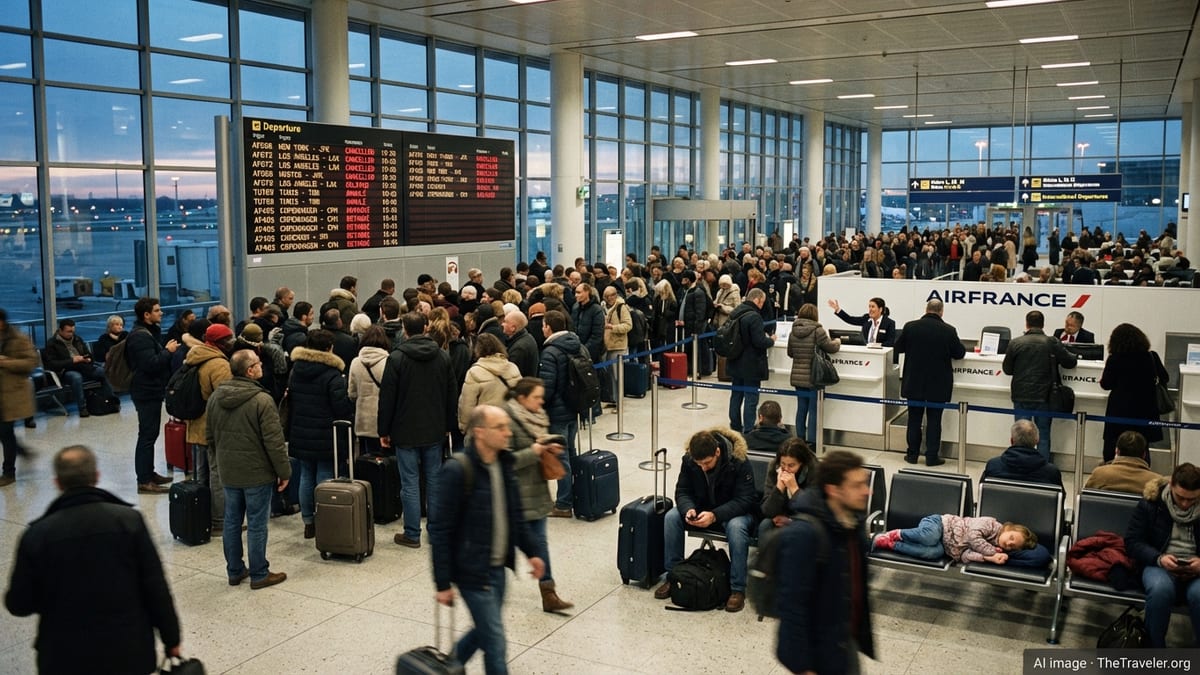
Congested Skies From London To Florence
The latest wave of disruption is concentrated around some of Europe’s busiest corridors, with London and Paris once again among the hardest-hit cities. Publicly available tracking data and recent operational snapshots show recurring clusters of delays at hubs such as Heathrow, Gatwick and Paris Charles de Gaulle, where knock-on effects from earlier schedule pressures have compounded today’s issues.
Italian airports are also feeling the strain, with Florence featuring among the affected cities alongside larger gateways in Rome and Milan. In Germany and the Netherlands, pressure on Frankfurt, Munich and Amsterdam Schiphol is contributing to wider network instability, making it harder for airlines to recover punctuality as the day progresses.
In Greece, disruption at key holiday and connecting airports is beginning to ripple outward just as early summer travel ramps up. Taken together, the figures point to a pan-European episode that goes beyond isolated weather or technical problems at a single location.
Flag Carriers Struggle To Keep Networks Moving
The disruption is touching many of Europe’s best-known airlines. Operational data and passenger reports highlight delays and cancellations affecting Air France services through Paris, British Airways flights to and from London, and KLM departures and arrivals at Amsterdam.
Lufthansa, which relies heavily on tight connections at Frankfurt and Munich, has seen punctuality eroded when even a small number of early rotations run late. Aegean Airlines passengers have reported interruptions on routes linking Greece to major European capitals, underlining how issues in central and western Europe can quickly spread into southeastern markets.
Low-cost and leisure carriers are not immune, but the latest snapshot is particularly disruptive for full-service airlines that depend on complex wave patterns of connecting flights. When flights are delayed in one city, subsequent legs across the network often depart late or are cancelled altogether, pushing the total number of affected services sharply higher by the end of the operating day.
Multiple Factors Behind The Latest Wave Of Disruptions
Published coverage in recent weeks underscores how a combination of factors has been undermining reliability across the continent. Earlier this spring, storms and adverse weather conditions forced widespread cancellations and delays across western and central Europe, while separate operational summaries pointed to air traffic control constraints and staffing shortages in certain markets.
Industrial actions in parts of the aviation system and tighter border and security procedures at some major stations have also contributed to longer ground times, particularly during peak hours. Reports indicate that when these pressures coincide with already busy schedules, airlines have limited slack to absorb additional strain without resorting to cancellations.
Eurocontrol network overviews and airline punctuality reports for March and April have already flagged rising delay minutes per flight and a growing gap between planned and operated schedules. Today’s numbers on 1,467 delayed and 74 cancelled flights appear to fit into that broader pattern of a system running close to capacity, where even routine disruptions can escalate quickly.
Passengers Face Missed Connections And Overnight Stays
For travelers, the impact is immediate and often costly. With delays spread across London, Paris, Florence and other European hubs, many passengers are experiencing missed connections onto long-haul services or onward short-haul links, forcing last-minute rebookings and, in some cases, overnight stays.
Travel reports from recent disruption days in Paris Charles de Gaulle and other hubs describe terminal congestion, long queues at customer service desks and difficulties securing alternative flights on already busy routes. Families heading to holidays and business travelers on tight itineraries are among those most exposed when flights slip by several hours or are cancelled outright.
Industry observers note that disruptions at one or two major hubs can quickly radiate outward. When aircraft and crews are out of position, schedules in secondary cities feel the impact, creating unexpected delays at smaller airports that were not initially affected by the original problem.
What Today’s Chaos Signals For The Summer Travel Season
The latest figures have heightened concerns about how Europe’s aviation network will cope with the approaching peak summer season. Eurocontrol forecasts and airport trade body data published this spring point to continued growth in passenger volumes across many European markets, even as airlines and infrastructure operators work to address lingering staffing and capacity constraints.
Analysts following the sector have warned that if current patterns of disruption continue, airlines may be forced to proactively thin schedules on certain routes to build more resilience into operations. Previous seasons have shown that trimming frequencies or consolidating flights can reduce day-of-travel cancellations, but may also limit choice and push fares higher on popular city pairs.
For now, the sharp tally of 1,467 delays and 74 cancellations across the United Kingdom, Italy, France, Germany, Greece and the Netherlands serves as a warning sign that Europe’s aviation system remains vulnerable. With major carriers such as Air France, British Airways, KLM, Lufthansa and Aegean already grappling with today’s turbulence, passengers planning trips in the coming weeks are likely to watch schedule updates closely as the busiest months of the year draw nearer.