


More news on this day
An exceptional early-summer heatwave is gripping Greece, France, Spain and much of Europe, pushing temperatures above 40 degrees Celsius, triggering health warnings and wildfires, and disrupting travel at the height of the continent’s tourism season.
Get the latest news straight to your inbox!
Red Alerts From Paris to the Aegean
Weather services across Europe have issued widespread red and orange heat alerts as a vast heat dome stretches from the Iberian Peninsula across France and into the Balkans. Reports from national meteorological agencies and international climate services indicate that France has endured some of its hottest June days on record, with dozens of departments placed under top-tier warnings as temperatures climbed into the mid-40s Celsius.
Spain has faced similar extremes, with official heatwave criteria met across large swathes of the country. Publicly available information shows that major cities including Madrid and Seville have recorded temperatures above 40 degrees Celsius, with regional authorities adjusting school hours and advising tourists to avoid midday outdoor activity.
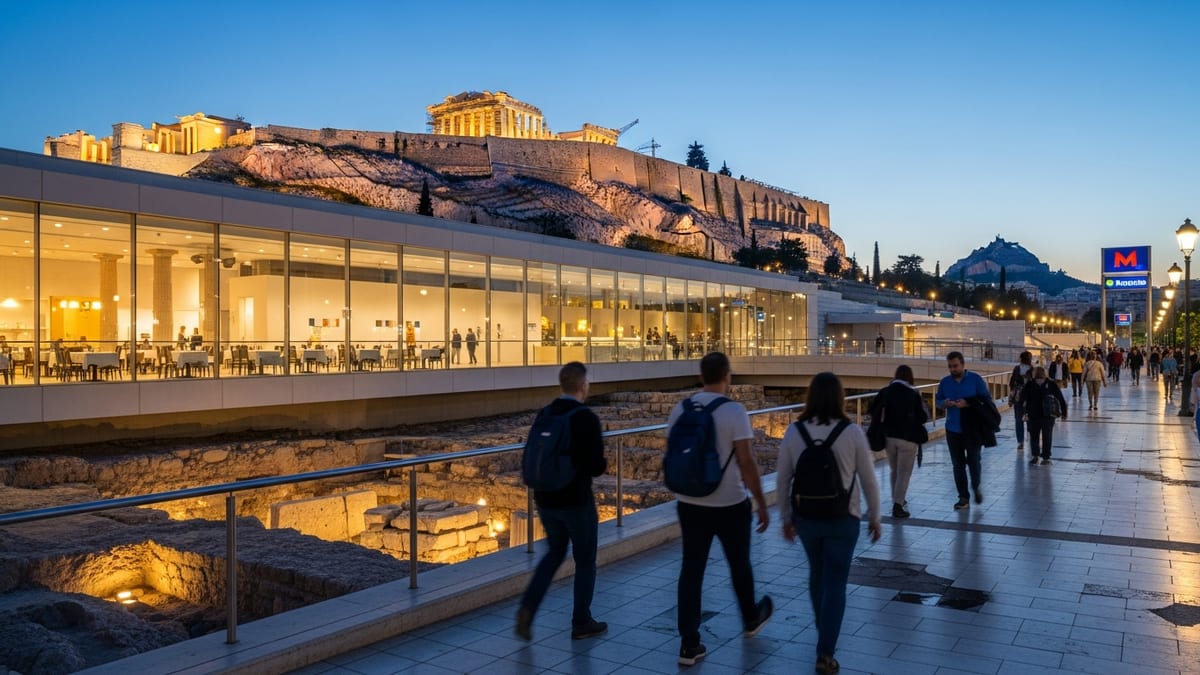
Greece, traditionally a summer hotspot, has joined France and Spain at the epicenter of this latest European heatwave. National data referenced by Greek and international media point to persistent high temperatures affecting both mainland regions and popular islands, including the Cyclades and the Aegean. The heat has arrived on the heels of several consecutive hot summers, adding to concerns that extreme temperatures are becoming a seasonal norm across southern Europe.
Climate monitoring programs in Europe describe this event as part of a pattern in which the continent is warming faster than the global average. Analysts highlight that repeated early and late season heatwaves are stacking on top of each other, intensifying pressure on health systems, ecosystems and tourist economies even before the traditional peak of July and August.
Water Shortages and Wildfire Peril in Tourist Regions
The heatwave has quickly exposed water vulnerabilities in some of Europe’s busiest holiday destinations. According to coverage in regional and international outlets, authorities in Greece have declared emergencies or introduced emergency measures on several islands over drinking water shortages. Recent reports highlight Aegean islands such as Alonissos and Tinos, where demand from residents and visitors has collided with stressed local supplies.
In northern Greece, a widely reported water outage in tourist settlements in the Halkidiki region underscored how fragile basic services can become when peak seasonal demand combines with extreme heat. Local media noted that households and hotels faced low pressure or dry taps during some of the hottest days of the year, prompting calls for immediate conservation and longer term investment in water infrastructure.
Across Spain, France and Italy, the scorching conditions have also elevated wildfire risk to critical levels. Meteorological bulletins and civil protection updates describe “very high” to “extreme” fire danger ratings in many inland and coastal provinces, with firefighters on alert after a series of early season blazes in parched forests and scrubland. Several regions have issued bans on open flames, restricted access to vulnerable natural parks and warned residents and tourists that even small sparks could rapidly escalate into fast-moving fires.
Images and field observations shared by environmental groups and agencies show bone-dry vegetation and soil, particularly in Mediterranean landscapes that have received below-average rainfall. Analysts warn that if the heatwave persists, or if a new surge of hot, dry air follows shortly after this event, Europe could again face a summer of intense fire activity similar to recent years.
Health Systems Under Strain as Tourists Seek Relief
Health agencies from Portugal to Greece have reactivated heat action plans aimed at protecting vulnerable people, including the elderly, outdoor workers and children. According to publicly available advisories, cities in France, Spain and Italy have extended the opening hours of cooling centers, shaded public spaces and air-conditioned community facilities in an effort to provide refuge during peak afternoon heat.
Media coverage in France notes that some municipalities have moved to restrict public alcohol consumption and large outdoor gatherings during the most intense periods, citing previous heatwave experiences in which dehydration, alcohol use and crowding contributed to spikes in medical emergencies. Reports from Spain and Germany describe local authorities reinforcing public messaging about hydration, avoiding direct sun and checking on isolated neighbors.
Tourist-heavy coastal areas are witnessing a parallel rush toward beaches, rivers and lakes as travelers and residents try to cool off. However, safety notices emphasize that unsupervised swimming and sudden immersion in cold water can carry serious risks, particularly for people with underlying health conditions. Recent reporting from France has drawn attention to an uptick in heat-related incidents and drownings linked to people seeking quick relief from extreme temperatures.
Public health experts quoted in European media argue that recurring heatwaves are reshaping the risk profile of summer travel in Europe. Travel medicine specialists and climate researchers increasingly describe heat as a silent hazard for visitors who may underestimate how quickly dehydration and heatstroke can develop when sightseeing or queuing outdoors for popular attractions.
Rail Slowdowns, Flight Disruptions and Infrastructure Stress
The heatwave is also testing Europe’s transport infrastructure, with railways and airports among the sectors under greatest strain. Engineering guidelines mean that, once air temperatures and track surface temperatures exceed certain thresholds, rail operators must slow trains to reduce the risk of buckled rails and signaling failures. Reports from multiple European rail networks indicate that services in France, Spain, Germany and parts of Scandinavia have been delayed or canceled, with operators in some countries urging passengers to travel only if necessary during peak heat.
Recent incident reports from northern Europe detail how high temperatures have contributed to track deformation, including at least one freight derailment in Sweden that halted traffic on a key route. In Germany, the heat has coincided with technical failures on parts of the rail communication system, compounding delays and cancellations on already crowded summer routes.
European air travel has not escaped the disruption. Aviation and travel industry coverage highlights pockets of delays and schedule changes as airports adjust ground operations to protect staff working on tarmacs and to manage storms triggered by the hot, unstable air. In some cases, airlines have altered departure times to avoid the hottest afternoon windows, while travelers report longer waits at security and boarding under sweltering terminal conditions.
Energy infrastructure is also feeling the strain. Media reports from France and Italy describe localized power outages linked to soaring demand for cooling in cities, as well as heat-related faults in grid equipment. In one French region, tens of thousands of customers temporarily lost electricity after a transformer failed during peak temperatures, raising concerns about how resilient Europe’s power systems are under repeated heat stress.
Tourism Industry Adapts as Climate Risks Rise
With millions of visitors circulating between Mediterranean resorts, historic city centers and mountain destinations, the timing of the heatwave is particularly sensitive. Travel analysts note that June traditionally marks the start of Europe’s high season, and this year’s pattern of repeated heat episodes is prompting a reassessment of how destinations manage visitor flows and safety during extreme weather.
According to travel trade publications, hotels and tour operators in Greece, Spain and France are increasingly promoting early morning and late evening excursions while advising travelers to avoid midday activities, particularly in exposed archaeological sites and urban plazas with little shade. Some major attractions, including museums and heritage landmarks, have temporarily adjusted opening hours or capacity to limit overcrowding in poorly ventilated areas.
Industry observers suggest that the current crisis could accelerate longer term changes in European tourism. These may include investment in shade, fountains and cooling systems in public spaces, upgrades to building insulation and air conditioning at accommodation providers, and a renewed focus on distributing visitor numbers more evenly across seasons to reduce peak-summer pressure on water, energy and health services.
Climate researchers and economic analysts writing in European outlets stress that such adaptations will likely become essential rather than optional if global temperatures continue to rise. For countries like Greece, Spain and France, whose economies rely heavily on summer tourism, the challenge will be to protect visitors and residents from intensifying heat while preserving the cultural and environmental assets that draw people to these destinations in the first place.