


More news on this day
Europe’s latest summer heatwave is colliding with peak holiday season, disrupting travel plans, pushing popular destinations beyond safe temperature thresholds and accelerating a deeper rethink of how, when and where people travel on the continent.
Get the latest news straight to your inbox!
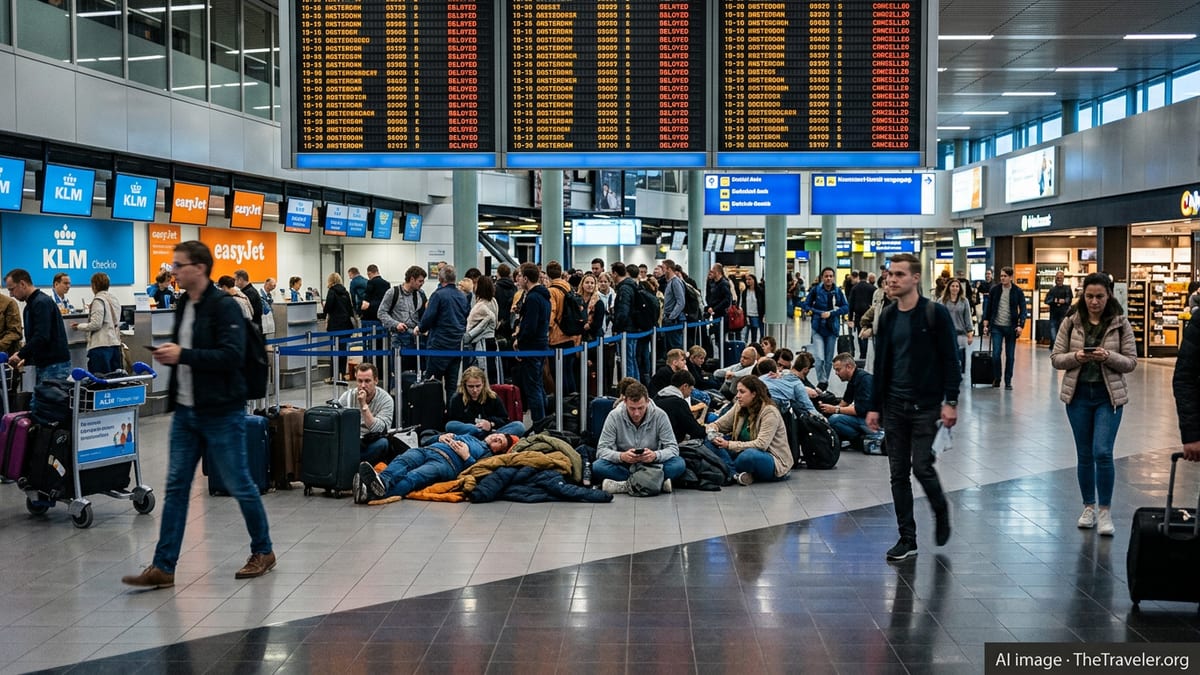
Record Temperatures Collide With Peak Travel Season
A succession of intense heatwaves in June, July and early August 2026 has driven temperatures above 40 degrees Celsius in parts of Italy, France, Spain, Austria and Slovakia, according to recent meteorological reports. In Central Europe, published data shows that Slovakia and Austria recorded their hottest days on record in early August, while France registered its hottest month ever in July, highlighting how extreme conditions are no longer confined to the Mediterranean.
Publicly available information from European climate services indicates that the continent is warming roughly twice as fast as the global average, making heat events more frequent, longer and more intense than in past decades. This trend is colliding directly with Europe’s traditional July and August holiday period, when millions of visitors converge on southern coastal regions and historic cities that are now experiencing prolonged stretches of hazardous heat.
Recent scientific assessments describe 2026 as already seeing multiple distinct heatwave episodes, following a pattern set by previous summers in 2022, 2023, 2024 and 2025. Those earlier seasons brought tens of thousands of heat-related deaths across Europe and repeated temperature records, offering a stark backdrop to this year’s tourism season and the current concerns over visitor safety.
Reports from travel forums and tourism operators suggest that, for many visitors, the practical impact of these extremes is immediate and tangible: sightseeing hours are being compressed into early mornings and late evenings, midday plans are being abandoned, and some trips are being curtailed altogether as heat alerts escalate.
Closures, Disruptions and Strain on Tourist Hotspots
Published coverage of recent summers in southern Europe indicates that authorities have repeatedly restricted access to outdoor heritage attractions during the hottest hours of the day to reduce the risk of heat-related illness. In Greece, for example, the Acropolis has been closed during peak heat on several occasions in recent years, and similar time-limited closures or reduced visiting windows have been reported at other exposed archaeological and cultural sites around the Mediterranean.
This season, a comparable pattern of disruption is emerging as cities face extended red-alert periods and temperatures that exceed typical comfort thresholds for tourism. Media reports from Italy describe major cities moving onto their highest heat alert levels, while parts of France contend with one of the longest recorded heatwave episodes in the country’s history. In practical terms, that often means fewer hours when visitors can safely queue outdoors, climb monuments or walk through largely unshaded historic centers.
Transport and infrastructure are also under strain. Rail services in several countries have faced speed restrictions on sections of track prone to heat-related deformation, while cooling systems in older hotels and budget accommodations have struggled to keep indoor temperatures at safe levels. Travel advisories from health and civil protection agencies across the European Union increasingly highlight heat as a primary summer risk, alongside wildfire smoke and water shortages in drought-affected regions.
For tour operators and local businesses that rely on predictable high-season demand, the combination of last-minute cancellations, shortened excursions and shifting daily schedules is reshaping the economics of July and August. Some operators are now promoting early morning or night-time tours as standard offerings, reflecting the reality that large parts of the day may be unsuitable for outdoor activities during prolonged heatwaves.
Tourist Safety Moves to the Forefront
As heat extremes become a recurring feature of European summers, tourist safety is moving from a secondary concern to a central planning factor for both destinations and travelers. Joint public health advice issued for major events and seasonal travel in southern Europe emphasizes hydration, limited sun exposure during peak hours, and awareness of early symptoms of heat stress, underscoring that high temperatures can pose serious health risks even to otherwise healthy visitors.
Travel advice platforms and consumer reports are increasingly explicit that itineraries built around long, exposed walks or full-day outdoor excursions may no longer be realistic in parts of southern Europe during heatwave weeks. Accounts from recent visitors describe cases of severe discomfort and heat stress in busy plazas, museum courtyards and famous viewpoints that offer little shade, particularly in cities where humidity has also increased.
Insurance providers and tour companies are beginning to adapt their terms and marketing to this new reality. Industry briefings suggest a rise in inquiries about trip insurance that covers climate-related disruption, as well as growing interest in products that allow flexible date changes if a destination is under sustained red-alert conditions. Some operators now highlight shaded routes, air-conditioned transport and indoor alternatives as selling points, reflecting a shift in what constitutes a “safe” and attractive city tour.
Publicly available research on tourism and climate risk also points to wider social and economic implications. Heatwaves can exacerbate existing vulnerabilities among seasonal workers, outdoor guides and hospitality staff who spend long hours in exposed settings, prompting calls from labor groups and advocacy organizations for stronger protections and clear heat action plans in tourism-dependent regions.
Cooler Destinations and Off-Season Travel Gain Ground
While southern Europe confronts the immediate effects of extreme heat, cooler destinations and shoulder-season travel appear to be gaining momentum. International tourism reports for 2026 highlight the growing popularity of so-called “coolcations,” in which travelers seek milder summer conditions in northern Europe, higher-altitude regions or coastal areas less exposed to heat extremes.
Economic analyses from organizations such as the OECD indicate that this shift is already visible in booking data, with above-average growth in visitor arrivals to northern and Baltic destinations compared with some traditional beach hotspots. Countries with historically mild, variable summers, including Ireland and parts of Scandinavia, are being framed in travel coverage as appealing refuges from severe heat, even if their weather remains less predictably sunny.
Seasonal patterns are also changing. Tourism studies note a gradual redistribution of demand away from the hottest months and toward late spring and early autumn, particularly for culturally focused city trips and active holidays. Online travel discussions show many prospective visitors weighing September and October as preferable months for visiting Italy, Greece and Spain, citing both lower temperatures and reduced crowding.
For Mediterranean destinations, this presents both a challenge and an opportunity. Extending the season into shoulder months could help stabilize revenue and reduce pressure on infrastructure in July and August, but it also requires investment in marketing, staffing and services outside the traditional peak. Local authorities and tourism boards are beginning to promote off-season festivals, food events and cultural programs as a way to attract visitors when conditions are more comfortable.
Reinventing European Tourism for a Hotter Future
The 2026 heatwaves are reinforcing a message that climate scientists, health agencies and tourism analysts have been emphasizing for several years: Europe’s travel industry must adapt to a hotter, more volatile climate. That adaptation spans everything from urban design and building standards to insurance products and destination marketing strategies.
Publicly available policy documents from European institutions encourage destinations to integrate heat risk into broader sustainable tourism plans, prioritizing more shade, greener public spaces, upgraded cooling systems and clearer communication of risks to visitors. Investments in resilient infrastructure, including water supply and energy networks, are seen as essential to keeping cities habitable and attractive during peak heat.
At the same time, the crisis is prompting difficult questions about the long-term viability of mass summer tourism in some of Europe’s most iconic destinations. As temperatures in parts of southern Europe edge closer to levels that climate researchers suggest could one day approach 50 degrees Celsius, discussions about visitor caps, time-based ticketing and mandatory heat-mitigation measures are gaining urgency.
For travelers planning trips in the coming years, the evolving situation points toward a new set of norms: more careful attention to seasonal forecasts, a greater focus on destination climate profiles, and an acceptance that itineraries may need to be flexible as heatwaves become a defining feature of Europe’s high season.