


More news on this day
Passengers traveling to and from Ireland are facing fresh disruption as a Europe-wide wave of around 1,800 delayed flights spills over into Irish airports, stretching airline schedules and complicating weekend travel plans.
Get the latest news straight to your inbox!
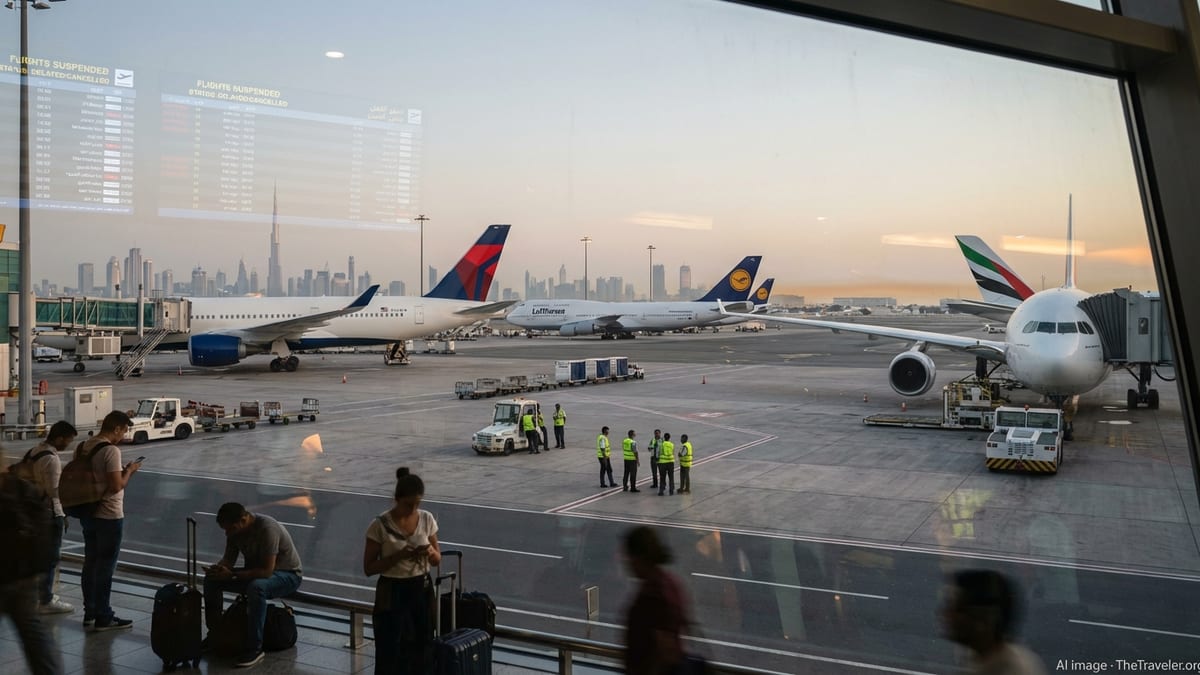
Delays ripple from continental hubs into Irish airports
Publicly available aviation data for Europe on Saturday 23 May indicate that roughly 1,800 flights are running late across the continent, with dozens more cancelled or diverted. Reports describe the disruption as concentrated around major hubs in France, Germany, Spain and the Netherlands, but the knock-on effects are now clearly visible in Ireland, particularly on short haul routes linking Dublin, Cork and Shannon with mainland Europe.
Information compiled from flight tracking dashboards and industry monitoring sites shows a familiar pattern: early bottlenecks at large continental hubs, followed by missed slots and crew rotation issues that filter outward as the day progresses. Services operating into Ireland from Amsterdam, Paris, Frankfurt, Barcelona and Lisbon are among those reporting extended delays, while some outbound flights are departing late as aircraft and crews arrive behind schedule.
The scale of the latest disruption echoes earlier episodes in April and May, when Europe recorded between 1,400 and 2,000 delayed flights on multiple days. On several of those occasions Ireland saw a second wave of problems hours after the initial peak on the continent, underscoring how tightly Irish connectivity is tied to wider European network performance.
Weather, staffing and airspace pressures combine
Recent coverage of European operations points to a mix of factors behind the current wave of delays. Unsettled late spring weather over parts of western and central Europe has contributed to temporary capacity reductions at busy hubs, with thunderstorms and low cloud requiring increased spacing between aircraft and periodic ground stops. Airlines have also been managing a lingering shortage of air traffic controllers and some local staffing challenges in ground handling.
Analysts note that the system is running close to full capacity compared with pre‑pandemic levels, leaving little room to absorb even minor disruptions. Eurocontrol briefings for the spring period highlight rising air traffic flow management delays per flight and continued pressure on some en route sectors, particularly during peak hours. When these constraints intersect with weather and local operational issues, the result is often a rapid build‑up of primary delays that then cascade across the network.
Irish routes are especially exposed where they depend on congested airspace over the UK and near‑continental corridors. Earlier this year, short notice staffing constraints at Cork triggered localized overnight restrictions, illustrating how even a small reduction in capacity at a single node can cause measurable knock‑on effects. The current Europe-wide pattern magnifies those vulnerabilities as airlines juggle aircraft and crew across multiple bases.
Impact on Dublin, Cork and regional connectivity
Today’s figures show that the immediate operational stress is focused on large continental airports, but Irish gateways are feeling the secondary impact through delayed inbound aircraft and disrupted rotations. Dublin, which handles the bulk of Ireland’s European traffic, is recording clusters of late arrivals on routes from major hubs, with departure delays building through the day as schedules compress.
At Cork and Shannon, the effect often appears in the first wave of morning and late evening flights, when aircraft are either arriving from or positioning to larger bases. Reports from previous disruption days suggest that even a small number of late or diverted flights can disproportionately affect these airports because there are fewer spare aircraft and crew on standby compared with large hubs. Once early services slip, later rotations frequently follow suit.
Regional links and connecting itineraries are also at risk. Passengers using Dublin as a transfer point between transatlantic and European services may face tighter connections or rebooking if feeder flights from the continent arrive late. Similar concerns apply to Irish holidaymakers heading to Mediterranean destinations on through tickets, where a delayed first leg from Ireland or a missed onward connection can easily translate into overnight stays and rearranged holiday plans.
Passenger rights and what travelers can do now
Consumer advocates are drawing renewed attention to European air passenger protections as flight disruption figures remain elevated. Under EU passenger rights legislation, travelers on qualifying flights who experience long delays or cancellations may be entitled to meals, accommodation and, in some cases, financial compensation, depending on the cause of the disruption, the length of delay and the distance flown.
Guides published in recent weeks emphasize that entitlements differ when delays are linked to extraordinary circumstances such as severe weather or external airspace closures, compared with situations considered within an airline’s control, such as certain operational or crew‑planning problems. Passengers are being encouraged to retain boarding passes, booking confirmations, screenshots of delay notifications and any written communication from airlines, as documentation can be important if claims are lodged later.
Travel advice from industry and consumer organisations continues to stress preparation on high‑risk days. Checking flight status on airline apps before leaving for the airport, allowing extra time for check‑in and security, and having a basic contingency plan in mind, such as alternative routings or overnight options, can help reduce stress if schedules unravel. For Irish travelers specifically, monitoring both European hub conditions and local airport updates is recommended, given how quickly problems on the continent can filter into the national network.
What today’s disruption signals for the summer season
The latest wave of around 1,800 delays fits into a broader pattern of recurrent strain across Europe’s aviation system through early 2026. Data collated by punctuality trackers and airport performance networks show that while some metrics have improved compared with the worst of the post‑pandemic recovery period, reactionary delays linked to congestion, weather and staffing remain elevated.
Industry commentary suggests that, heading into the peak summer season, the combination of strong demand, tight schedules and persistent capacity constraints leaves little buffer for the type of multi-country disruption seen today. The situation is particularly relevant for Ireland, where a high proportion of leisure and business travel depends on reliable short‑haul links to European hubs for both point‑to‑point journeys and onward connections.
For now, operational data indicate that airlines and air navigation providers are managing to keep most of today’s disruption within the bounds of delays rather than widespread cancellations. However, if similar Europe-wide patterns recur with greater intensity in July and August, Irish passengers could face more frequent last‑minute schedule changes and fuller flights that are harder to rebook. Observers note that today’s figures serve as an early reminder for travelers to build extra resilience into their plans as Europe’s busy summer travel period approaches.