


More news on this day
Relentless summer heat, deepening drought and early season wildfires are converging across Europe in 2026, amplifying a pattern seen in recent years and raising urgent questions about how long the continent’s economies, tourism hubs and industrial heartlands can withstand a steadily intensifying climate shock.
Get the latest news straight to your inbox!
Record Heatwaves Turn Climate Risk Into an Economic Drag
Recent analysis by European economic research groups indicates that the latest heatwaves and drought conditions could shave close to 1 percent off European Union output in 2026, equivalent to tens of billions of euros in lost activity as productivity falls, cooling costs spike and infrastructure strains under extreme temperatures. Banking and policy think-tank reports describe heat as an emerging macroeconomic headwind, no longer a short-lived weather anomaly.
Studies of previous severe heat years such as 2003, 2010, 2015 and 2018 already linked prolonged high temperatures to continent-wide gross domestic product losses running into dozens of billions of euros through lower labor productivity, disrupted logistics and damage to crops. Updated assessments released in mid‑2026 suggest that the combined impact of more frequent heatwaves, chronic drought and associated disasters such as floods and wildfires is now eroding a larger share of annual growth potential.
Publicly available climate data shows that large parts of western and southern Europe have recorded their hottest Junes and Julys on record or close to record in the past three years, with nighttime temperatures frequently staying above thresholds considered dangerous for health and work. Economists note that this limits outdoor and manual labor, reduces the efficiency of factories and data centers, and increases demand for electricity at precisely the moment when hydropower and river cooling capacity are constrained by lack of water.
Financial analysts are also sharpening their focus on what they describe as “secondary perils” such as heat-driven wildfires, local floods and storms, which fall outside the most catastrophic scenarios but are occurring more frequently and generating escalating insured and uninsured losses. These events are increasingly treated as a structural feature of the European climate economy rather than a sequence of isolated shocks.
Drought Chokes Rivers, Power and Industry
Recent summers have seen low water levels on key European rivers, including the Rhine and Danube, disrupt barge traffic and raise shipping costs for coal, chemicals, construction materials and industrial components. In 2026, water levels again approached critical thresholds in several stretches, limiting vessel loads and forcing companies to adjust delivery schedules, according to trade and logistics reports.
Hydroelectric production has also come under pressure. In central Europe, operators of major hydropower stations have temporarily reduced output or idled turbines at times over the past two years because of exceptionally low reservoir levels, compounding tight electricity markets already affected by heat-driven demand and the broader energy transition. Analysts warn that repeated drought seasons could undermine investment assumptions for hydro-reliant regions and increase dependence on gas-fired plants during peak demand.
The knock‑on effects are being felt along supply chains. Publicly available corporate disclosures point to delays in raw material deliveries, higher transport surcharges and, in some cases, temporary production cuts in energy‑intensive sectors such as steel, cement and chemicals. These industries traditionally rely on rivers as cost-effective corridors for bulk freight, a model that becomes less reliable as the frequency of extremely low water episodes rises.
Farmers across Spain, Italy, France and parts of the Balkans are meanwhile reporting lower yields or shifting to more drought-tolerant crops after repeated seasons of water stress. Agricultural economists note that reduced output in key fruit, vegetable and grain regions is feeding into food price volatility, while insurance providers are reassessing risk exposure in areas where drought and heat damage have become near-annual occurrences.
Tourism Hotspots Under Siege From Heat and Fire
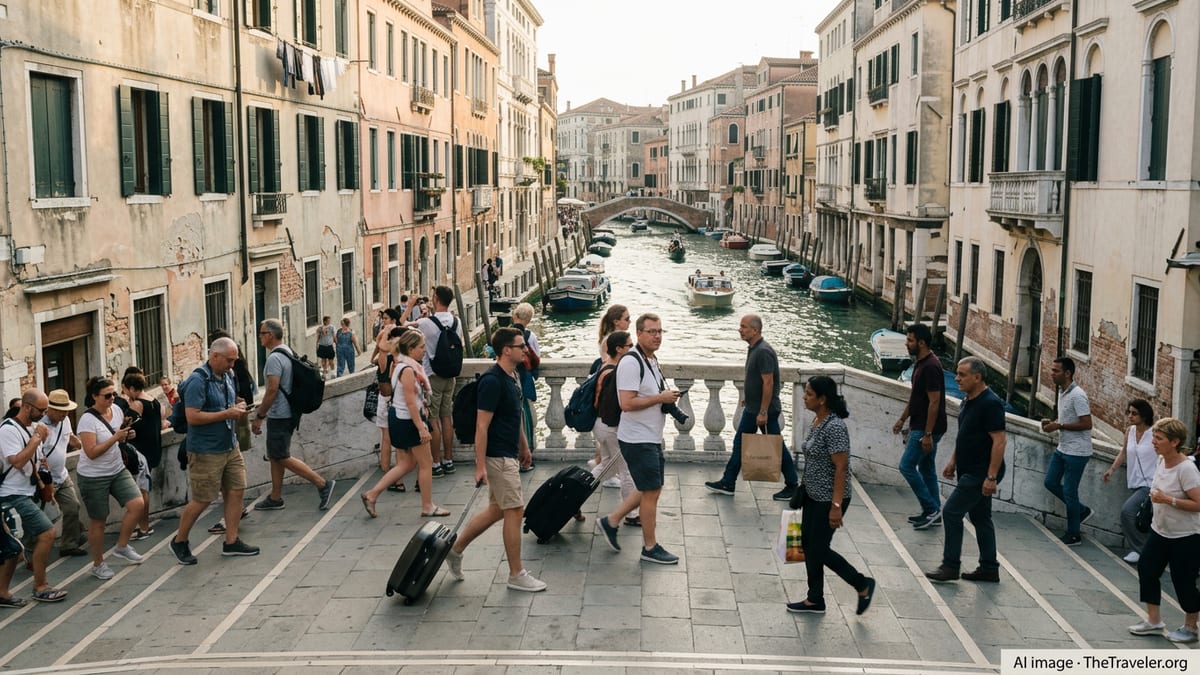
The Mediterranean remains one of the world’s most visited regions, and several recent summers have illustrated how vulnerable that tourism engine is to extreme heat and fire. Published coverage of the 2024 and 2025 seasons documented multiple heatwaves in Greece, Italy and Spain that pushed temperatures well above seasonal norms, forced the temporary closure of archaeological sites and hiking trails, and contributed to fatal incidents among visitors caught out by sudden spikes in heat.
In 2025 and 2026, wildfires across Spain, France, Greece and parts of Italy led to large-scale evacuations from hotels, campsites and coastal resorts. Media reports described thousands of tourists being moved from popular Atlantic and Mediterranean holiday areas as flames advanced through parched forests and dune systems. Financial press analysis estimated that wildfire and heat-related disruptions in the five worst-affected eurozone countries had already generated several billion euros in direct economic costs before the 2026 fire season was even over, with tourism losses still being tallied.
Policy and industry studies warn that the tourism impacts extend beyond immediate evacuations and cancellations. Repeated summers of extreme conditions can shift traveler perceptions of safety and comfort, encouraging visitors to book earlier or later in the year, choose cooler northern destinations, or opt for shorter stays. The Organisation for Economic Co-operation and Development has highlighted climate risk as a mounting concern for coastal tourism economies, noting that a combination of heat stress, water shortages, wildfire smoke and infrastructure damage could steadily erode competitiveness if adaptation measures lag.
Tourism boards and local governments are beginning to respond with new heat protocols, early warning systems and marketing campaigns that emphasize shoulder seasons or alternative inland attractions. However, adaptation comes with costs, including investment in cooling, water management, shaded public spaces and evacuation planning for destinations that were not designed for recurrent climate emergencies.
Insurance, Infrastructure and the Rising Cost of Risk
Insurance and reinsurance markets are emerging as another channel through which Europe’s climate crisis is transmitting to the broader economy. Sector reports published in late 2025 and early 2026 noted that the growing frequency and severity of wildfires, floods and windstorms is pushing up claims and prompting a reassessment of underwriting in high-risk coastal and wildland-urban interface zones.
Wildfires in Mediterranean countries in 2025, followed by early season blazes in 2026, have been cited by risk analysts as evidence that Europe is entering a new era of longer and more intense fire seasons. While aggregate insured losses remain below those seen in some North American and Australian events, the upward trend in both insured and uninsured damages has led to warnings that premiums could rise sharply or coverage could be restricted in certain regions if no additional mitigation steps are taken.
Infrastructure is also under mounting stress. Heat has damaged road surfaces and rail tracks during recent summers, while drought has undermined bridge foundations and riverbank defenses in some locations. At the same time, winter and spring storms, such as the powerful systems that struck parts of southern and eastern Europe in late 2025 and early 2026, have exposed vulnerabilities in power grids and urban drainage, underscoring how multiple climate hazards now overlap across the calendar year.
Economic research institutes caution that these physical risks are increasingly intertwined with financial and sovereign risk. Higher insurance costs, greater public spending on disaster recovery and adaptation, and the potential for localized economic slumps in heavily affected regions could all influence credit ratings and investment decisions, particularly for countries where tourism and climate-sensitive industries represent a large share of national income.
Policy Response and the Race to Adapt
The European Union has placed adaptation to climate impacts alongside emissions reduction in recent policy frameworks, but recent summers are testing how quickly these strategies can translate into practical resilience on the ground. Publicly available EU communications highlight plans to strengthen civil protection mechanisms, expand the shared firefighting fleet and direct more funding to climate-proofing infrastructure, water systems and urban design.
National and regional governments across the continent are also updating heat-health plans, revising building codes and advancing nature-based solutions such as restoring wetlands, reforesting degraded land and redesigning cities to include more shade and cooling green spaces. Analysts note that successful adaptation will require coordinated investment over decades, with a focus on shielding vulnerable populations, safeguarding critical infrastructure and maintaining the viability of tourism, agriculture and industry.
At the same time, calls are growing from academic and policy circles for faster cuts in greenhouse gas emissions to limit the long-term scale of the problem. Research on European climate trends suggests that even if global temperature increases are held to internationally agreed targets, the continent will continue to experience more frequent and intense heatwaves compared with the late 20th century, making adaptation essential but not sufficient.
For now, the economic shockwaves from Europe’s climate crisis are most visible in the charred forests of Mediterranean hillsides, the parched riverbeds of industrial corridors and the shuttered hotel pools of once-reliable summer getaways. The challenge for policymakers, businesses and communities is turning this accumulating damage into a catalyst for the deep structural changes needed to keep Europe livable and economically resilient in a rapidly warming world.