


More news on this day
Rising gently from the Adriatic northwest of Dubrovnik, the island of Šipan is attracting renewed attention as the Elaphiti archipelago’s most fertile historic retreat, where dense olive groves, Renaissance villas and slow-paced village life offer a layered look at Croatia’s coastal heritage.
Get the latest news straight to your inbox!
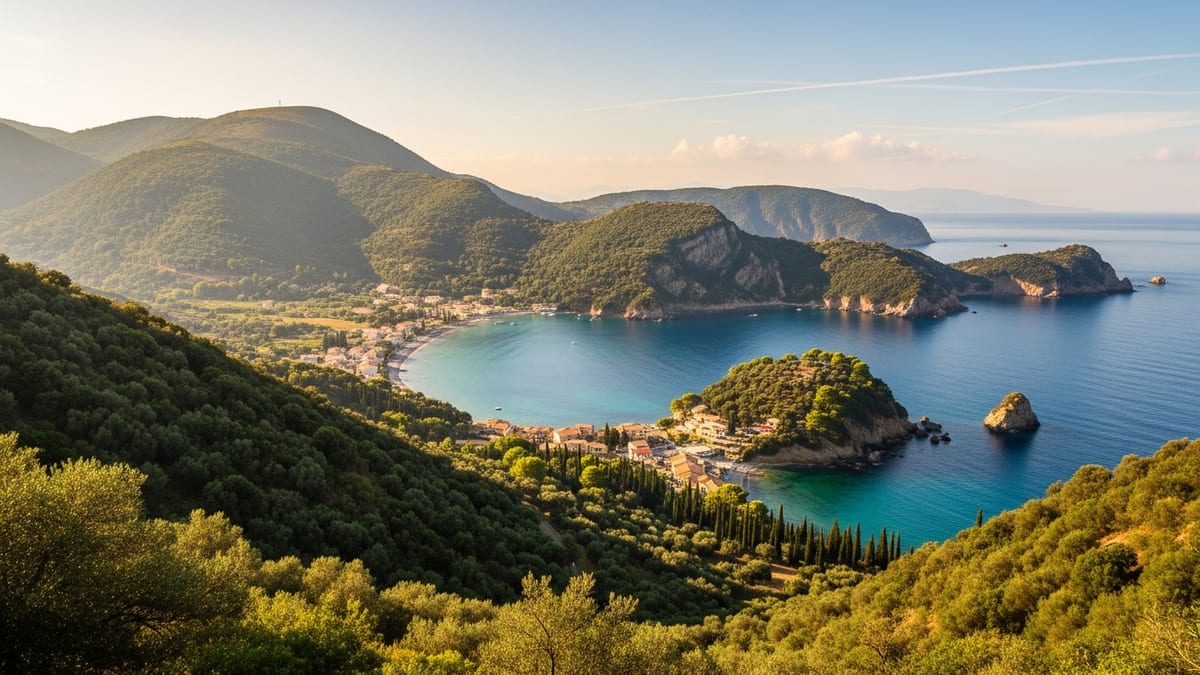
Šipan and the Elaphiti Archipelago at a Glance
Šipan sits as the largest of the Elaphiti Islands, the small chain that arcs northwest of Dubrovnik and has long served as a natural extension of the city’s maritime world. Publicly available information describes the archipelago as a low-impact, mostly car-free destination, with three inhabited islands and a scattering of uninhabited islets known for pine forests, rocky coves and a distinctly Mediterranean climate.
Within this cluster, Šipan’s agricultural profile makes it stand out. Travel and yachting guides published in the past year highlight the island’s patchwork of vineyards and orchards, noting that its broad central valley and gentle slopes have historically given it a more productive landscape than its neighbors Lopud and Koločep. Reports frequently describe Šipan as the most fertile island in the Elaphiti group, a reputation that continues to shape how visitors experience it today.
The island’s two main settlements, Suđurađ in the east and Šipanska Luka in the west, are linked by a single road that runs through this cultivated interior. Ferries from Dubrovnik call at both harbors, making day trips straightforward while still keeping overall visitor numbers relatively modest compared with Croatia’s larger Adriatic islands.
The Adriatic’s Densest Olive Landscape
Šipan’s claim to olive-growing fame is grounded in both history and contemporary records. Tourism and ferry-route guides point to the island’s recognition for having one of the highest densities of olive trees in the world in relation to land area and population, a distinction that places a spotlight on how central olives are to local identity.
Across the island’s interior, stone terraces support thousands of trees interspersed with fig, carob and citrus. Unlike the vast, contiguous plantations associated with some mainland groves, Šipan’s olive landscape is a mosaic of small family plots, some still worked in traditional ways. Seasonal reports from regional travel operators indicate that autumn and early winter bring the olive harvest, when many residents shift their focus from tourism to agriculture.
Historical references to Dubrovnik’s maritime republic era note that Šipan supplied oil, wine and other agricultural products to the city’s patrician families. While exact production volumes fluctuate year to year, modern tastings offered in the wider Dubrovnik region increasingly showcase boutique oils from the Elaphiti Islands, with Šipan often highlighted for its long-growing season and mix of indigenous and introduced olive varieties.
Legacy of the Dubrovnik Republic’s Summer Retreat
Šipan’s olive groves are closely intertwined with its role as a rural outpost of the former Republic of Dubrovnik, also known as Ragusa. Heritage overviews compiled by local cultural organizations describe how, from the 15th century onward, wealthy merchants and nobles built fortified summer residences and churches across the island, seeking both security and seclusion away from the walled city.
Remnants of this period are visible in the Renaissance villas scattered between the groves, particularly around Šipanska Luka, where several large stone residences sit just back from the waterfront. Historical summaries indicate that these estates were often surrounded by productive land under cultivation, including olives, grapes and citrus, effectively turning the island into a combination of retreat and working estate.
Churches, chapels and monastic complexes add another layer to the landscape. Published descriptions of the Elaphiti Islands’ religious heritage point to Šipan as especially rich in sacral architecture for its size, with structures ranging from modest chapels on hilltops to more substantial churches close to the shore. Many walking routes across the island trace paths once used by landowners and clergy moving between coastal residences, fields and places of worship.
This blend of agrarian and aristocratic history is central to Šipan’s present-day appeal. Visitors encounter not only beaches and coves but also an open-air record of how the Dubrovnik Republic managed its hinterland, combining fortified architecture with intensive use of limited arable land.
Planning a Visit to Šipan’s Olive Groves
For travelers based in Dubrovnik, Šipan is typically accessed by public ferry services that also connect the other inhabited Elaphiti Islands. Current timetables show multiple daily crossings in the main season, with journey times generally under an hour depending on the route and intermediate stops. Private boat tours and small-group excursions have also expanded in recent years, often pairing Šipan with swimming stops around Lopud or Koločep.
Once on the island, the scale is compact enough that many visitors explore on foot or by bicycle. The road between Suđurađ and Šipanska Luka threads through olive groves and stone hamlets, with side paths leading up to viewpoints above the cultivated valley. Travel reports suggest that spring and autumn are particularly attractive periods for walking, when temperatures are milder and light on the terraces is softer.
Several family-run guesthouses and small hotels operate in Šipanska Luka and Suđurađ, with capacity still far below more developed Adriatic destinations. Publicly available booking information indicates that accommodation can be limited in peak summer, encouraging advance planning for those who want to stay overnight among the groves rather than visit on a day trip.
Guided experiences focused on food and agriculture are gradually becoming more prominent. Regional tour operators describe tastings that pair local olive oils with seafood, vegetables and wines from nearby vineyards, offering context about cultivation techniques, varieties and seasonal rhythms that shape island life.
Practical Tips and What Travelers Should Know
Recent visitor accounts emphasize the importance of arriving with realistic expectations about services on Šipan. Outside the high summer months, ferry frequency may be reduced and some restaurants or cafes operate on shorter schedules, reflecting the island’s small permanent population and ongoing reliance on subsistence and small-scale agriculture.
Weather patterns in the southern Adriatic typically bring hot, dry summers and mild, wetter winters, conditions favorable to olives but potentially challenging for unprepared travelers. Basic guidance from regional tourism sources recommends sun protection, sturdy footwear for walking on stone paths and terraces, and carrying water when exploring beyond the main settlements.
Respect for the working landscape is another recurring theme in travel guidance. Many of Šipan’s most photogenic groves are active private plots, and publicly available visitor information encourages staying on marked paths, avoiding damage to dry-stone walls and seeking permission before entering fields or photographing close to homes.
As interest in low-impact and heritage-focused travel grows, Šipan’s combination of dense olive groves, layered Dubrovnik Republic history and relatively low visitor pressure is likely to keep it in the spotlight. For those willing to move at the island’s slower pace, the Elaphiti archipelago’s most fertile retreat offers an accessible window into a side of the Adriatic shaped as much by centuries of cultivation as by the sea itself.