


More news on this day
Soaring temperatures in Las Vegas are increasingly forcing airlines to cut weight, delay departures or seek volunteers to give up seats at Harry Reid International Airport, as extreme heat combines with the desert hub’s elevation to push aircraft performance to its limits.
Get the latest news straight to your inbox!
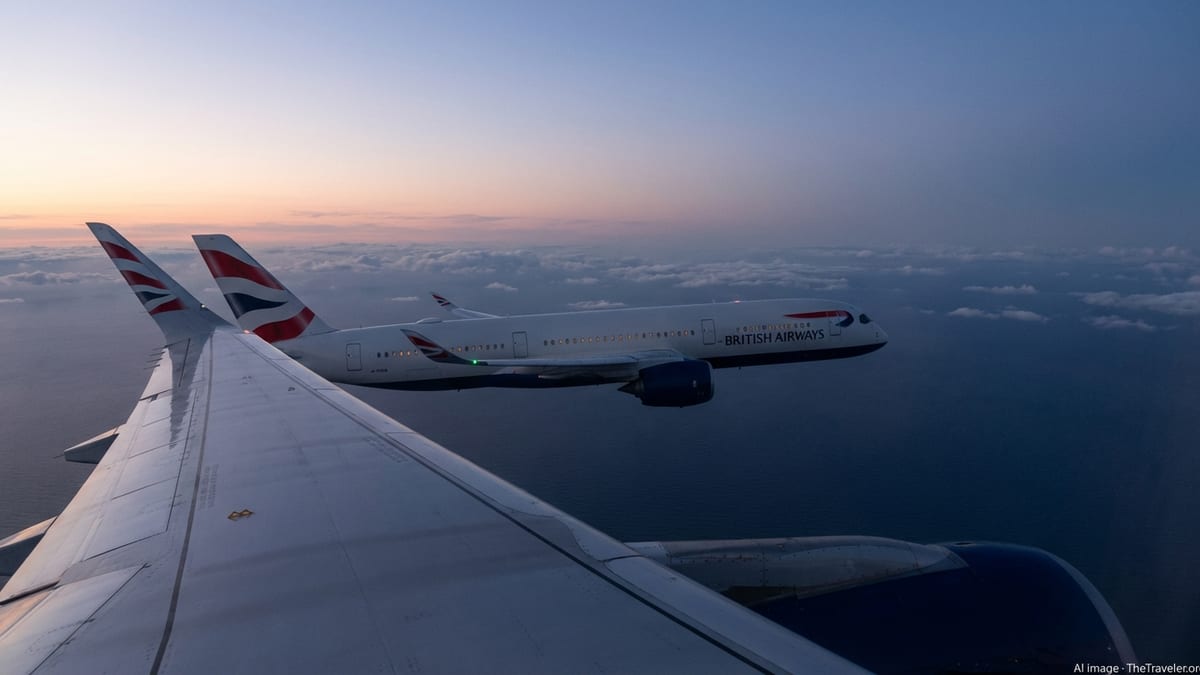
Heatwave pushes aircraft to performance limits
Recent heat advisories for the Las Vegas Valley have coincided with reports of afternoon flights from Harry Reid International Airport facing weight restrictions, with some departures delayed or requiring passengers to deplane so aircraft can safely take off in the thinner, hotter air. Publicly available data from the National Weather Service shows Las Vegas regularly climbing well above 110 degrees Fahrenheit in July, conditions that sharply reduce air density around the airport.
Aviation guidance notes that when temperatures climb, the “hot and high” combination of heat and airport elevation reduces both lift from the wings and thrust from the engines. Harry Reid International sits at roughly 2,100 feet above sea level, meaning that on the hottest afternoons its so-called density altitude can resemble that of a much higher mountain airport. Under these conditions, takeoff distances lengthen and regulatory performance margins narrow, leaving airlines with few options other than shedding weight.
According to recent coverage by industry and consumer travel outlets, this has translated into packed aircraft departing Las Vegas with fewer passengers, lighter baggage loads or reduced fuel, particularly on longer routes where safety margins are tighter. Some travelers have reported being offered substantial compensation to volunteer for later flights on especially hot days when afternoon temperatures peak and runway performance is most constrained.
While summer heat has long been a feature of flying from Las Vegas, climate records for the region indicate that extreme temperatures are becoming more frequent and persistent. That trend increases the number of days and hours when aircraft performance charts leave little room to operate at full capacity, turning what was once an occasional operational challenge into a recurring constraint during peak summer travel.
How extreme heat forces weight reductions
Aviation safety materials explain that aircraft are certified to meet strict climb and takeoff performance standards at defined combinations of temperature, altitude and weight. When any of those factors pushes beyond the certified envelope, operators must adjust by reducing payload, altering departure times or, in some cases, canceling flights. At Harry Reid Airport, high summer temperatures effectively raise the operational altitude of the field, requiring crews to plan for what amounts to a takeoff from a much higher airport.
Federal aviation resources highlight that in extreme heat, each degree of additional temperature can have a measurable impact on allowable takeoff weight. For narrowbody jets operating from Las Vegas on long routes, that can mean leaving seats empty, limiting cargo or taking less fuel and planning an additional fuel stop. For regional jets, which often have more modest performance margins, midafternoon departures during heatwaves can become particularly challenging when aircraft are full and baggage loads are heavy.
Flight crews rely on detailed performance calculations that factor in temperature, runway length, wind, aircraft configuration and obstacle clearance. When these calculations show that a fully loaded aircraft cannot meet required climb gradients in the existing conditions, load planners and gate agents must bring weights down. In practice, that often looks like asking passengers to check carry-on items, offloading bags, or seeking volunteers to take a later flight in exchange for vouchers.
Industry commentary suggests that these weight restrictions are most common during the hottest part of the day, typically mid to late afternoon, and can ease somewhat in the evening as the desert cools. As a result, Las Vegas travelers are increasingly advised to consider morning or late-night departures if they want to reduce the risk of heat-related disruptions during the peak of summer.
Rising demand collides with weather-driven constraints
Passenger statistics released by the airport show that Harry Reid International continues to serve tens of millions of travelers annually, with strong demand from both domestic and international markets. That growth means more fully booked flights and tighter scheduling throughout the day, including during the hottest afternoon hours when heat-related performance limits are most pronounced.
Analysts note that the combination of high demand and extreme weather intensifies operational pressures on airlines. When a heavily booked departure out of Las Vegas faces weight restrictions, rebooking displaced passengers can ripple through the network, leading to missed connections and additional delays on other routes. For a desert hub that serves as a major gateway for leisure travel and conventions, these heat-driven disruptions add another layer of complexity to already busy peak seasons.
Published coverage on climate impacts to aviation further indicates that Las Vegas is part of a broader pattern of “hot and high” airports worldwide confronting similar challenges. As temperatures trend upward, airports at moderate elevations are seeing more frequent periods in which aircraft cannot depart at full capacity, especially on shorter runways or when winds are unfavorable. Harry Reid’s location in one of the fastest-warming regions of the United States places it squarely in this emerging operational frontier.
Local travel advisories from the airport emphasize traditional summer guidance such as staying hydrated, arriving early and checking flight status frequently. Behind the scenes, however, airlines and airport operators are increasingly focused on strategic scheduling, ground handling efficiency and contingency planning to absorb the growing operational strain imposed by extreme heat on a high-volume airfield.
What passengers can expect during extreme heat events
For travelers, the most visible effect of heat-driven weight reductions in Las Vegas is often the last-minute request for volunteers to change flights, or sudden announcements that a departure will leave with fewer passengers or reduced baggage. Consumer travel reporting in late July has highlighted instances in which volunteers at Harry Reid Airport were offered sizable travel credits to deplane when afternoon temperatures and fully booked cabins combined to push aircraft beyond allowable takeoff weights.
Experts in passenger rights point out that compensation rules vary by jurisdiction and by the cause of a disruption. While extreme weather can be classified as outside the airline’s control, operational decisions around overbooking and weight management may still trigger compensation or rebooking obligations in some regions. Travelers are encouraged to review the conditions of carriage for their airline and be prepared to ask gate staff what options are available if they are bumped due to performance-related weight limits.
On board, passengers may also notice changes in how crew manage the cabin during intense heat, from requests to close window shades at the gate to minimize cooling loads, to keeping boarding doors open longer to allow cooler outside air to circulate when possible. Ground operations can be slower as ramp workers contend with dangerous temperatures on exposed tarmac surfaces, leading to longer turnaround times and additional delays cascading through the schedule.
Travel industry guidance suggests that those flying through Las Vegas in midsummer can reduce their odds of disruption by choosing earlier departures, traveling with lighter baggage and allowing extra time in their itineraries for potential delays or missed connections. While such steps cannot eliminate the risks posed by extreme heat, they can offer individual travelers more flexibility when aircraft performance constraints intersect with already crowded flights.
Long-term questions for infrastructure and planning
The growing tension between extreme heat and air travel at Harry Reid Airport is prompting broader questions about infrastructure planning in the Las Vegas region. Climate assessments for the Southwest point to a future with more frequent and intense heatwaves, suggesting that the performance challenges now seen on the hottest days could become more common in coming decades.
Industry observers note that potential responses may range from operational measures, such as shifting more departures to cooler hours, to physical investments like pavement upgrades, expanded shaded areas for ground crews and, over the long term, possible runway or taxiway enhancements to support heavier takeoff weights. Any such changes would need to balance cost, environmental impacts and the economic significance of reliable air access for Las Vegas.
Aircraft manufacturers are also working on next-generation designs with improved performance and greater fuel efficiency, which could help offset some of the penalties imposed by higher temperatures. Yet aviation analysts caution that even more capable aircraft will still be bound by the fundamental physics of lift and thrust in hot, thin air, particularly at airports like Las Vegas where elevation already narrows performance margins.
For now, the practical reality for passengers and airlines alike is that extreme heat is joining thunderstorms, winter storms and air traffic congestion as a primary driver of flight disruption. At Harry Reid International Airport, where triple-digit temperatures align with peak summer demand, that shift is making weight reductions and schedule adjustments an increasingly familiar part of flying in and out of the desert.