


More news on this day
What used to be a reliably cheaper “shoulder season” is shifting, as published airfare data for 2024 indicates many U.S. travelers will pay more to fly in early fall than in peak summer, redrawing the traditional travel calendar just as Americans plan autumn getaways and pre-holiday trips.
Get the latest news straight to your inbox!
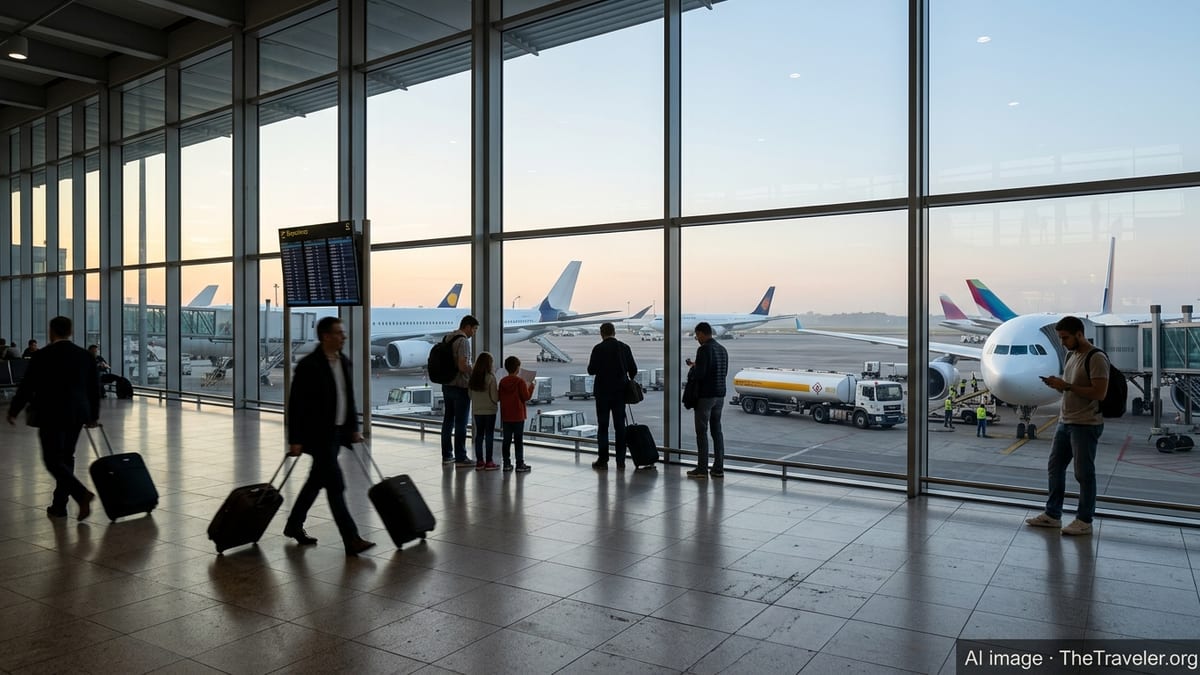
Shoulder Season No Longer Automatically Means Savings
For years, September and October were promoted as bargain months to fly, when demand dipped after school resumed and before the holiday surge. Recent pricing patterns suggest that assumption is no longer guaranteed. While national averages still show domestic fares easing from midsummer highs, reports for 2024 indicate that in many markets the gap has narrowed and, on some routes, early fall tickets are now matching or overtaking summer prices.
Hopper’s 2024 Travel Outlook projected that domestic roundtrip fares would generally soften into the fall shoulder period as capacity remained high and demand normalized. Yet the same outlook noted that the cheapest window to book often arrives months earlier, and that autumn prices can rebound quickly as planes fill and airlines adjust schedules. In practice, that has meant the headline “fall is cheaper” story is no longer universal for travelers who wait to buy.
Other industry coverage shows that while some international markets still offer clear shoulder-season discounts, domestic air pricing is behaving differently. Analysis of recent booking patterns indicates that airlines are targeting early fall as a revenue opportunity, especially on routes popular with leisure and “bleisure” travelers who are less tied to school holidays.
Capacity Cuts and Demand Shifts Push Up Autumn Tickets
Several structural forces are helping lift fall fares relative to summer. Hopper’s Q3 2024 Consumer Travel Index highlights that major U.S. airlines trimmed capacity for the second half of the year after an exceptionally busy summer. With fewer seats scheduled into September and October than initially planned, carriers have more leverage to hold prices higher, especially on nonstop routes between large hubs and popular leisure destinations.
At the same time, domestic demand is proving more resilient than traditional models of shoulder season predict. Travel industry surveys cited by tourism agencies and booking platforms suggest that a significant share of Americans now prefer off-peak trips, including workers with flexible or hybrid schedules who can travel in September or October without using as much vacation time. That shift pulls demand into months that historically saw a lull, which helps explain why fare drops are smaller and more uneven than in the past.
Fuel and operating costs are another factor. Publicly available commentary on airline finances notes that jet fuel remains a substantial slice of total costs, and carriers are under pressure to maintain yields after several years of volatile pricing and strong wage growth. When demand remains solid after Labor Day, there is less incentive to discount, so prices can stay elevated longer than travelers expect from prior seasons.
Leisure Travel, Events and Weddings Add Pressure to Prices
Beyond broad economic trends, fall has quietly become a prime season for major life events and destination gatherings that fill planes. Travel forums and consumer anecdotes increasingly point to higher fares around September and October weddings, conferences and sports weekends in secondary cities. Even when load factors appear moderate, airlines are often managing inventory through revenue algorithms that prioritize higher-paying last-minute and group demand.
This changing mix of travelers matters for pricing. Instead of a steep drop-off in leisure traffic after August, carriers are seeing a more continuous stream of discretionary trips. That includes foliage tourism in New England, shoulder-season beach vacations in the Southeast and Southwest, and city breaks timed to cooler weather. With more people targeting these windows, especially from major metropolitan areas, fall routes that once felt like bargains now mirror the pricing volatility of mid-summer.
Analysts also point out that many large employers have concentrated conferences and off-sites in the fall, after the busy vacation season but before year-end holidays. Those events often involve semi-flexible but still time-bound travel, which can support higher fares in early and mid-October. The result is that, for certain dates and corridors, a mid-September ticket can be as costly as a July departure, blurring the traditional seasonal hierarchy.
Holiday Booking Windows Collide With Early Fall Fare Spikes
Another reason fall no longer guarantees lower airfares is the way it overlaps with holiday booking patterns. Hopper’s 2024 Holiday Travel Outlook shows that prices for Thanksgiving and Christmas itineraries typically fall into early October before rising sharply as departure dates near. Travelers who start searching for November and December trips in September often find themselves competing for seats with those planning last-minute autumn vacations, sustaining higher prices across both sets of travel.
Google Flights trend reports similarly advise that the best time to secure Thanksgiving and December holiday fares is often several weeks before the holidays themselves, meaning many buyers are transacting in September. That demand can keep pressure on airfares even for non-holiday dates, particularly on routes where aircraft and crews are already tightly scheduled for the upcoming peak season.
Government consumer price data adds context: U.S. Bureau of Labor Statistics figures show airline fare inflation has moderated from the steep spikes seen earlier in the decade, but prices remain above many pre-pandemic benchmarks. In practice, that means a “discounted” fall ticket may still feel expensive next to what travelers paid several years ago, even when year-over-year comparisons suggest modest relief.
What Travelers Can Do as the Calendar Resets
The evolving pattern in airfare is forcing travelers to rethink assumptions about the cheapest time to fly. Hopper’s booking research underscores the value of watching prices earlier and longer, noting that those who begin tracking fares months in advance typically secure lower rates than those who wait until a few weeks before departure. For fall travel in particular, flexible dates and alternate airports are increasingly important tools for finding prices that truly beat summer levels.
Travel planning guides now recommend treating September and October less as a guaranteed low season and more as a series of micro-peaks, linked to events, school calendars in different regions and corporate travel cycles. Midweek departures, very early or very late flights, and itineraries that avoid the busiest hub-to-hub corridors are more likely to undercut summer pricing than popular weekend nonstop options.
For budget-conscious travelers, the broader message is that the U.S. travel calendar is being rewritten by capacity decisions, changing work patterns and strong demand that extends beyond the traditional summer window. Autumn can still be a smart time to fly, but relying on yesterday’s shoulder-season playbook is increasingly risky. Those who adapt to the new pricing rhythms, and who secure tickets before fall fares climb toward summer levels, will be best positioned to capture whatever discounts remain.
Hopper Q3 2024 Consumer Travel Index
Hopper 2024 Travel Outlook
Hopper 2024 Holiday Travel Outlook
U.S. Bureau of Labor Statistics Thanksgiving travel pricing
The Points Guy fall shoulder season analysis