


More news on this day
A construction mishap that severed a critical fiber optic cable in New Jersey on Monday, September 21, 2026, forced the Federal Aviation Administration to halt flights into several of the busiest airports in the U.S. Northeast, disrupting thousands of travel plans and rippling through airline schedules nationwide.
Get the latest news straight to your inbox!
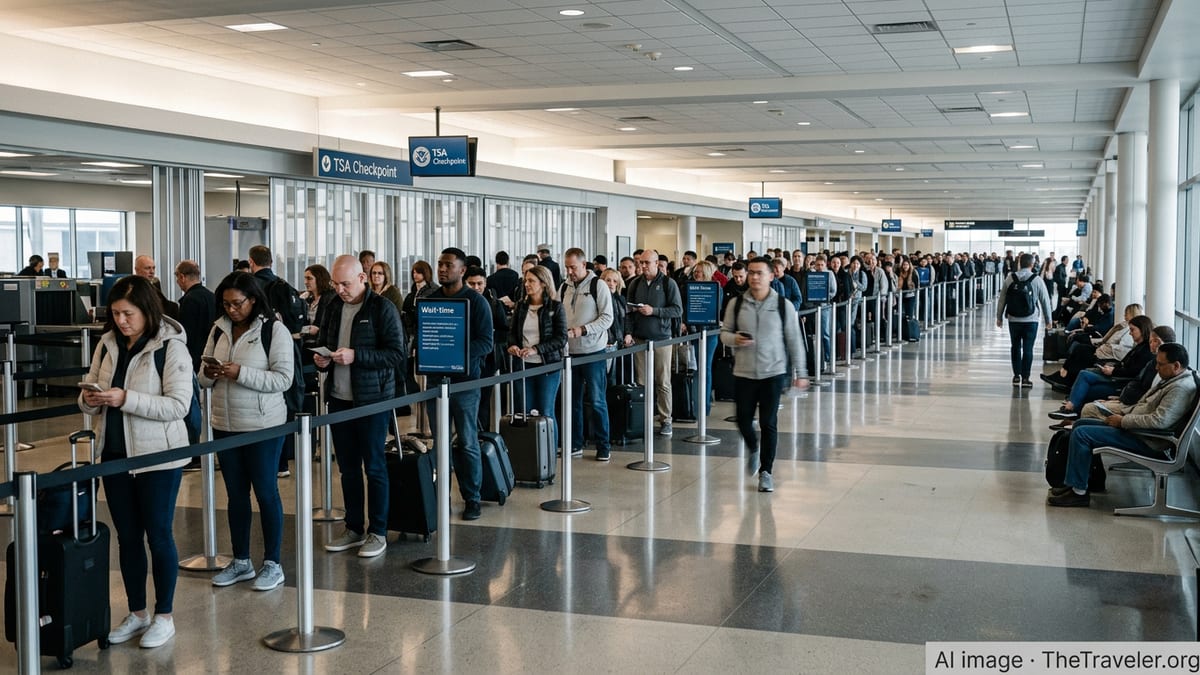
How a Single Cut Cable Brought Flights to a Standstill
According to published coverage and federal airspace status data, the disruption began when a primary communications circuit failed at an air traffic control facility responsible for guiding arrivals and departures in the Philadelphia and New York City regions. When systems attempted to switch to a backup route, controllers discovered that a separate fiber line in New Jersey had already been severed at a construction site along an Amtrak corridor.
Reports indicate that the accidental cut affected a Verizon fiber optic cable segment running near rail infrastructure between New Brunswick and Newark, New Jersey. Aviation and telecom statements describe the damage as extensive, involving hundreds of feet of high-capacity fiber that carried radar and other critical data used by controllers managing dense Northeast traffic.
This rare combination of a failed primary circuit and an unavailable backup transformed what might have been a contained technical hiccup into a multi-hour outage. With essential data feeds disrupted, the FAA instituted ground stops and flow restrictions to keep additional aircraft from entering the already strained airspace, effectively freezing much of the region’s inbound traffic.
Industry analysis characterizes the event as a dual-point failure that overcame the system’s built-in redundancy. The episode is drawing renewed attention to how concentrated some of the nation’s aviation communications infrastructure remains, particularly at high-density hubs where a single node can affect millions of passengers in a single day.
Airports and Travelers Hit Hard Across the Northeast
Publicly available flight-tracking data show that ground stops and severe delays extended across multiple major Northeast airports, including Newark Liberty, John F. Kennedy, LaGuardia, Philadelphia, and Boston Logan, along with smaller business and reliever airports such as Teterboro in New Jersey. At several points during the day, arrivals were temporarily paused into all three major New York area airports as well as Philadelphia and Boston.
At Newark Liberty, one of United Airlines’ largest hubs, commercial flight operations were brought close to a standstill for much of the local day. Data compiled by flight-tracking services indicate that no commercial arrivals landed at Newark for several hours after the outage began, before limited operations gradually resumed once communications channels were stabilized.
Philadelphia International Airport also experienced significant disruption, with local media reports citing roughly 400 delays and around 200 cancellations by late afternoon. Passengers there and at other affected airports reported missed connections, long lines at rebooking counters, and difficulty finding same-day alternatives as aircraft and crews ended up scattered across the network.
The timing amplified the impact for some travelers. The outage coincided with heavy traffic into New York City connected to the United Nations General Assembly and late-summer business travel. With aircraft out of position, delays and cancellations continued into the evening and into the following day in some markets, even after the immediate equipment issues were resolved.
What the Ground Stop Means for Current and Upcoming Trips
By Monday night, transportation officials stated publicly that telecom lines had been repaired and that airports across the U.S. Northeast were resuming normal operations. Ground stops were lifted at Newark, JFK, LaGuardia, Philadelphia, Teterboro, and other affected facilities, and subsequent status updates showed no new equipment-related nationwide restrictions in place.
Even after a formal ground stop ends, however, the effects can linger. Airlines must reposition aircraft and flight crews, and many aircraft that were supposed to be in the Northeast on Monday were still elsewhere in the network. As a result, travelers on Tuesday and potentially later in the week have continued to see rolling delays on select routes as schedules are brought back into balance.
For passengers with upcoming itineraries through the Northeast, publicly available information from airline and airport operations suggests several practical steps. Checking flight status frequently on airline apps or text alerts, monitoring airport departure boards before leaving for the airport, and allowing extra connection time on tight itineraries can help reduce the risk of missed flights when the system is recovering from a large-scale disruption.
In many cases, airlines have been waiving same-day change fees or allowing rebooking within a defined window for customers whose flights were directly affected by the outage. Travelers can verify any current waivers by checking their airline’s travel advisory pages or contacting customer service channels, as policies may vary by carrier and route.
Telecom Vulnerabilities and Aviation Resilience Under Scrutiny
The incident is already prompting scrutiny of how air traffic control systems rely on commercial telecom infrastructure. Congressional testimony and prior FAA planning documents have highlighted both the benefits and risks of transitioning legacy copper connections to higher-bandwidth fiber networks for radar and communications data between key facilities in the Northeast corridor.
In this case, reports indicate that the damaged cable was part of the network linking radar and communications systems serving the busy New York and Philadelphia approach environment. The failure showed that while additional capacity and speed can improve efficiency, physical vulnerability along shared rail or road rights-of-way can still pose a single point of failure when combined with other issues such as a blown circuit.
Industry observers note that the event could accelerate investments in further redundancy, including diverse routing that separates primary and backup fiber paths more completely, additional microwave or satellite-based backup links, and more robust real-time monitoring so that a severed backup line is detected well before it is needed.
Policy discussions that were already underway about modernizing the national air traffic system and hardening it against cyber and physical threats are likely to incorporate lessons from this outage. Lawmakers have previously approved billions of dollars for upgrades to equipment and staffing, and this incident may shift some of that focus toward critical telecom infrastructure and protections around construction activity near high-value cables.
Tips for Navigating Future Disruptions in the Northeast
For travelers who frequently pass through the New York, New Jersey, Philadelphia, and Boston airports, the outage offers a stark example of how quickly regional issues can cascade across the country. A single fiber cut in central New Jersey created headaches for passengers as far away as the West Coast and Hawaii when affected flights and crews could not get into position on schedule.
Travel planning resources suggest that during periods of heightened risk, such as major events or peak travel seasons, building additional resilience into itineraries can pay off. That can include scheduling earlier flights in the day when possible, selecting slightly longer connections through congested hubs, and avoiding the last flight of the night on critical segments where rebooking options are limited.
Tools that draw on FAA and airline data, including national airspace status dashboards and major flight-tracking platforms, can also help travelers understand the scope of a disruption. These services show when ground stops or ground delay programs have been issued for specific airports, along with the stated cause, whether weather, volume management, or equipment issues such as the recent fiber cut.
While Monday’s ground stop was unusual in its scale and cause, it underscores a broader reality of modern air travel in the Northeast: even highly redundant systems remain vulnerable to concentrated infrastructure failures. For travelers, staying informed, building flexibility into plans, and monitoring conditions in real time remain the best defenses when unexpected technical problems ripple through some of the world’s busiest airspace.