


More news on this day
The United States has tightened security guidance for travel across the Middle East in recent months, with updated advisories, a standing worldwide caution, and new consular measures that urge U.S. citizens to reconsider nonessential trips and prepare for rapidly changing conditions in the region.
Get the latest news straight to your inbox!
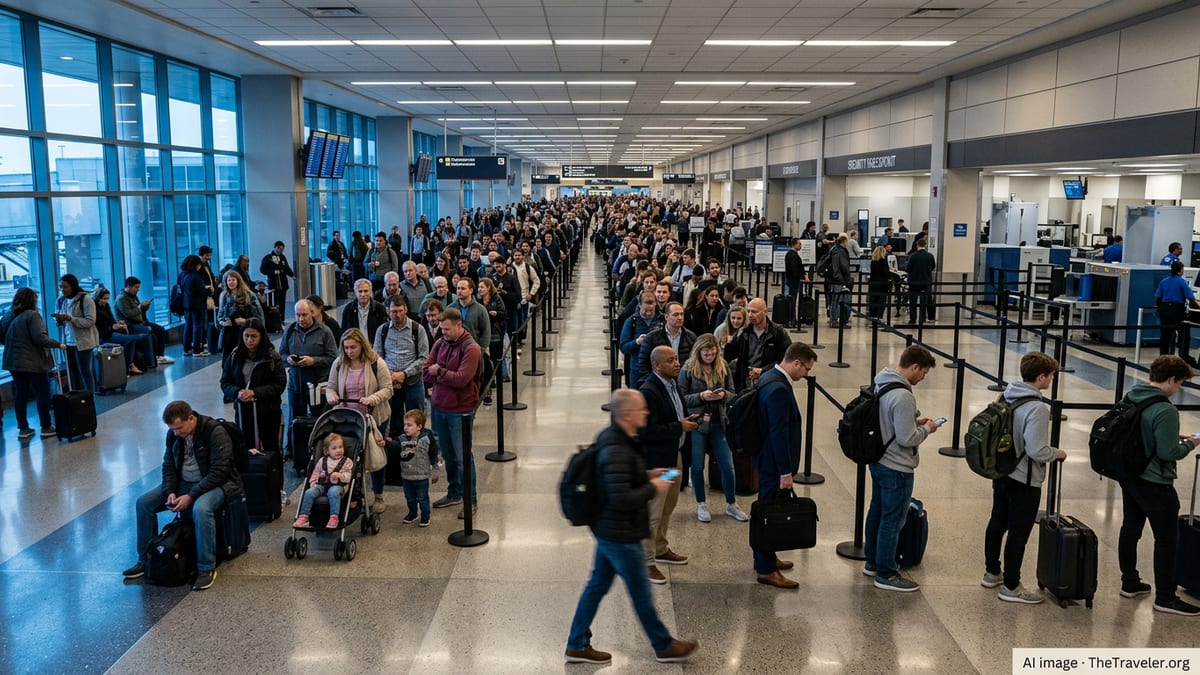
Worldwide Caution Extended With Focus on the Middle East
Publicly available information from the U.S. Department of State shows that a standing Worldwide Caution, most recently updated in 2026, specifically highlights elevated security concerns for Americans in the Middle East. The alert cites a complex and volatile environment, including the risk of terrorism, missile and drone attacks, and unrest linked to regional tensions involving Iran and armed groups aligned with it.
The Worldwide Caution advises U.S. citizens to exercise increased vigilance globally, but it places particular emphasis on those living in or traveling through Bahrain, Egypt, Iran, Iraq, Israel, the West Bank, Gaza, Jordan, Kuwait, Lebanon, Oman, Qatar, Saudi Arabia, Syria, the United Arab Emirates and Yemen. Guidance indicates that Americans in these locations should be ready for sudden flight cancellations, temporary airspace closures and other unforeseen disruptions to commercial travel.
Government and academic security briefings summarizing the alert note that potential targets may include locations associated with the United States, such as companies, schools or cultural centers abroad. Travelers are encouraged by official guidance to monitor destination-specific advisories frequently, as country pages and security alerts have been updated repeatedly throughout 2026 in response to changing risks.
The Worldwide Caution also points travelers to round-the-clock consular contact numbers in Washington for emergencies, acknowledging that local U.S. embassies may experience staffing constraints or temporary closures in high-risk areas.
Heightened Country Advisories and “Do Not Travel” Zones
Alongside the global alert, individual travel advisories for several Middle Eastern destinations have been revised this year, often raising the advisory level or expanding areas where U.S. citizens are urged not to go. The State Department’s main advisory index lists Israel at Level 3, described as “reconsider travel,” with Gaza and certain border areas treated separately at the highest risk level due to terrorism and armed conflict.
The dedicated guidance page for Gaza, most recently updated in October 2026, underscores that U.S. government employees are prohibited from entering the territory and that the United States cannot provide routine or emergency consular services there. Travelers are directed to review detailed security reports on Israel, the West Bank and Gaza, including information about red-alert sirens, rocket fire and sudden changes in access at checkpoints and crossings.
Lebanon’s advisory has also been elevated to Level 4, “do not travel,” as of October 2026. The advisory highlights the risk of terrorism, kidnapping and armed clashes, particularly near the Syrian border. Aviation notices referenced in the advisory point to heightened military activity in and around Syrian airspace and recommend that air carriers exercise caution within 200 nautical miles of the Damascus Flight Information Region.
Separate consular information pages group other Middle Eastern states under a broader security umbrella, directing Americans to destination-specific security alerts. In some countries, the guidance notes that official U.S. travel by government employees is subject to strict routing and approval requirements, reflecting broader concern about the safety of overland travel, border regions and major transport hubs.
Embassy Closures, Departure Options and Flight Disruptions
The tightening of U.S. guidance has not been limited to written advisories. Information released by members of Congress and immigration and mobility consultancies in early 2026 describes periods when multiple American embassies and consulates across the Middle East either closed temporarily or curtailed public services because of heightened security conditions.
Reports in March 2026 indicate that embassy operations in Saudi Arabia, Kuwait and Lebanon were among those affected, with routine visa services and many in-person citizen appointments canceled on short notice. In parallel, a private-sector briefing on the regional crisis documented widespread schedule changes and suspensions by international airlines, particularly on routes touching Israel, Lebanon, Syria, Iraq and Gulf gateways during spikes in tension.
In response, the State Department introduced online crisis intake forms for U.S. citizens in locations such as the United Arab Emirates, Qatar, Saudi Arabia and Israel who were seeking assistance to depart. Public information explains that these forms are used to assess demand for potential U.S. government–facilitated departure options if commercial flights become unavailable, although travelers are urged to rely on regular airlines as long as they are operating.
Travelers are advised that even when airports remain open, airspace restrictions, security incidents or labor constraints can produce abrupt cancellations and diversions. It is therefore recommended that travelers maintain flexible itineraries, avoid tight connections through regional hubs, and remain prepared for extended stays if outbound options are temporarily reduced.
Practical Guidance for U.S. Travelers Planning Middle East Trips
For Americans still planning or undertaking trips to the Middle East, the tightened guidance translates into several concrete steps. The State Department urges U.S. citizens to check the advisory level for each country they intend to visit, rather than assuming uniform conditions across the region. Levels range from Level 1, “exercise normal precautions,” to Level 4, “do not travel,” and some countries include additional warnings for specific regions or cities.
Travelers are also strongly encouraged to enroll in the free Smart Traveler Enrollment Program, widely referred to as STEP. According to public explanations of the program, enrollment allows U.S. embassies and consulates to send security and emergency messages directly via email or text, and provides consular officials with contact details if evacuation or welfare checks become necessary.
Members of Congress and state-level offices that have compiled Middle East travel FAQs emphasize that Americans should carry a valid passport with sufficient remaining validity, verify that their contact details are up to date in STEP, and keep digital copies of documents stored securely online. Some guidance notes that travelers who choose to remain in high-risk areas should plan for contingencies such as temporary shortages, curfews or restrictions on movement.
Several official advisories point travelers to local warning tools as well, including emergency alert applications in Israel that provide real-time notifications of rocket attacks or other threats. In coastal and maritime zones, notices to mariners call for heightened awareness in ports and offshore areas that could be affected by regional military or militia activity.
What Travelers Should Watch in the Months Ahead
Looking ahead, publicly available briefings from consular and security agencies suggest that U.S. guidance for Middle East travel is likely to remain fluid. The Worldwide Caution and country-specific advisories have already been updated multiple times in 2026 as conflict zones shift, ceasefires falter or new threats emerge.
Travelers are advised to pay close attention to the “last updated” date on advisories for Israel, Gaza, Lebanon, Syria, Iraq and neighboring states, as conditions can change within days. Updates may modify the overall advisory level, restrict certain regions within a country, or note new incidents such as cross-border rocket fire, attacks on shipping or disruptions to critical infrastructure.
Industry analyses of the travel and hospitality sector in the region indicate that carriers and hotel groups are adjusting capacity and pricing in line with security developments. Routes may be restored or expanded if tensions ease, while further escalations could lead to renewed suspensions, higher insurance costs and stricter entry screening.
For U.S. citizens, the tightened guidance underscores the importance of building flexibility into travel plans, remaining reachable by phone or email, and monitoring multiple sources of verified information before and during any trip to the Middle East. While many journeys continue to operate without incident, the official advisories make clear that the risk environment has shifted and that Americans should approach regional travel with greater caution than in previous years.