


More news on this day
Passengers flying through London Heathrow at the end of the week faced unexpected disruption after a fire near the airport’s southern runway prompted a temporary runway closure, diversions and mounting delays across one of the world’s busiest aviation hubs.
Get the latest news straight to your inbox!
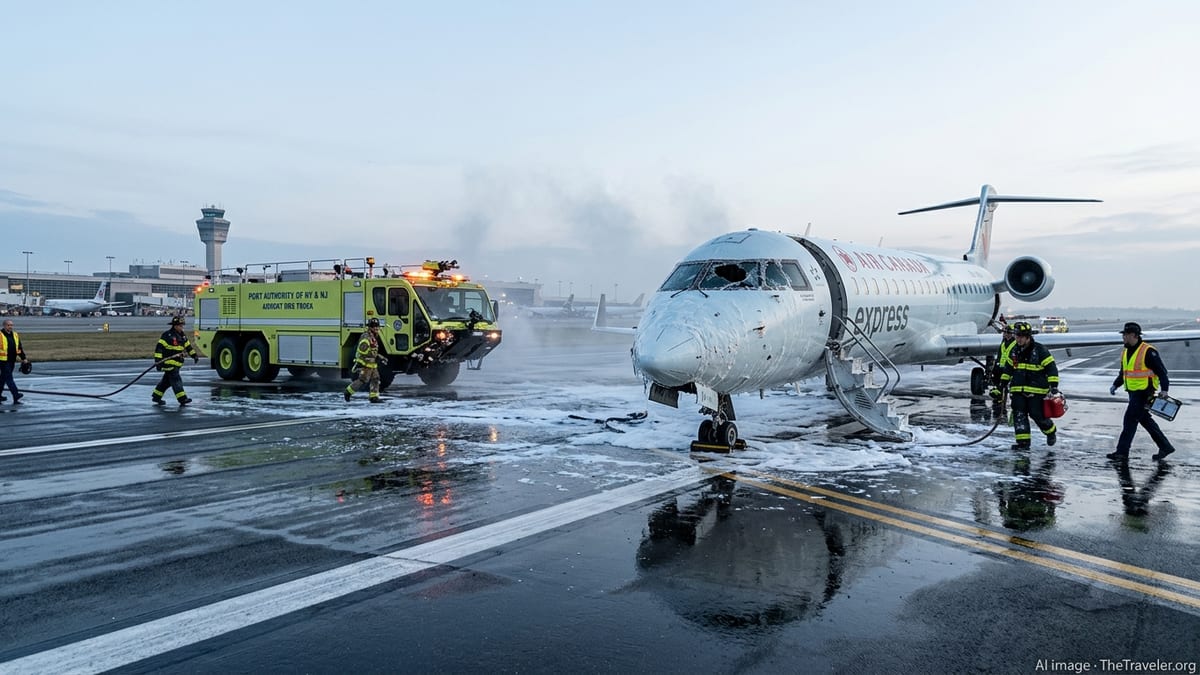
Fire near southern runway brings operations to a halt
Reports from aviation tracking platforms and passenger accounts indicate that the incident began on the evening of Thursday 6 August, when a fire broke out in grassland close to Heathrow’s southern runway. Images and flight-tracking data shared publicly showed emergency vehicles clustered at the western end of the runway and a queue of aircraft waiting on adjacent taxiways while arrivals and departures were paused.
Early accounts from travellers described aircraft holding in stacks over southeast England and a growing number of diversions to alternative airports including Manchester, Birmingham, Paris and Luton. Some long-haul services approaching Heathrow were instructed to continue to holding patterns before being rerouted, while a limited number of flights continued to use the northern runway once that option was available.
Although the fire itself was contained within airport boundaries and there were no reports of injuries, the presence of vehicles and personnel on or near the active runway meant operations on the southern strip had to be suspended. Heathrow is regularly described in public planning documents as one of the world’s busiest two-runway airports, and any sudden loss of runway capacity can have outsized effects on punctuality and network reliability.
Cause linked to dry conditions and bird-control measures
Accounts shared by people familiar with airfield operations and widely circulated on social platforms suggest the blaze was likely started by bird-control activity at the airfield. Heathrow, like many large airports, uses a mix of techniques to deter birds from the runway environment, including the firing of blank cartridges to create loud noises that scare flocks away from approach and departure paths.
In this case, one of those hot cartridges is believed to have landed in parched grass beside the southern runway, igniting vegetation that has been dried out by weeks of limited rainfall and higher-than-average temperatures in southeast England. Commenters with past experience in Heathrow airfield operations noted that dry periods can significantly increase the risk of grass fires when pyrotechnics or hot fragments are used for wildlife control.
While the precise ignition source has not been formally detailed in official documentation, the combination of long dry spells, extensive grassed areas around the runway system and long-standing wildlife management practices matches risk scenarios described in Heathrow’s publicly available climate and resilience assessments. Those documents acknowledge that hotter, drier summers can elevate fire risk on and around airfields and stress the importance of robust mitigation measures.
Passengers face knock-on delays, diversions and missed connections
Even though the fire was brought under control within a relatively short period, travellers reported a cascade of disruption that lasted into the night and into the following day’s schedule. Heathrow’s tightly packed operating day leaves limited spare capacity, so a pause in movements on one runway quickly translates into queues for take-offs, extended holding times for arrivals and diversions when fuel or crew duty limits are reached.
Accounts from passengers on affected flights describe aircraft waiting at the gate or on the taxiway for extended periods while air traffic controllers sequenced departures onto the remaining open runway. Others reported diversions to regional airports and onward journeys being rebooked or significantly delayed, particularly for those with tight connections onto long-haul services.
Travel forums and social media posts highlighted frustration among travellers unfamiliar with how quickly apparently localised incidents can ripple through a highly optimised global hub. Missed connections, late-night arrivals and re-routed baggage were among the most common complaints, echoing patterns seen during previous Heathrow disruptions linked to weather, technical issues or external infrastructure failures.
Incident underscores Heathrow’s sensitivity to short disruptions
The fire has renewed attention on how reliant Heathrow remains on the smooth operation of just two runways, a point emphasised in recent business-planning documents and independent reviews into airport resilience. With more than 80 million passengers passing through in a typical pre-pandemic year and limited opportunities to build in slack, relatively brief interruptions can have disproportionate impacts on airlines and travellers.
Analyses of recent disruptions at the airport, including a major power outage in March 2025 traced to a substation fire, show that knock-on effects can persist long after the immediate problem is resolved. Once aircraft and crew are out of position and passenger flows are disrupted, recovery requires careful coordination across airlines, ground handlers and airport systems.
Industry research on hub capacity and delay propagation has long warned that highly constrained airports such as Heathrow are particularly vulnerable to seemingly minor incidents on or near their runways. Events ranging from bird strikes and disabled aircraft to short-lived fires can trigger wider schedule instability, especially during peak travel periods or adverse weather conditions.
Advice for travellers transiting Heathrow in the coming days
Although operations at Heathrow moved back toward normal patterns after the fire was contained and the southern runway reopened, the incident serves as a reminder that travellers using tightly timed itineraries through major hubs face elevated risk of disruption. Even once a runway is back in service, residual delays and aircraft repositioning can affect flights for several rotations.
Publicly available guidance from airlines and travel advisers consistently recommends allowing generous connection times at Heathrow, particularly when itineraries involve changing terminals or transferring between Heathrow and other London airports. The latest fire-related disruption underscores that a comfortable buffer can help absorb unexpected delays from airfield incidents, congestion or weather.
Travellers with imminent flights through Heathrow are encouraged to monitor airline apps and departure boards closely on the day of travel, as schedules may continue to adjust while carriers work through any remaining backlog. Flexible ticket rules, travel insurance that covers missed connections and a willingness to consider re-routing options can all provide additional resilience when sudden events like runway closures occur at busy global hubs.