


More news on this day
New Zealand’s Commerce Commission has announced it will file civil charges against Air New Zealand, alleging the airline misled passengers about their rights to reimbursement and compensation when flights were disrupted for reasons within the carrier’s control, in a case that could reshape how passenger entitlements are explained and enforced.
Get the latest news straight to your inbox!
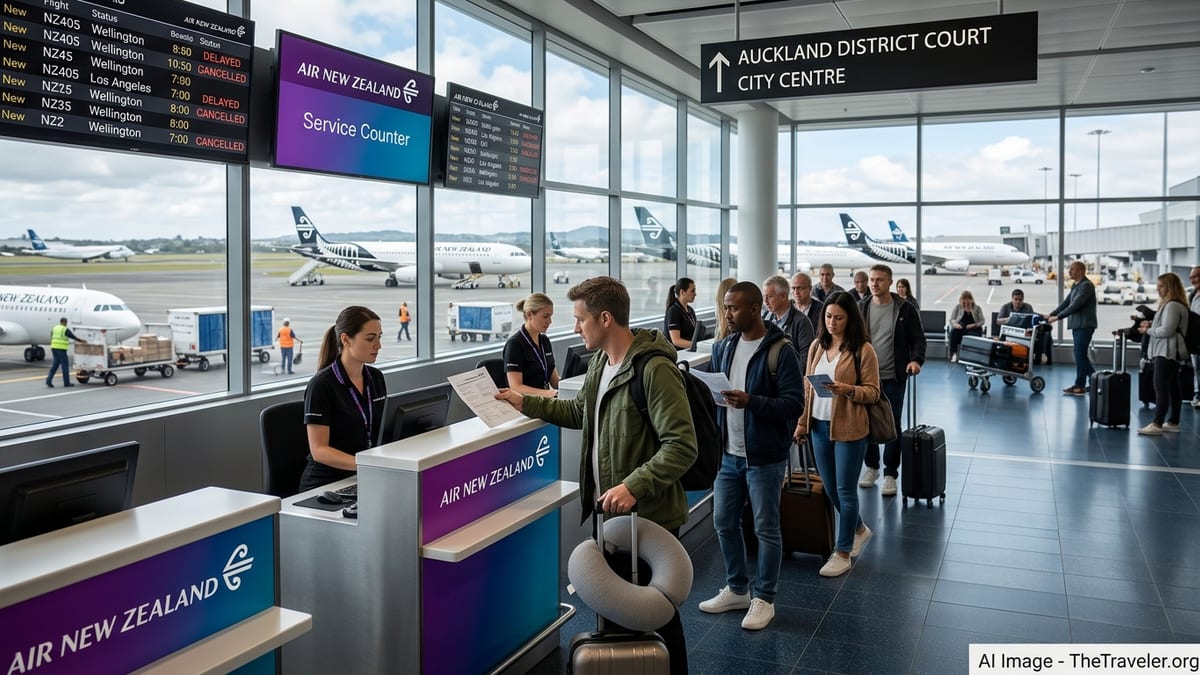
What the Commerce Commission is alleging
In a statement published on 19 November 2026, Commerce Commission Deputy Chair Anne Callinan said the regulator will file proceedings in the Auckland District Court under the Fair Trading Act 1986, alleging Air New Zealand made misleading statements about what passengers could claim when flights were delayed or cancelled for reasons within the airline’s control, such as engineering issues, crew sickness or operational delays.
The Commission says its concern is that some customers were led to believe they had fewer rights than the law provides, and that in some cases legitimate reimbursement claims were rejected. The alleged conduct relates to communications with passengers from at least January 2024 and focuses on both domestic and international services.
At the time of the announcement, the Commission confirmed that charges had not yet been filed and said it could not provide further detail while it prepares its case. Air New Zealand’s formal legal response had not appeared in official channels, and the airline’s current online disruption information notes that additional rights may apply under the Civil Aviation Act for domestic flights.
How New Zealand law protects disrupted air passengers
The Commission’s announcement highlights two key legal frameworks for travellers. For domestic flights within New Zealand, the Civil Aviation Act allows passengers to seek reimbursement of “reasonable costs” caused by delays or cancellations that are within an airline’s control. In practice this can include meals, accommodation and alternative transport, with a statutory ceiling of up to 10 times the price of the affected ticket.
For international travel, the Montreal Convention applies to most services to and from New Zealand. Under this treaty, airlines can be liable for disruption-related losses, including reasonable expenses like hotels, meals and ground transport, up to specified monetary limits, unless the carrier can show it took all reasonable measures to avoid the delay or cancellation.
The Commission alleges that Air New Zealand’s customer communications understated these legal limits, suggested some types of expenses were not claimable when the law allows them, and included statements that sought to restrict the airline’s liability below what the Civil Aviation Act and Montreal Convention require.
What this means for passengers today
The case does not immediately change any laws or the formal rights available to passengers, but it signals closer scrutiny of how airlines describe those rights and handle claims. Travellers whose flights are disrupted for reasons within Air New Zealand’s control remain entitled to seek reimbursement of reasonable costs under the existing legislation, regardless of what an airline policy page might suggest.
Consumer Protection guidance from the New Zealand government advises passengers to keep detailed records when a flight is delayed or cancelled, including receipts for meals, accommodation and alternative transport, as well as copies of booking confirmations and any messages from the airline. Passengers are encouraged to raise a complaint with the carrier first and, if they believe they have been under-compensated or misled, to escalate through the airline’s dispute resolution channels or the relevant authorities.
Independent consumer group Consumer NZ offers similar advice for both domestic and international itineraries: identify whether the cause of disruption was within the airline’s control, document all additional expenses, and refer to the Civil Aviation Act and Montreal Convention limits when making a claim. Travellers who suspect their claim has been wrongly rejected can consider options such as the Disputes Tribunal for smaller claims within New Zealand.
Why the case matters and what to watch next
This is the first time the Commerce Commission has moved from investigation to filing court proceedings specifically over alleged misleading statements about flight disruption compensation by Air New Zealand, following several years in which consumer advocates highlighted confusion about passenger rights. The outcome could clarify how far airlines must go in proactively explaining legal entitlements, and how the Fair Trading Act intersects with aviation-specific rules.
If the court finds breaches of the Fair Trading Act, Air New Zealand could face financial penalties and may be required to adjust its customer communications or internal claims processes. Even before any judgment, the case is likely to encourage closer review of disruption policies across the industry, including how caps and exclusions are described in conditions of carriage and customer service messages.
For now, travellers should watch for three developments: the formal filing of the Commission’s statement of claim in the Auckland District Court, any detailed response from Air New Zealand outlining its position, and any interim changes the airline makes to its disruption pages, booking terms or staff guidance on compensation. Until those emerge, passenger rights under the Civil Aviation Act and Montreal Convention remain in force as written, and travellers are advised to rely on those legal standards when assessing what they can claim after a disruption.