


The first 90 days in Thailand are a critical operational window for new expats. Decisions made in this period will determine how reliably an individual can bank, communicate, receive official correspondence and comply with Thai administrative requirements. This briefing focuses on the core practical setups that typically need to be completed in the first three months, and outlines realistic timelines, documentation expectations and common friction points.
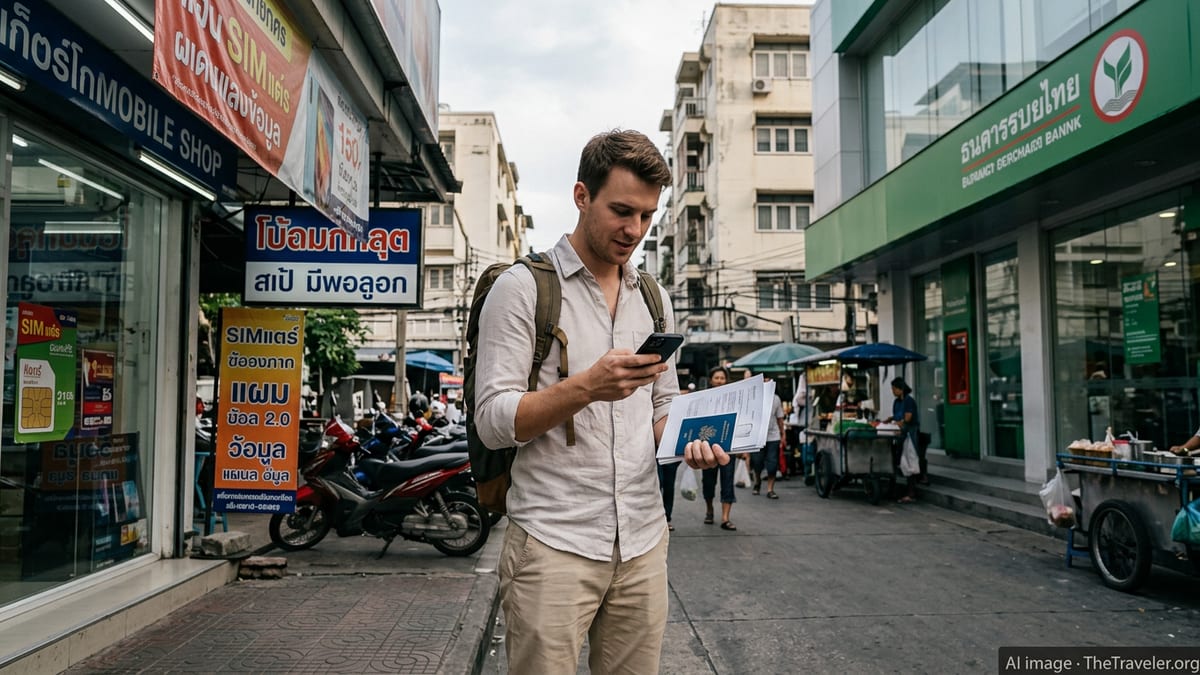
Understanding the First 90 Days Framework
The 90 day horizon in Thailand is significant for several reasons. It is long enough that many expats will need fully functioning local banking, telecommunications and address registration, but short enough that they may still be on initial or temporary immigration permissions. In practice, this can create a gap between what expats need operationally and what institutions require as proof of long term residence.
Many banks, mobile operators and government offices now align their internal compliance rules with anti money laundering and cybersecurity regulations. As a result, expats arriving in Thailand can expect higher documentation thresholds for services that might have been straightforward in the past, particularly mobile SIM registration, bank account opening and ongoing proof of address.
It is therefore useful to treat the first 90 days as a structured implementation phase. New arrivals who sequence key tasks logically, and assemble address and identity documentation early, are more likely to achieve stable day to day functionality before their initial permission to stay or visa conditions need to be revisited.
From a relocation planning perspective, understanding these first 90 days requirements in advance helps an assignee, accompanying partner or self relocating professional evaluate whether Thailand is operationally feasible, especially if they expect to be paid locally or to use Thai digital services such as mobile banking and government e portals.
Address Registration and Immigration Linked Requirements
Thailand ties many administrative processes to formal address reporting. Under immigration rules, foreigners staying more than short tourist periods must ensure that their place of residence is correctly reported to immigration via the TM30 system, which is a notification of residence for foreigners. The primary legal obligation falls on landlords, hotel operators or property owners, but practical consequences fall on the expat if the address record is missing or incorrect.
Current practice is that an accurate address registration is often a precondition for other immigration transactions, such as visa extensions or the mandatory 90 day address reporting required for foreigners who remain in Thailand for more than 90 consecutive days. Several immigration offices now actively check that the initial address notification is in place before accepting a 90 day report or an application for extension of stay.
In the first 90 days, an expat should therefore confirm that their landlord or building management has submitted the address notification shortly after move in, and that the details match the address on any lease or residence certificate they will later need for banks or other institutions. Where an employer or university arranges housing, internal HR or international office teams often complete the online TM30 notification on the expat’s behalf and can provide printouts if requested.
Failure to align address records early can create cascading friction. An expat who cannot demonstrate a correctly reported address may find that immigration will not accept their 90 day reporting, which in turn can impact their ability to renew permissions or obtain re entry permits. As a result, validating the address registration status within the first weeks is a priority operational task even for expats who are not yet required to file their own 90 day report.
Mobile Connectivity and New SIM Registration Controls
Reliable mobile connectivity is a foundational setup item in the first days rather than first months. However, Thailand has significantly tightened SIM card registration rules, and these changes affect the options available to expats who plan to stay beyond a short tourist stay. All mobile numbers in Thailand must now be registered against verified identity documentation, and prepaid anonymity is no longer permitted in practice.
Mobile operators and retailers require foreigners to present an original passport when purchasing or registering a Thai SIM card. Many points of sale now use biometric checks where the buyer’s face or fingerprints are scanned and matched with passport data as part of the registration workflow. This follows a regulatory push to combat fraud and SIM related cybercrime. The effect for expats is that each mobile number is firmly linked to their legal identity, and incomplete or incorrect registration can later disrupt mobile banking or two factor authentication services.
For new arrivals, the first 7 to 14 days are an appropriate window to move from a tourist targeted SIM to a longer term prepaid or postpaid plan registered with the correct personal details. Some expats continue to use a tourist SIM well beyond its initially intended validity by topping up, but banks and some digital platforms increasingly prefer or require that the mobile number be clearly tied to the long term account holder, sometimes with a receipt or registration slip showing the passport number and subscriber name.
Given evolving compliance practices, expats intending to stay 90 days or longer should prioritize registration at a full service operator shop rather than relying on convenience stores that may decline to complete more complex registrations. A properly registered number, linked to the expat’s passport and kept in the individual’s own name rather than a friend’s, reduces risk of service suspension as operators tighten their databases and conduct periodic verification campaigns.
Bank Account Setup in the First 90 Days
Opening a local bank account within the first 90 days is increasingly important for expats who will receive local salary, pay rent in baht or use domestic digital platforms. At the same time, Thai banks have been tightening their requirements for foreigners. Many institutions now expect a long term non immigrant visa and clear proof of address in Thailand, and some branches additionally ask for a work permit or employer confirmation for current accounts.
Practical experience reported by relocation providers suggests that basic savings accounts remain accessible to many foreigners who can present an original passport, a valid non immigrant visa with at least several months remaining and a robust proof of address such as a residence certificate or lease. Some banks also accept employer letters or university enrollment letters as part of the documentation package. Processing timelines vary by bank and branch, with some approvals happening same day and others requiring several working days while compliance teams review the file.
For expats whose visas are initially short term or who arrive on visa exempt entries, opening a bank account within the first 30 to 60 days may only be viable after their status changes to a longer non immigrant category. In these situations, relocation planning should assume a temporary reliance on foreign accounts or international cards until local banking access is granted. Where a local account is essential for payroll, employers often coordinate closely with chosen banks to streamline account opening as soon as the employee’s work permit and visa extension are issued.
Within the first 90 days, realistic expectations are essential. An expat should be ready to provide detailed personal information, including employment details, contact information, and sometimes reference data from a home country bank. They should also plan visits during business hours to main branches in major urban centers, which tend to have more experience processing foreigner accounts than small neighborhood branches.
Digital Identity, Documentation and Record Management
The administrative systems an expat interacts with in Thailand rely heavily on physical documents. Nevertheless, digital identity considerations during the first 90 days can significantly affect how smoothly ongoing transactions proceed. Key institutions such as banks, mobile operators and immigration offices now expect consistent identity data and may capture digital copies of passports, visa stamps and address proofs for their internal systems.
From an operational perspective, expats benefit from organizing a structured documentation set early in their stay. This typically includes high quality passport copies, current visa and entry stamps, lease agreements, employment contracts where applicable, and any residence certificates or address confirmation letters issued by landlords, building management or local authorities. Keeping both physical originals and well organized digital scans facilitates re use across institutions and reduces processing delays.
Digital contact channels are also linked to this documentation. Many Thai banks and service providers send one time passwords or notifications via SMS to the registered mobile number, and some also integrate with local messaging platforms. Misalignment between the name and passport number registered for the mobile line, the bank account and the immigration records can lead to verification failures. Standardizing the spelling of names and ensuring that transliteration from non Latin alphabets is consistent across documents is therefore an important, although easily overlooked, first 90 days task.
Finally, expats should consider where important documents will physically be stored in Thailand. Fireproof or secure storage for passports, original contracts and banking documents is advisable, as replacing them can be time consuming. In parallel, encrypted cloud storage for digital copies supports remote access when institutions request documentation by email or online upload, which is increasingly common for follow up checks and renewals.
Sequencing Tasks Across the First 90 Days
Successful setup in Thailand within the first 90 days is largely a function of sequencing. Some tasks can be completed within hours of arrival, while others depend on the issuance of visas, work permits or address confirmations. A structured timeline helps expats and employers allocate time and avoid bottlenecks.
In the first 1 to 7 days, priority tasks typically include securing a functioning mobile SIM registered to the expat’s passport, moving into at least interim accommodation and confirming that the accommodation provider is aware of and compliant with residence notification requirements. At this stage, expats should also collect and file any lease agreements, hotel invoices or residence letters that will later serve as proof of address.
Between days 8 and 45, focus usually shifts to medium term arrangements. This can include transitioning from a tourist oriented SIM to a longer term plan, engaging with banks to understand account opening criteria, and initiating any immigration or work permit processes that depend on employer sponsorship. Where possible, expats should aim to gather from their landlord or building management any documentation they issue for address confirmation, as banks and other institutions often ask to see originals.
From roughly day 46 to day 90, expats approaching or surpassing 90 consecutive days in Thailand should verify the timeline for the first 90 day immigration address report, confirm that their initial address notification is recorded correctly and finalize banking or other service setups that rely on the more stable visa and employment status now in place. This period is also appropriate for consolidating digital identity details, ensuring that mobile numbers, email addresses and physical addresses used for banks, employers, landlords and immigration are consistent.
The Takeaway
Thailand offers a relatively developed infrastructure for expats, but the first 90 days require deliberate planning. Administrative tightening in areas such as SIM registration, banking compliance and immigration linked address reporting means that assumptions based on earlier, more relaxed practices may no longer hold. New arrivals who treat the first three months as a structured implementation phase are better positioned to establish stable communications, financial access and legal address records.
From a relocation feasibility standpoint, the critical question is whether an expat can realistically meet the documentation and timing expectations for these setups given their visa type, employment status and housing arrangements. Those with employer support, clear long term visas and formal leases generally experience smoother implementation. Individuals arriving without institutional backing or on short term permissions may face greater friction and should factor this into relocation decisions.
Ultimately, reliable day to day functioning in Thailand depends less on informal workarounds and more on alignment with formal systems. Within the first 90 days, securing a properly registered mobile number, confirming address notifications, progressing toward local banking where required and organizing documentation coherently are decisive steps. Expats who achieve these milestones early can then focus on longer term integration, knowing that their basic operational infrastructure is in place.
FAQ
Q1. Do I need a Thai address before I can buy a local SIM card?
In most cases, no. For basic SIM registration, mobile operators primarily require an original passport. However, some postpaid contracts and bundled services may ask for a Thai address, and having a lease or hotel booking confirmation ready can simplify the registration process, especially for longer term plans.
Q2. How soon after arrival should I sort out address registration?
Address registration is usually the responsibility of the landlord or accommodation provider, but expats should confirm within the first one to two weeks that the notification has been submitted and that their name and passport number are correctly recorded. This early confirmation reduces the risk of problems later when immigration records and other service providers rely on the same address data.
Q3. Can I open a Thai bank account during the first 90 days on a tourist entry?
Some banks and individual branches may allow this, but many now prefer or require a long term non immigrant visa and clear proof of address. Expats on tourist entries should be prepared for inconsistent outcomes and may need to wait until their status changes or work permit processes advance before a bank account can be opened reliably.
Q4. Is a tourist SIM card sufficient if I plan to stay close to 90 days?
A tourist SIM can provide connectivity for several weeks, but it is designed for short stays. For expats intending to approach or exceed 90 days, moving to a standard prepaid or postpaid plan registered clearly in their own name is advisable, especially if they will use Thai mobile banking or need stable two factor authentication linked to their phone number.
Q5. What proof of address is typically needed for banks in the first 90 days?
Banks usually expect a combination of documents that can include a lease agreement, a residence certificate from immigration or local authorities, or a formal letter from a landlord, employer or educational institution. Requirements differ between institutions, so expats should gather multiple forms of address evidence where possible.
Q6. How important is it to align my name spelling across documents?
Consistent spelling is increasingly important. Banks, mobile operators and immigration systems often use automated checks, and mismatched spellings or transliterations can trigger verification failures. During the first 90 days, expats should review how their name appears on all major documents and correct inconsistencies early where feasible.
Q7. Can someone else register a SIM card for me in their name?
While it is technically possible for a local contact to register a SIM in their own name and then give it to an expat, this creates risk. The expat would not be the legal subscriber, and future verification for banking or online services might fail. For long term use, it is safer for the mobile number to be registered directly to the expat’s passport.
Q8. What happens if my address is not correctly registered when I reach 90 days in Thailand?
If address records are incomplete or incorrect, immigration officers may refuse to process the mandatory 90 day address report or other applications, potentially leading to fines or additional administrative steps. Checking and resolving any address discrepancies well before the 90 day point reduces the likelihood of such complications.
Q9. Are digital copies of documents accepted, or do I always need originals?
Original documents are almost always required for initial verification, especially for banking, SIM registration and immigration processes. However, institutions may also ask for scanned copies to be emailed or uploaded later. Maintaining organized digital copies supports these follow up requests, but they do not replace the need to present originals when first setting up services.
Q10. How much in person time should I budget for setup tasks in the first 90 days?
Expats should expect multiple in person visits during standard business hours. Setting up a properly registered SIM can often be completed in less than an hour, while bank account opening and immigration related procedures may each require several hours and sometimes repeat visits. Allowing flexible time in the first weeks and avoiding last minute visits near closing time helps ensure that processes are completed without unnecessary delays.