


More news on this day
From summer meltdowns to winter storms, flight cancellations have become a routine travel hazard, but recent rule changes mean airlines now owe passengers more than many realize when trips fall apart.
Get the latest news straight to your inbox!
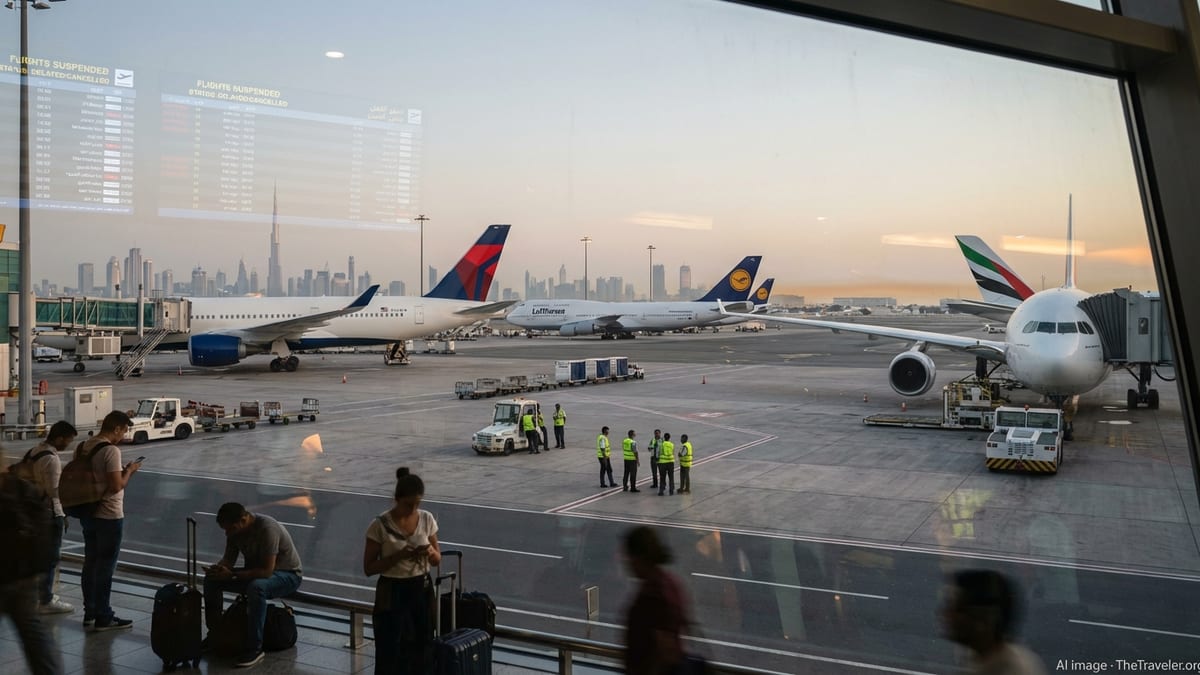
Stronger U.S. refund rules after cancellations and long delays
In the United States, the most important change for travelers is a 2024 rule from the Department of Transportation that tightens when airlines must give money back instead of vouchers. Publicly available federal guidance explains that when a flight is canceled or significantly changed and a passenger decides not to travel, the airline must provide a cash refund to the original form of payment if the ticket was refundable, and a refund in money or travel credit if it was nonrefundable.
The same framework now applies to long delays that effectively upend the trip. Federal consumer information describes a “significant change” as a departure delay of at least three hours for domestic flights or six hours for international routes, sizable schedule shifts, extra connections, or downgrades to a lower cabin. If a traveler does not accept the revised itinerary after such a change, they are entitled to a refund rather than being forced into a credit.
These refunds are owed regardless of why the airline scrapped the flight, whether the cause is bad weather, staffing, mechanical issues, or knock-on effects from broader disruptions. Airlines can still offer alternative flights or rerouting, but passengers now have clearer legal backing when they choose to walk away from the trip and take their money instead of a voucher.
Another key change is how refunds are delivered. Regulatory summaries note that carriers must issue refunds automatically for qualifying cancellations or significant changes when passengers have not taken the alternative itinerary, rather than requiring complex online forms or long customer-service calls. That shift aims to avoid the kind of refund backlogs and disputes that followed major disruptions in recent years.
When you may still have to pay out of pocket
Even with tougher rules, not every cost tied to a cancellation is covered. U.S. regulations focus heavily on returning the fare you paid and certain fees tied directly to the flight, such as seat reservations and checked bags on that itinerary. They do not guarantee reimbursement for hotels, meals, or lost vacation time when a trip collapses, although some airlines voluntarily provide vouchers or hotel rooms during large disruptions.
Travelers can also be on the hook if they choose to continue a trip on their own rather than use options the airline offers. For example, if an airline cancels a flight but proposes a later departure and a passenger instead buys a same-day seat on another carrier, federal rules emphasize the obligation to refund the original ticket, not to cover the price difference to a new airline. Some passengers pursue that gap through credit-card benefits or travel insurance, but it is not a standard airline responsibility.
Tickets canceled by the traveler are treated differently from flights canceled by the airline. Outside the 24-hour risk-free window that exists for most bookings made at least seven days before departure, a nonrefundable ticket that a traveler decides to cancel is typically converted into a travel credit subject to change fees and fare differences under the airline’s own policy. Those self-cancellations generally do not trigger the automatic refund protections that apply when the carrier fails to operate the flight as sold.
Basic economy tickets introduce another layer of complexity. Many U.S. airlines sell these fares with strict “no voluntary change” rules, meaning travelers who simply change their minds usually forfeit most of the value. Under the new federal rules, however, those same tickets must still be refunded if the airline cancels the flight or makes a significant change and the passenger rejects alternatives, underscoring the difference between a traveler’s choice to cancel and a carrier’s failure to provide service.
European flights and flat cash compensation under EU261
For passengers flying to, from, or within Europe, separate rules can add substantial cash on top of a refund. The European Union’s Regulation 261/2004, often called EU261, requires airlines to provide assistance and, in many cases, fixed compensation when a flight is canceled. Official summaries explain that these protections apply to any flight departing an EU airport, as well as flights into the EU when operated by an EU carrier, plus similar regimes in Iceland, Norway, and Switzerland.
Under EU261, travelers on qualifying flights are entitled to a choice between a refund of the unused ticket or rerouting to their final destination when a flight is canceled. On top of that, if passengers are notified less than 14 days before departure and the disruption is not caused by legally recognized “extraordinary circumstances,” airlines may owe lump-sum compensation ranging from 250 to 600 euros per person depending on the flight distance and timing of the replacement service.
Those European rules also require carriers to provide care while passengers wait for rerouting, including meals, refreshments, and hotel rooms when an overnight stay becomes necessary. As with U.S. regulations, a refund is due if the traveler decides not to continue the trip, but EU261 goes further by adding set compensation amounts in many cases, effectively recognizing the lost time and inconvenience as something separate from the ticket price.
Travelers should note that EU261 does not apply to every disruption. Airlines can avoid paying the fixed compensation if they demonstrate that a cancellation was linked to extraordinary circumstances that could not have been avoided, such as serious security risks or certain airspace closures, although they must still offer a refund or rerouting. Mechanical issues and staffing problems are usually treated as the airline’s responsibility rather than extraordinary, which is why many recent legal disputes and consumer claims have focused on how carriers classify the cause of a cancellation.
Vouchers, credits and add-on fees: what happens to extras
One persistent source of confusion is how refunds interact with vouchers and travel credits. In the United States, consumer guidance indicates that when a flight is canceled or significantly changed and the passenger does not accept alternative transportation, the airline must return the money paid for the ticket and related mandatory services, even if it initially offered a voucher. If a traveler agrees to take a credit voluntarily, however, it can be harder to reverse that decision later, so understanding the underlying right to cash is important before accepting a coupon.
The treatment of ancillary fees depends on whether the service was actually provided. Baggage fees, seat selection charges, and early-boarding add-ons tied to a canceled flight generally have to be refunded if the flight never operated or if the passenger did not take it because of a significant schedule change. If the trip goes ahead but a specific service fails systemwide, such as pre-paid onboard Wi-Fi or premium entertainment, federal rules require airlines to refund those charges as well.
In Europe, EU261 focuses more on the core ticket and standardized compensation than on smaller extras, but national enforcement bodies and consumer agencies have increasingly pressured airlines to return payments for services that were not delivered. Some carriers now outline in their conditions of carriage that optional services will be refunded automatically when the underlying flight is canceled, while others require passengers to submit separate claims.
Travelers who booked through online travel agencies or third-party platforms can face additional delays, because refunds usually flow from the airline back to the intermediary before being passed on to the customer. U.S. rules now make both airlines and ticket agents responsible for ensuring that passengers actually receive the refund within specified time frames, but the money may still take several weeks to show up on a statement, especially after large-scale disruptions.
How travel insurance and cards fill the gaps
Because neither U.S. nor European aviation rules cover every loss, many passengers turn to travel insurance and premium credit-card benefits to bridge the gap. Policy documents for trip-cancellation and trip-interruption coverage typically reimburse nonrefundable pre-paid expenses such as hotels, tours, and rental cars when a covered reason forces a trip to be abandoned or cut short, which can be critical when a canceled flight strands travelers far from home.
Separate travel-delay benefits often reimburse reasonable meals and hotel stays during long waits, within daily and trip-wide limits. These protections can apply when an airline cancellation is caused by weather or air-traffic-control restrictions that fall outside compensation schemes like EU261 yet still leave passengers with real out-of-pocket costs. Many card issuers now highlight these benefits in marketing materials as flight disruptions become more common.
At the same time, insurance and card claims usually require documentation, including proof of the cancellation, receipts, and records of what the airline offered. Consumer advocates advise keeping boarding passes, screenshots of delay notices, and written confirmations of schedule changes, since those details can determine whether a claim is paid or denied.
For travelers navigating a maze of airline policies, national regulations, and insurance clauses, the key distinction is between what carriers must provide by law and what travelers must arrange on their own. Refund rules now make it easier to recover the cost of a canceled flight, but hotel nights, missed tours, and last-minute alternative flights often fall to a patchwork of voluntary airline policies, travel insurance, and personal budgets that still leave room for unpleasant surprises.