


More news on this day
A rash of flight cancellations on the short but vital Boston to Nantucket corridor in May 2026 is stranding travelers, compressing seat availability and pushing more visitors onto already busy ferry services just as the island’s peak season begins.
Get the latest news straight to your inbox!
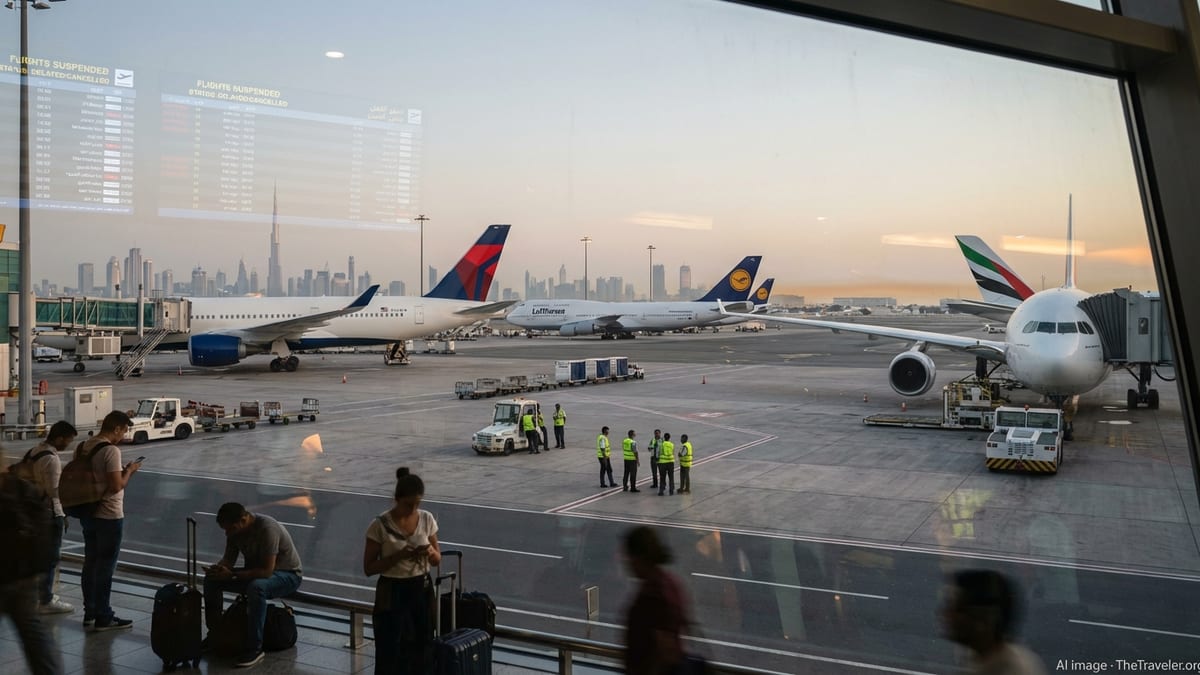
Wave of Scrubbed Departures Hits a Critical Connection
Publicly available flight tracking and schedule data indicate an unusual cluster of cancellations on Boston–Nantucket services in the first days of May 2026, particularly on regional carrier Cape Air’s high-frequency shuttle flights. Several BOS–ACK rotations listed as operating earlier in spring disappeared from booking channels or appeared as canceled on third-party trackers for departures around May 1, reducing the number of same-day travel options for island-bound passengers.
The Boston–Nantucket air bridge is typically one of the most densely served short routes in New England, moving commuters, seasonal workers and leisure travelers between Logan International Airport and Nantucket Memorial Airport. Even limited disruption has an outsized impact because many itineraries rely on tight connections in Boston from national and international networks onto small commuter aircraft serving the island.
Schedule aggregators that compile airline timetable changes show that while some Cape Air flights continued to operate, others in early May were marked canceled or temporarily unavailable for sale, narrowing the time bands in which passengers could depart or return the same day. These gaps coincided with the shoulder period between April’s quieter travel patterns and the rapid buildup toward late May and summer holidays.
On-time performance statistics for Boston–Nantucket services published in recent weeks still show relatively strong historical reliability through mid-April, underscoring the contrast with the more turbulent pattern seen as May begins. For many regular travelers, the sudden shift translated into rebookings, last-minute rerouting through Hyannis, or abandoning air travel in favor of ferries.
Weather, Fleet Constraints and Capacity Shifts Converge
Analysts following New England regional aviation point to a familiar combination of factors behind the May disruptions: spring coastal weather, tight fleet utilization and broader reshuffling of regional capacity. Small aircraft serving Nantucket are more vulnerable to low ceilings, fog and gusty winds common over Cape Cod and the islands in late spring, leading to cancellations when conditions fall outside operating limits.
At the same time, Cape Air continues to operate a mixed fleet of aging piston-powered aircraft and newer turboprops on short sectors such as Boston–Nantucket. Industry data and safety briefings highlight that carriers using small fleets have limited slack when an aircraft is taken out of rotation for maintenance or inspections, which can cascade into multiple scrubbed departures on a route with many daily frequencies.
Network adjustments among larger carriers are also rippling into island access. JetBlue and other major airlines serving Boston have been revisiting their route structures in 2025 and 2026, with some seasonal links to smaller destinations paused or re-timed. While most of those changes focus on longer domestic and international routes, reductions in regional feed or altered bank structures in Boston can indirectly constrain options for travelers trying to connect onward to Nantucket on the same day.
Industry documentation on delay and tarmac policies for Cape Air emphasizes the carrier’s discretion to cancel or delay flights in the interest of safety, including for weather and operational limitations. In practice, that means periods of marginal conditions or operational stress can quickly translate into a high percentage of cancellations on short-haul island flights, even when the broader Logan departure board appears relatively normal.
Travelers Diverted to Ferries, Buses and Alternate Airports
As cancellations have stacked up, more travelers appear to be pivoting to the classic mainland-to-island combination of buses and ferries. Up-to-date bus timetables show late-night services from Boston Logan to Hyannis timed to meet early morning high-speed ferries to Nantucket, a pattern echoed in recent traveler discussions planning May arrivals for seasonal work and early-summer stays.
Ferry operators that publish detailed spring and early-summer 2026 schedules are offering dense runs between Hyannis and Nantucket, including hourly-style service bands during peak weekends. Those timetables, already designed to absorb Daffodil Festival and Memorial Day surges, are now functioning as a crucial relief valve for passengers who can no longer rely on a nonstop hop from Boston.
Some visitors are also exploring alternative air gateways. Hyannis, Martha’s Vineyard and even Providence feature in recent advice shared among New England travelers as possible backup options when direct Boston–Nantucket flights become unreliable. From these points, passengers can connect by ferry or smaller commuter flights, adding legs but sometimes improving overall predictability compared with risking a canceled BOS–ACK sector.
The shift is not seamless. Bus and ferry combinations extend total journey times, often by several hours, and can introduce their own capacity challenges during holiday peaks. Accommodation constraints in Hyannis and on Nantucket further complicate matters for travelers forced into overnight stays following missed connections or late-day cancellations.
Economic and Operational Strain on Nantucket’s Early Season
Nantucket’s tourism economy depends heavily on the ramp-up in May, when festivals, second-home openings and early-summer staffing all converge. Flight disruptions on the Boston route threaten to delay arrivals of seasonal workers and compress visitor flows into fewer travel windows, straining island infrastructure on certain days while leaving gaps on others.
Enplanement data published by Nantucket Memorial Airport for recent fiscal years shows a steady rise in passenger volumes leading into peak season, with Cape Air and a handful of other carriers responsible for a large share of year-round lift. Any sustained drop in May operations on the Boston link risks undermining that growth trend and complicating planning for airport services, ground transport and hospitality businesses.
Local businesses already face tight labor markets and housing shortages, with many workers flying in from the mainland or abroad on time-sensitive itineraries. When Boston–Nantucket flights cancel, those workers may be delayed by a full day or more, leaving restaurants, hotels and construction projects scrambling at the very moment they are trying to gear up for summer.
Observers note that while ferries can move large numbers of passengers, they are less efficient for quick day trips or last-minute staffing changes compared with a short flight from Logan. The recent spate of cancellations is therefore shifting not just how tourists reach the island, but how flexibly employers can manage their seasonal operations.
Calls for Greater Resilience Ahead of Summer Peaks
With Memorial Day and the core summer season approaching, attention is turning to how resilient the Boston–Nantucket air corridor will be if cancellations persist. Travel forums and consumer-rights platforms are tracking compensation claims and rebooking challenges, particularly for passengers connecting from other airlines through Boston onto Cape Air or similar regional operators.
Advocacy sites that monitor delay and cancellation patterns stress that passengers combining tickets across carriers may face more complex rebooking scenarios when a short island hop is scrubbed, compared with travel on a single through-ticket. Where schedules allow, some advisers are recommending building in longer connection times at Logan or considering overnight stays before attempting the final leg to Nantucket.
Industry observers expect airlines and ferry companies to continue adjusting capacity as the season unfolds, potentially adding extra sailings or tweaking flight times on days with historically strong demand. However, without structural changes in fleet size, weather resilience or air traffic control staffing, the Boston–Nantucket air link is likely to remain sensitive to disruption.
For now, travelers planning May and early-summer trips to Nantucket are being urged by publicly available guidance and peer reports to book early, allow generous buffers for connections, and have a back-up plan that includes Hyannis-bound buses and ferries in case a crucial short flight between Boston and the island is abruptly canceled.