


More news on this day
Porter Airlines has introduced a new optional flight disruption product, giving travelers the choice to add extra protection and flexibility to their bookings when delays, cancellations or missed connections disrupt planned itineraries.
Get the latest news straight to your inbox!
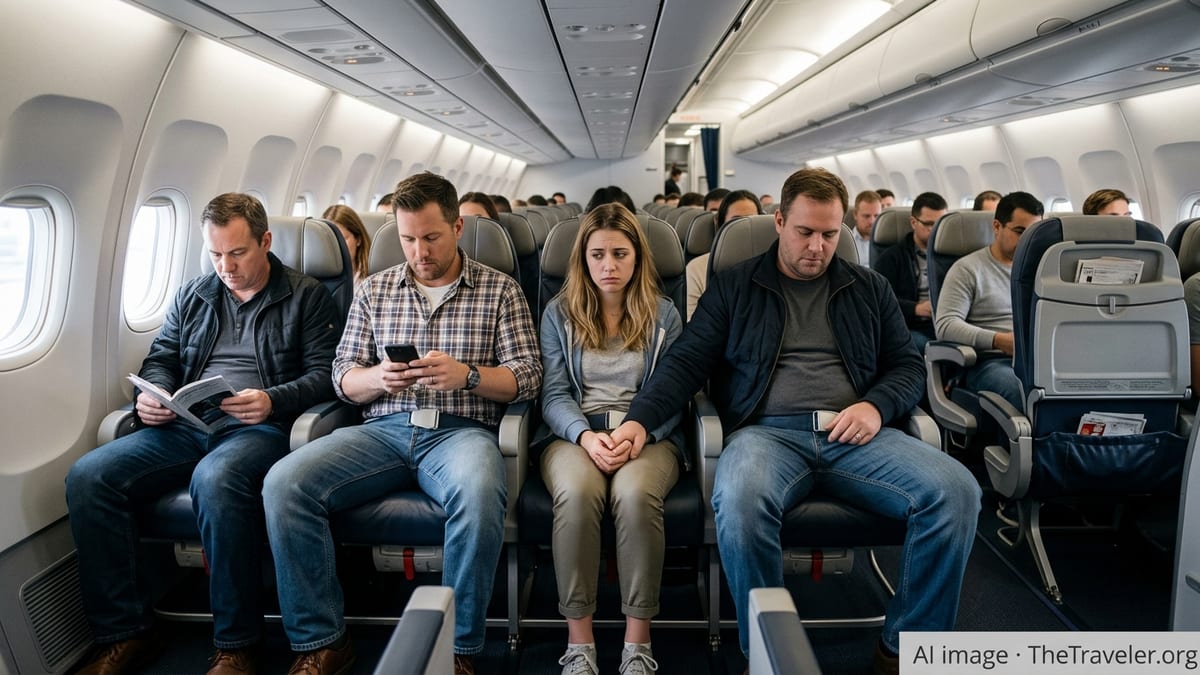
New add-on targets growing disruption concerns
The new disruption product appears among Porter’s expanding menu of optional "travel extras" and ancillaries, alongside paid seating, baggage and trip insurance. Publicly available information shows that the carrier is positioning the add-on as an additional layer of reassurance when trips do not operate as scheduled, responding to increasing anxiety among travelers about operational reliability.
Porter has expanded rapidly in recent years, adding longer-haul routes and jet aircraft, which has brought the airline into more direct competition with Canada’s largest carriers. At the same time, flight delays and cancellations across North America have kept disruption risk at the forefront of trip-planning decisions. The new product is structured as a voluntary purchase rather than a built-in fee, allowing passengers to decide whether the extra protection is worth the added cost for a particular journey.
Reports indicate that the disruption coverage is marketed alongside other day-of-travel conveniences on Porter’s booking platform. By integrating the option directly into the booking path and manage-booking tools, the airline can present it at moments when passengers are most focused on schedule certainty, such as after choosing specific departure times.
While Porter already outlines rebooking and refund obligations in its domestic and international tariffs, the additional paid product is designed to go beyond baseline requirements. It aims to address out-of-pocket costs and rebooking preferences that are not always covered under standard policies, particularly when travelers want faster alternatives or more control over when and how they complete their trips.
How Porter’s disruption product fits into its ancillary strategy
According to Porter’s published fare and fee information, the airline has steadily developed a layered portfolio of optional services, including bundles that combine seat selection, baggage and flexibility at discounted package rates. The disruption add-on extends this approach into the realm of operational reliability, effectively monetizing an area that has traditionally been handled only through mandatory consumer protection rules and general customer service policies.
The product mirrors a broader industry move toward parametric and add-on disruption coverage. Similar offerings on other carriers, developed with technology partners, provide automatic assistance and alternative travel options when predefined delay or cancellation thresholds are met. Porter’s decision to introduce its own disruption-focused ancillary suggests a similar model, in which customers pay a relatively modest upfront fee in exchange for more predictable support if their flights are significantly impacted.
Positioned as optional rather than bundled into base fares, the product allows Porter to keep headline ticket prices competitive while still generating additional revenue from passengers who value extra security. This is consistent with a wider trend among airlines that separate out ancillaries ranging from checked bags to seat assignments and even same-day change flexibility.
Travel industry analysts note that such products can also provide airlines with more structured ways to manage disruption cases, because eligibility criteria and entitlements are defined at the time of purchase. For travelers, this can translate into clearer expectations about what happens when operations go off schedule, beyond what is set out in general conditions of carriage.
What travelers can expect from disruption coverage
Specific benefit details for Porter’s new product are presented within the airline’s booking and travel extras pages, but the general intent is to create a straightforward path to assistance when a flight is significantly delayed, diverted or cancelled. In practical terms, this can include facilitated rebooking on later Porter flights, support with alternative arrangements, or defined compensation parameters that supplement standard refunds where applicable.
The airline’s existing disruption information already outlines scenarios in which passengers may be rebooked on other airlines if suitable Porter flights are unavailable within a certain time frame. The optional add-on is expected to work alongside those commitments, potentially reducing the need for passengers to negotiate case by case when disruptions occur.
Industry examples from comparable products show that disruption add-ons often trigger support once delays reach a set threshold, such as several hours beyond scheduled departure, or when cancellations force overnight stays or missed onward connections. Travelers purchasing such coverage typically receive clearer eligibility rules and can anticipate more proactive communication about options, helping to limit uncertainty during irregular operations.
For passengers who rarely experience disruptions or who are traveling on lower-cost, flexible itineraries, the add-on may be viewed as an extra that can be skipped. For those with tight schedules, important events at their destination, or complex multi-leg journeys, the additional cost may be weighed against the potential stress and expense of rearranging plans on short notice.
Comparison with wider market trends in disruption protection
Porter’s move aligns with a growing ecosystem of travel disruption products offered by airlines, third-party insurers and fintech providers. Across the market, these services increasingly use real-time flight data to automatically unlock benefits once certain disruption conditions are detected, sometimes without the traveler needing to file traditional claims.
Several low-cost and hybrid carriers have already adopted disruption assistance add-ons that allow customers to rebook on other airlines or receive defined cash amounts when flights are severely delayed. These products are sold alongside standard fares as a way to provide reassurance without fundamentally altering the airline’s core pricing structure.
The introduction of a similar option by Porter reflects competitive pressure to match or exceed the disruption support being marketed by peers. It also underscores how ancillary revenue strategies are evolving beyond conventional extras like baggage and seats, expanding into risk management products that bridge the gap between airline obligations and passengers’ expectations.
Observers note that the success of such offerings depends heavily on transparency and fulfillment. Clear explanations of what is covered, what is excluded, and how travelers access benefits during a disruption are likely to determine whether customers view the product as genuine protection or simply another fee. As more carriers experiment with disruption add-ons, comparisons across airlines may become a factor in consumers’ purchasing decisions.
Implications for Canadian air passengers’ rights landscape
The launch of an optional disruption add-on also intersects with ongoing debates over air passenger protections in Canada. Regulatory frameworks set minimum standards for rebooking, refunds and compensation when flights are delayed or cancelled, but many travelers have expressed frustration with the complexity and variability of claims processes.
By selling disruption coverage as a defined product, Porter is effectively layering a commercial solution on top of existing regulatory obligations. Supporters of such products argue that they can simplify outcomes for travelers who are willing to pay for clearer rules and faster resolution when plans go awry. Critics caution that optional coverage should not dilute or obscure the baseline rights passengers hold under national and international regulations.
For consumers, the development may prompt closer scrutiny of how much protection is included with a ticket versus what is available only through add-ons or third-party services. As airlines like Porter continue to expand their ancillary portfolios, travel planners may increasingly consider disruption coverage alongside classic options such as insurance, flexible fares or loyalty-program benefits.
The new product adds another dimension to how Canadian travelers evaluate the trade-off between upfront ticket price and the robustness of support when trips are disrupted. As operational conditions and regulatory expectations evolve, disruption-specific ancillaries are likely to remain a focus for both airlines and passengers looking to manage risk more predictably.