


More news on this day
Early May travel to Nantucket has been marked by a spate of flight cancellations and schedule disruptions, complicating access to the island just as seasonal demand begins to build for 2026.
Get the latest news straight to your inbox!
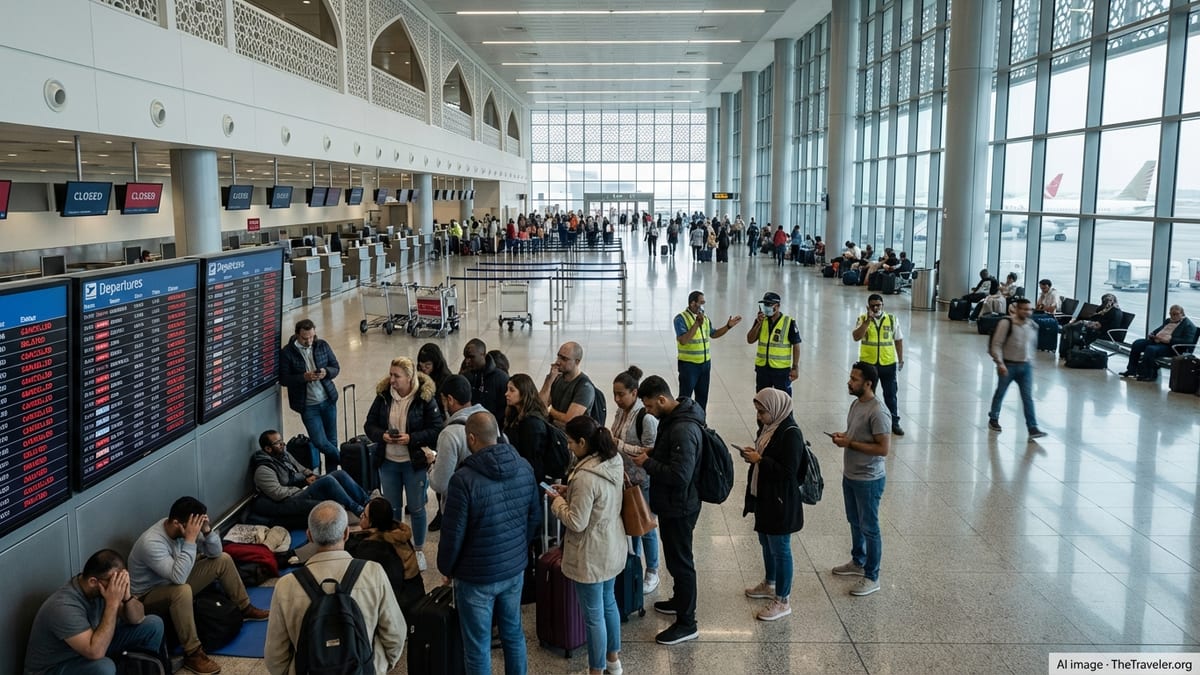
Clusters of Cancellations Hit Key Nantucket Links
Publicly available flight-tracking records point to several cancellations on short-haul routes serving Nantucket in the opening days of May 2026, particularly between Boston and the island. Operational data compiled by air passenger rights platforms shows multiple Cape Air flights on the Boston–Nantucket corridor in late April and early May either canceled outright or reclassified as schedule changes close to departure. While the overall number of affected flights remains modest compared with peak summer volumes, the clustering of disruptions at the very start of the season has had an outsized impact on travelers who rely on limited daily services.
The timing has been especially sensitive because Nantucket’s route network is still in its shoulder season configuration. Seasonal nonstop service from major hubs, including New York JFK, does not expand until mid May under published schedules, leaving fewer alternatives when early season flights are pulled from the board. For many passengers, the loss of one or two key frequencies on a given day can mean arriving on the island significantly later than planned or diverting to ferries and buses to complete their journeys.
Industry analytics for Cape Air’s Nantucket operations in the months leading up to May suggested relatively solid on time performance overall, but also highlighted susceptibility to disruption on individual rotations. That pattern appears to have continued into early May 2026, where even a small number of cancellations has been enough to ripple through the tightly timed connections that link Boston and other mainland gateways with the island’s compact terminal at Nantucket Memorial Airport.
Weather, Operations and a Fragile Regional Network
Daily air traffic summaries from federal aviation authorities for the first week of May describe a mix of low ceilings, coastal fog and scattered thunderstorms across parts of New England, conditions that frequently trigger flow restrictions at smaller regional airports. Nantucket Memorial Airport, surrounded by open water and reliant on instrument procedures that are periodically updated each spring, is particularly exposed to deteriorating visibility and shifting winds. Even when the airport itself remains open, precautionary ground delays at larger hubs can push short-haul island flights beyond viable operating windows.
Alongside weather, regional airline operations have been under renewed scrutiny nationwide. Industry coverage in early May has detailed how staffing pressures, aircraft availability and tighter utilization targets have magnified the impact of even minor schedule changes. While large network carriers have drawn most of the attention for multi-day disruption events, smaller operators that serve Nantucket work with little spare capacity, leaving minimal room to reassign crews or substitute aircraft when a flight is pulled from service.
The island’s dependence on a small group of carriers and aircraft types amplifies that vulnerability. Most year round flights are operated with nine seat commuter planes and a limited number of regional jets, meaning a single mechanical issue can wipe out a significant share of daily capacity. With summer still weeks away and backup aircraft not yet fully positioned for peak season, early May remains a period when the system is more brittle than visitors might expect.
Passengers Turn to Ferries as Backup Route
As cancellations accumulated in the opening days of May, many travelers opted to abandon disrupted flight itineraries and move to the ferry network that links Nantucket with the mainland. High speed services from Hyannis operate year round and are supplemented in spring by seasonal inter island links from Martha’s Vineyard and additional runs by major operators such as Hy Line Cruises and the Steamship Authority. Draft and published 2026 operating schedules show a steady ramp up in departures from mid April through late May, providing an alternative for passengers able to reach Cape Cod by road or bus.
However, ferry capacity is not unlimited, particularly when air disruptions concentrate demand into specific sailings. Notices from regional ferry companies emphasize the importance of reservations and encourage travelers to sign up for service alerts as operators adjust timetables in response to weather and traffic levels. In online travel forums focused on Nantucket, posters in March and April had already been advising early May visitors to build in extra time for connections and to keep a close eye on both ferry and flight status, a precaution that has proven useful during this latest wave of flight issues.
The pivot to ferries also introduces new logistical challenges. Many early season visitors arrive first at Boston Logan or Providence by air, then rely on intercity buses to reach Hyannis for the crossing to Nantucket. When a short hop flight to the island is canceled, passengers may find themselves racing to make the last evening ferry or securing overnight accommodation on Cape Cod. For workers on seasonal contracts and travelers with fixed rental start dates on the island, those delays can carry financial as well as practical consequences.
Growing Demand Meets Capacity Constraints
Passenger statistics for Nantucket Memorial Airport show that traffic has been steadily rising in the late spring shoulder period. Municipal data for recent fiscal years indicates that May enplanements have grown faster than in some peak summer months as travelers look to avoid high season crowds and prices. JetBlue’s expansion of summer service and the continued strength of Boston and New York demand have further concentrated traffic into a short window when additional flights begin to appear but the full high season schedule is not yet in place.
Against that backdrop, a cluster of early May cancellations underscores how little slack exists in the system. When even a few Boston or New York flights are withdrawn, average load factors on remaining services climb quickly and same day rebooking options narrow. Consumer advocacy organizations note that, while U.S. regulations allow passengers to request refunds for canceled flights, reimbursement alone does not solve the immediate problem of reaching an island with finite daily seat counts both in the air and on the water.
Airlines serving Nantucket have outlined their customer commitments in publicly available documents, pledging to provide prompt updates through airport displays, websites and call centers when flights are delayed or canceled. Those commitments typically include options to rebook on the next available flight at no additional cost or to refund unused segments. In practice, early May travelers facing a long wait for the next open seat have often judged it quicker to take a refund and switch to ferry travel, particularly when mainland accommodation and ground transport are readily available.
What Travelers Can Expect for the Remainder of May
Looking ahead to the rest of May 2026, published schedules show a marked increase in both air and sea capacity into Nantucket as the island transitions into its busy season. Cape Air and its partners are slated to add more daily frequencies from Boston and New York from mid month, while larger jets from major carriers are programmed to return on key weekend and holiday peaks. On the water, the Steamship Authority’s high speed ferry timetable expands from mid May, and inter island services between Nantucket and Martha’s Vineyard are due to shift from limited shoulder season patterns to more regular spring operations.
Travel planners suggest that, despite the recent disruptions, most visitors with reservations later in the month should still find multiple routing options, provided they remain flexible about exact departure times and are willing to mix modes. That could mean flying into Boston or Providence, taking a bus to Hyannis, and crossing by ferry, or booking a morning flight to Nantucket with an afternoon sailing as backup in case of disruption. Public discussion boards and travel advisories for the Cape and Islands continue to emphasize the value of building additional buffer time into itineraries, particularly around weekends, holidays and periods of unsettled coastal weather.
The cluster of early May cancellations has served as a reminder that air access to Nantucket, while more robust than a decade ago, is still constrained by geography, weather and the economics of regional aviation. As demand continues to grow in the shoulder seasons, the balance between available capacity and reliability is likely to remain a central concern for travelers, airlines and ferry operators alike.