


More news on this day
Thousands of passengers across China faced unexpected airport overnights and missed connections as a sudden wave of flight cancellations and delays rippled through major carriers, disrupting travel on key routes between Kunming, Beijing, Shenzhen, Nanjing, Chongqing and other hubs.
Get the latest news straight to your inbox!
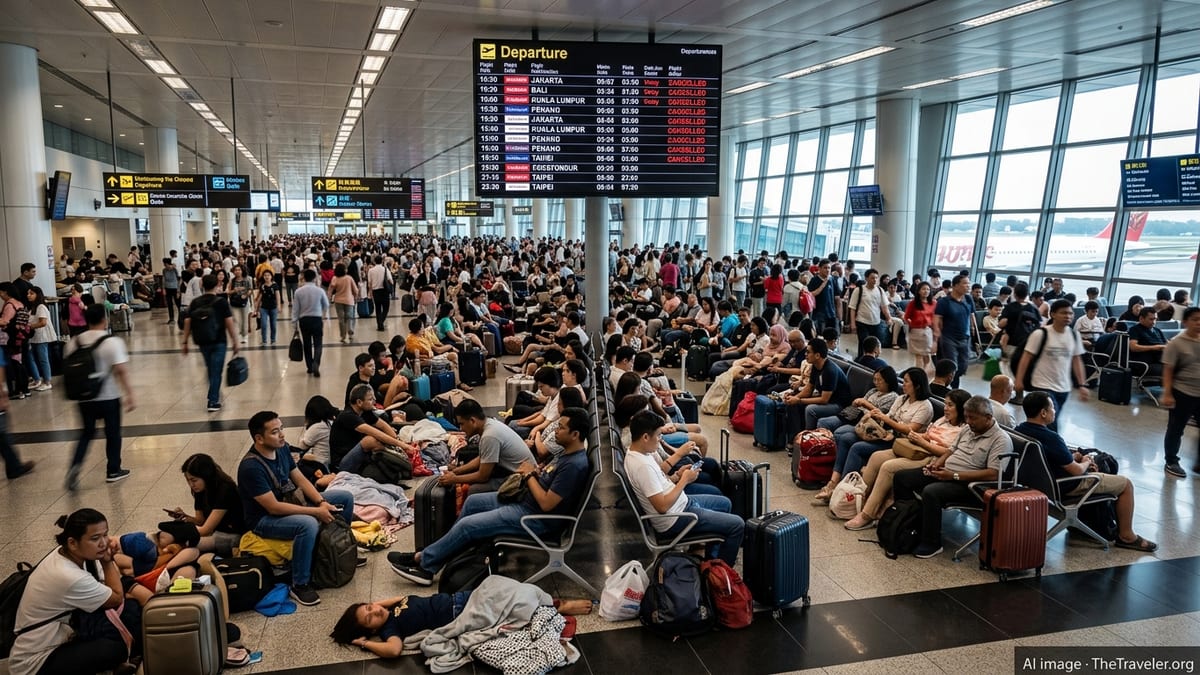
Widespread Cancellations Hit Major Chinese Carriers
Publicly available aviation tracking data and industry reports indicate that a combined 607 flights were cancelled and 1,052 delayed in a single operating period, affecting services operated by China Eastern, Shanghai Airlines, XiamenAir, Lucky Air, Air China and several other domestic carriers. The disruptions were concentrated on busy trunk routes linking inland cities such as Kunming and Chongqing with coastal and political centers including Beijing and Shenzhen.
The pattern of disruption suggests systemwide strain rather than isolated technical issues. Cancellations and delays were recorded across different airline groups and alliances, covering both early morning departures and evening bank flights that typically handle connecting traffic. Passengers reported on social platforms and travel forums that flights were withdrawn or retimed with short notice, leaving limited options for same day rebooking.
Published coverage points to knock on effects across airport operations, with congested check in halls, long queues at airline desks and extended waits for luggage retrieval after last minute cancellations. In several airports, travelers described waiting for hours without clear updates on revised departure times, while others were advised to leave security areas and seek hotel rooms at their own expense.
Key Hubs from Kunming to Beijing Experience Gridlock
The disruption has been most visible at major hubs that serve as gateways for domestic tourism and business travel. In Kunming, a primary aviation hub for southwest China and a jumping off point for routes into Yunnan’s popular scenic regions, cancelled departures and missed connections left many travelers scrambling to rearrange trips further into the province.
In Beijing, both the capital’s main international gateways experienced rolling delays on north south corridors, particularly to and from Kunming, Shenzhen and Chongqing. These routes normally see frequent daily services from multiple airlines, which under ordinary conditions offer travelers flexibility to switch carriers when problems arise. With several operators affected at once, those backup options were far more limited.
Shenzhen, a major technology and manufacturing center, also saw disruption on services connecting to Kunming and Nanjing, complicating travel plans for both domestic business itineraries and international connections. In Nanjing and Chongqing, travelers attempting to reach Beijing or transfer onward found that even when one sector was operating, onward flights were often delayed or cancelled, breaking entire itineraries.
Possible Drivers: Congested Skies, Tight Schedules and High Demand
Analysts tracking China’s aviation sector note that the disruptions have occurred during a period of strong travel demand, particularly around recent and ongoing holiday and festival windows. Official tourism figures for the recent May holiday period showed hundreds of millions of domestic trips, underscoring how quickly small operational shocks can cascade when load factors are high and schedules are dense.
In addition to demand pressure, Chinese carriers are working within increasingly complex airspace constraints. Notices to airmen have highlighted periods of restricted airspace over parts of eastern China earlier this spring, and observers have linked some previous waves of rescheduling to temporary limitations near Shanghai and coastal corridors. Even when specific bans or restrictions are not publicly tied to individual cancellations, tighter routing options can compress schedules and reduce room for recovery after weather or technical disruptions.
Rising operating costs and fleet utilization pressures may also be contributing factors. Industry commentary has pointed to higher fuel prices and a push to rebuild international and domestic connectivity simultaneously. When aircraft and crew are scheduled more tightly, a delay early in the day in cities like Kunming or Chongqing can propagate through subsequent rotations touching Beijing, Shenzhen and other hubs, leading airlines to cancel later legs outright rather than operate them with extensive delays.
Travelers Report Being Stranded with Limited Support
Passengers posting on travel and aviation forums in recent days describe a patchwork of responses from airlines affected by the cancellations. Some travelers on China Eastern, Air China and smaller carriers such as Lucky Air reported being offered rebooking on later flights at no additional charge, while others said they were advised to seek refunds and arrange their own onward transport by rail or alternative airlines.
Several accounts mention confusion at airport service counters in Kunming and Beijing, with frontline staff struggling to process large volumes of change requests while systems updated in real time. In some cases, travelers discovered changes only when they attempted online check in, noting that flights had disappeared from schedules or been shifted to different days, leaving insufficient time to secure alternate arrangements at similar fares.
Families with children and elderly travelers appear to have been particularly affected, as same day high speed rail seats from cities like Nanjing and Shenzhen to Beijing or Kunming quickly sold out after waves of cancellations. Accommodation near major airports also tightened, with reports of higher last minute prices as stranded travelers sought hotel rooms when late evening flights did not depart as planned.
What the Disruptions Mean for Upcoming Trips
For travelers planning itineraries that include Kunming, Beijing, Shenzhen, Nanjing, Chongqing and other major Chinese airports over the coming weeks, the recent disruptions serve as a warning to build in additional buffer time between key connections. Travel experts monitoring the situation suggest avoiding tight same day domestic connections before long haul departures and, where possible, choosing earlier flights that allow rebooking options later in the day.
Publicly available airline notices and schedule updates show that carriers are continuing to adjust timetables on short notice, particularly on routes with overlapping services from multiple operators such as China Eastern, Shanghai Airlines, XiamenAir, Air China and regional partners. Travelers are advised, in widely shared guidance, to check booking apps and airline channels repeatedly in the days and hours before departure, rather than relying solely on initial confirmation emails or printed tickets.
Industry observers note that China’s domestic aviation market remains robust despite these setbacks, with overall passenger volumes continuing to grow and new routes being announced for the summer season. However, the latest wave of cancellations and delays underlines that the system remains vulnerable to surges in demand, airspace constraints and operational shocks. For now, those planning trips that rely on multiple hops across the country may benefit from flexible tickets, comprehensive travel insurance and contingency plans that include rail alternatives on critical segments.