


More news on this day
Air travel through Bucharest Henri Coandă International Airport faced significant disruption this week, with reports indicating around ten flights canceled and schedules altered on routes linking the Romanian capital with several key European destinations and Ben Gurion Airport near Tel Aviv.
Get the latest news straight to your inbox!
Multiple Routes Affected in One Day of Disruption
Publicly available flight-tracking data and local media coverage suggest that services connecting Bucharest to Timişoara, Oradea, Amsterdam, Frankfurt, Brussels, Munich, and Ben Gurion Airport were among those affected by cancellations and timetable changes. The disruption appears to have unfolded within a short window, creating a ripple effect across both domestic and international networks.
At Bucharest Henri Coandă, which serves as Romania’s main international gateway and hub for the national carrier, even a limited cluster of cancellations can quickly impact connections, particularly for travelers transiting between regional cities and major European hubs. The latest episode underlines how sensitive tightly scheduled networks remain to operational shocks, whether rooted in staffing issues, weather, or industrial action affecting partner airlines at other airports.
Passengers booked on morning and early afternoon departures were understood to be the most exposed, especially those relying on onward connections in Western Europe or continuing on to Israel. In several cases, online schedules showed flights initially listed as operating, then updated to canceled or heavily delayed, complicating planning for travelers already en route to the airport.
While a number of flights continued to operate, the pattern of cancellations was sufficient to create bottlenecks at check in and transfer points, with travelers seeking rebooking options on later services or alternative routings through other hubs.
Domestic Links to Timişoara and Oradea See Short-Notice Cuts
Domestic services between Bucharest and the western cities of Timişoara and Oradea were among the most visibly affected. Published flight trackers showed several rotations on these routes either canceled outright or subject to last minute schedule changes. These links are critical connectors within Romania, funneling business travelers and leisure passengers from the Banat and Crişana regions into the capital and onward to international flights.
Reports indicate that some morning departures to Timişoara and Oradea did not operate as planned, forcing passengers to shift to later frequencies, where seats were available, or to reroute via other cities. As a result, travelers who had planned to use Bucharest as a springboard to reach Western Europe or the Middle East on the same day often found their itineraries broken.
For regional airports such as Oradea and Timişoara, where direct long haul or even wide range European connections are more limited, the reliability of the Bucharest shuttle flights is especially important. Short notice cancellations on these routes can mean missed medical appointments, business meetings, and holiday departures that are difficult to reschedule without incurring additional costs.
Available data showed that some later domestic flights did operate, suggesting that the disruption was concentrated on specific rotations rather than representing a full scale shutdown of the routes. Even so, the uneven pattern of operations added uncertainty for passengers trying to interpret departure boards and airline notifications.
Knock-On Effects at Major European Hubs
International services linking Bucharest with Amsterdam, Frankfurt, Brussels, and Munich also saw interruptions. According to published coverage from Romanian outlets, a recent strike at a major European carrier had already led to the cancellation of several Frankfurt and Munich flights serving Bucharest and other Romanian cities earlier in the season. The latest cancellations appear to have compounded an already fragile situation, with some departures dropped from the schedule and others operating with delays.
Frankfurt and Munich act as primary long haul gateways for passengers starting in Romania, so any breaks in service can cascade through long distance itineraries. Travelers heading to North America, Asia, or Africa via these hubs often rely on tight transfer windows, and a missing feeder flight from Bucharest can mean an unplanned overnight stay or complete rebooking of a multi segment journey.
Amsterdam and Brussels also play an important role as connecting points for Romanian travelers, especially for those heading to northern and western Europe. Flight tracking portals showed adjusted timings and isolated cancellations on Bucharest services, suggesting that operational pressures in the wider European network were feeding into the timetable at Henri Coandă.
With European aviation still adjusting to workforce constraints, evolving demand, and occasional strikes at individual airlines or service providers, such disruptions have become a recurring feature of busy travel periods. For passengers, the practical effect is a need for greater flexibility and close monitoring of flight status on the day of departure.
Link to Ben Gurion Airport Highlights Regional Sensitivities
The disruption extended beyond Europe, with services connecting Bucharest to Ben Gurion Airport near Tel Aviv also affected. Ben Gurion has faced a volatile operating environment since the escalation of conflict in the region in late 2023, and many airlines serving the airport have periodically adjusted or suspended routes depending on security assessments and demand.
When flights on the Bucharest Ben Gurion corridor are curtailed, both point to point travelers and those using Israel as a stepping stone to onward destinations can be left with limited immediate alternatives. Some passengers may be able to reroute via other European hubs, but seats on these paths are constrained, especially when multiple airlines adjust schedules at the same time.
The cancellations reported this week underscore how interconnected regional dynamics, security considerations, and airline network decisions are. A disruption on one side of the route, whether due to conditions in Israel or operational challenges in Bucharest, can quickly reverberate for travelers across several countries.
Industry observers note that, given the heightened sensitivities around flights to and from Israel, travelers on these routes are already accustomed to monitoring advisories more closely than on purely intra European sectors. The latest wave of cancellations reinforces the need for that vigilance.
Passengers Face Delays, Rebooking and Calls for Better Communication
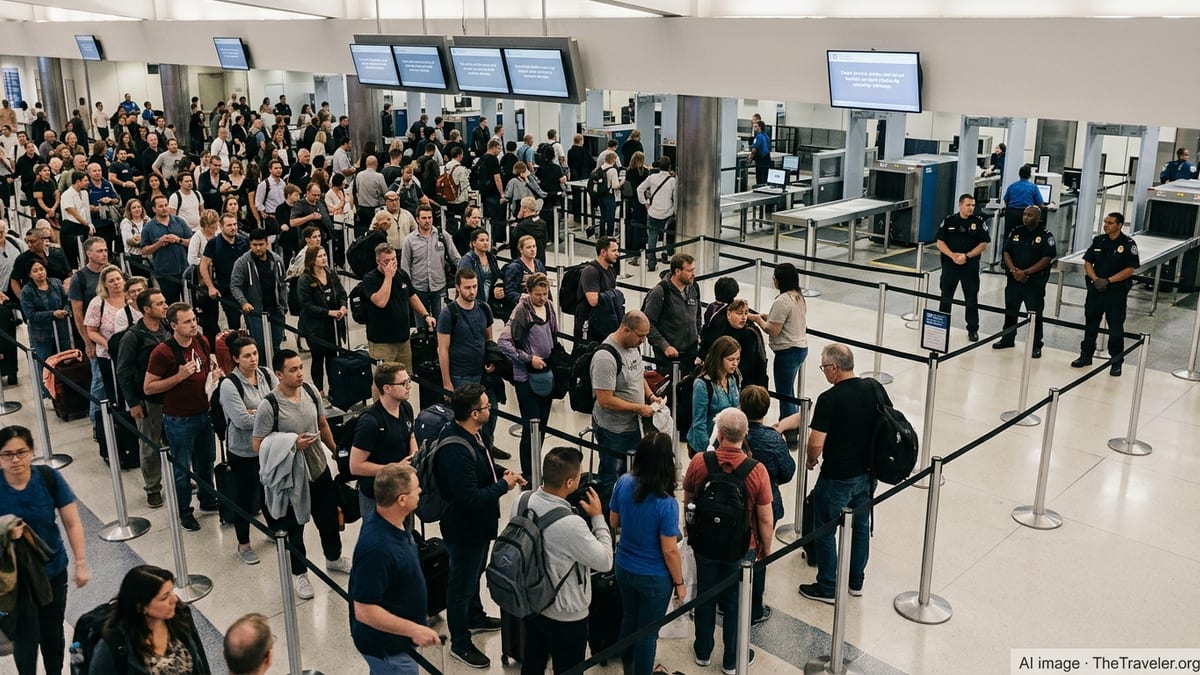
For many affected passengers, the immediate challenge was securing alternative travel arrangements. Public reports and social media posts from travelers suggested scenes of long queues at service desks and crowded departure halls as people attempted to rebook flights, claim compensation where applicable, or secure overnight accommodation.
Consumer advocates in Romania and across the European Union have repeatedly emphasized that clear, timely communication is essential when flights are canceled. In practice, however, travelers often report receiving fragmented information from different apps, airport screens, and airline notifications, which can leave them uncertain about their rights and options.
Travel industry analysts point out that while European air passenger regulations can offer compensation or rerouting assistance in many circumstances, applying those rules becomes more complex when disruptions stem from events in multiple jurisdictions, such as industrial action at a foreign hub or security related airspace restrictions.
With the summer travel season gathering pace, the cluster of cancellations at Bucharest Henri Coandă this week serves as a reminder that even relatively modest operational shocks can have disproportionate impacts on passengers. Frequent flyers and travel planners increasingly recommend building more generous connection buffers, maintaining flexible tickets where possible, and checking flight status repeatedly on the day of travel to mitigate the risk of being caught out by sudden schedule changes.